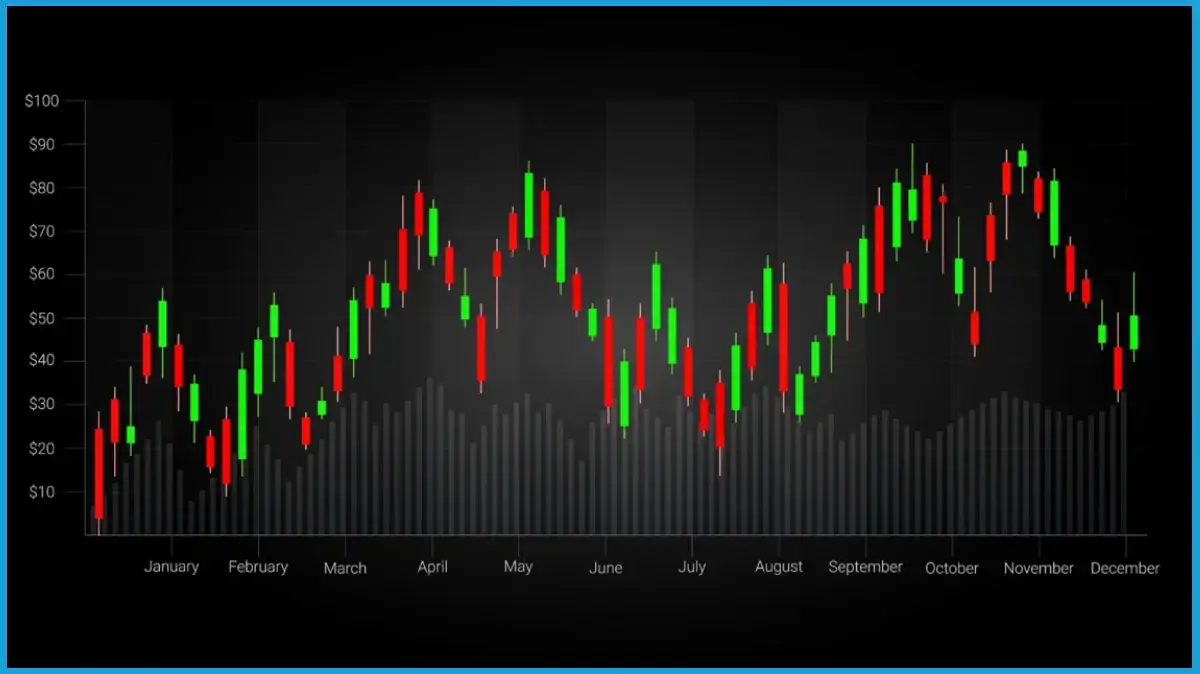
Social trading on a forex platform changes how people take part in the currency market. It connects traders so they can share ideas, view real results, and follow proven strategies instead of working alone. This approach blends market access with a social network built around real trades.
Social trading on a forex platform lets traders learn from experts, copy their trades, save time on research, and manage risk with insight from a wider community. As a result, traders gain support, guidance, and practical tools that can shape smarter decisions in the forex market.
Access to expert trading strategies from experienced forex traders
Social trading platforms give users direct access to strategies built by experienced forex traders. Instead of trading based on guesswork, they can review real performance data and past results before copying a strategy. When combined with secure trading at Taurex or at other platforms such as Trading View and Eithcap, this gives users a better way to follow traders who work across major, minor, and exotic currency pairs. It also helps them see how experienced traders react to market shifts, manage risk, and choose entry and exit points.
In addition, many platforms show metrics such as drawdown, win rate, and trade history. As a result, users can compare different traders and choose those whose style fits their own risk level. This setup helps less experienced traders learn through real market activity. Over time, they can build a stronger understanding of strategy, position sizing, and discipline while still staying in control of their own accounts.
Ability to automatically copy trades of successful market participants
Social trading platforms let users copy the trades of skilled market participants in real time. The system links the follower’s account to a chosen trader. As a result, each buy or sell order appears automatically in the follower’s account.
This feature helps new traders take part in the forex market without deep technical knowledge. They do not need to study charts for hours or place each trade by hand. Instead, they select a trader based on past results, risk level, and strategy style.
In addition, most platforms allow users to control how much money they allocate to a copied strategy. They can stop copying at any time. Therefore, they keep control over their funds while still using another trader’s experience.
However, past performance does not guarantee future results. A copied strategy can still lead to losses, so users must review risk levels before they commit funds.
Reduced time and effort spent on market analysis and charting
Social trading reduces the need for deep market research. Instead of studying charts for hours, traders can review the positions and strategies that experienced participants share on the platform. This saves time and lowers the workload tied to technical analysis.
Many forex platforms include built‑in charts, indicators, and data tools. However, social trading shifts the focus from manual study to observation and selection. A trader can view past performance, risk levels, and trade history before deciding to copy a strategy.
As a result, traders spend less time on price charts and pattern review. They rely on clear performance metrics and real trade records. This approach suits people who lack advanced chart skills or who have limited time each day.
Therefore, social trading allows faster decision‑making. It streamlines the process and reduces the effort tied to constant market review.
Enhanced learning through community discussion and shared insights
Social forex platforms create a space for traders to discuss market moves in real time. Members post trade ideas, chart views, and risk plans for others to review. As a result, each person gains access to perspectives that go beyond his or her own research.
Active discussion helps traders test ideas before they place a trade. For example, one member may question a stop loss level, while another may point out news that could affect price. Therefore, traders refine plans with input from the group.
Community debate also builds trust and accountability. Traders who share results and explain their logic tend to act with more discipline. In addition, new traders can learn faster as they observe how experienced members think and manage risk.
Improved risk management by observing diverse trading styles
Social trading allows traders to watch how others handle risk in real time. They can see how different styles use stop-loss orders, position size, and profit targets. This direct view helps them understand how risk control works in practice.
For example, a short-term trader may set tight stop levels and small position sizes. In contrast, a long-term trader may accept wider price swings but limit total exposure. By comparing these approaches, traders learn how strategy affects risk and reward.
In addition, social platforms often display past performance and drawdowns. This data shows how much loss a strategy faced before it recovered. As a result, traders gain a clearer sense of risk tolerance and capital protection.
They can then adjust their own plans with more care. Instead of guesswork, they base decisions on real examples from multiple styles.
If you are struggling to keep your risk in check, this comprehensive guide on forex risk management provides the roadmap you need to trade with confidence. By the end of this chapter, you will gain mastery over right-sizing your leverage, pinpointing strategic stop-loss and take-profit levels, and constructing a robust trade plan that removes the guesswork. Most importantly, you will learn how to recognize those critical moments when the best move is to step away from the market entirely to protect your capital and maintain discipline.
Conclusion
Social trading on a forex platform gives traders access to shared knowledge, real trade data, and clear performance records. As a result, they can learn faster, copy proven strategies, and make informed choices based on real results.
It also builds a sense of community, where traders observe others, compare risk levels, and adjust their own plans with greater confidence. Transparency, accessibility, and shared insight stand out as the main benefits.
By combining market access with social features, social trading creates a practical path for both new and experienced traders who want structured guidance and direct market exposure.