I see it every single swing. Blokes rolling off a 12-hour shift pulling in more cash in a week than most people see in a month.
But here is the brutal truth. Making a serious bank on the tools doesn't make you wealthy. It just makes you a high earner with expensive toys.
Last month, I had a 28-year-old sparky sit in my office sweating because his project temporarily shut down and he couldn't cover the finance payments on his massive new boat. It's an absolute joke. If you are breaking your back in the dirt and heat for a top-tier paycheck, you need to actually keep some of it before the work dries up. Stop blowing your site allowance on depreciating rubbish. Let's look at how you actually build assets that pay you to sleep.
The Big Paycheck Trap
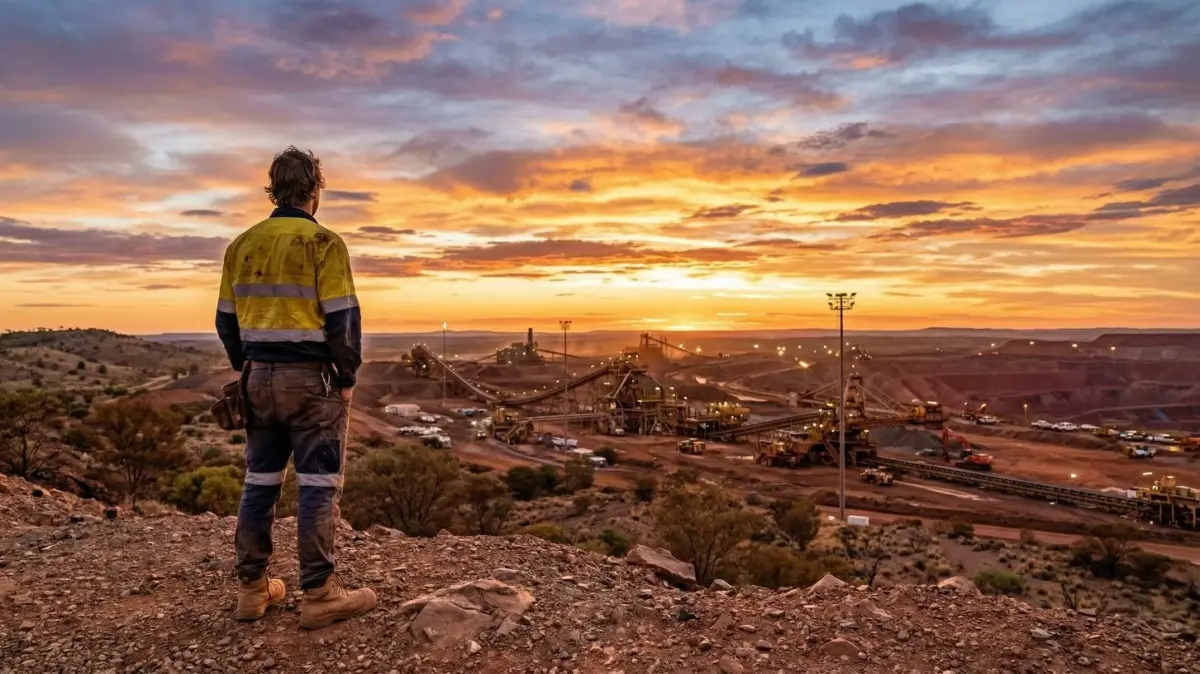
You pull in 180 grand a year on a Western Australia mine site. You work hard for it. Two weeks on and one week off. Dirt, heat, exhaustion. Then you fly back to Perth or Brisbane and the money burns a hole in your pocket.
High income isn't wealth. It's just cash flow. If you don't turn that cash flow into actual assets, you'll keep working on site until your back finally gives out. I see young guys make serious money and blow it all on lifestyle upgrades because they think the mining boom will last forever. It never does. You need a strategy to capture that money before it vanishes.
While your industry is unique, the core principles of wealth intelligence are universal. For a practical example of these principles in action, read our report on how a millennial escaped the paycheck to paycheck trap and built financial stability through disciplined asset management.
Boost Your Skills First
Your best asset right now is your personal earning capacity. Before we even talk about buying shares or property, we need to talk about keeping your income high.
If you want to stay off the heavy physical tools eventually, you need specialisation. A bloke came to me last year after finishing his certificate 4 in instrumentation to upskill. His base rate jumped thirty percent almost overnight. That extra money didn't go straight to the local pub. We funnelled every single cent of that pay raise directly into his investment portfolio.
Investing in your own trade skills costs time and money upfront. But it bumps you into a permanent pay bracket where you can actually start building serious capital instead of just surviving the lifestyle inflation treadmill. To see how these specialized trade roles compare to the world's elite career paths, check our definitive report on the highest-paying jobs globally in 2026 to plan your next career move.
Max Out Your Super

People hate hearing about superannuation. It feels boring. You can't touch the money until you hit preservation age.
Who cares? Super is the most tax-effective environment in Australia.
When you earn over 135 grand, the ATO takes a massive chunk of your hard-earned pay. The government taxes every dollar you put into your Super via concessional contributions at just 15 percent. That's a guaranteed immediate return compared to paying your top marginal tax rate.
Let's look at the raw numbers. Maxing out your 30,000 dollar concessional cap every single year from age thirty to fifty will realistically add over half a million dollars to your retirement balance through compound interest alone. Stop trying to find the next big penny stock. Just pay yourself first through your super fund.
Stop Financing Utes
I see this massive mistake every single day. A young tradie gets a bump in pay and immediately signs a five-year loan on an eighty-thousand-dollar vehicle.
Vehicles lose money. Period.
If you need a reliable work car for getting around the site, buy a used Hilux with cash. Take the monthly payment you would've given the bank and buy an index fund instead. The Australian share market consistently yields solid fully franked dividends. An ETF tracking the ASX 200 actually pays you cash to own it.
A financed car charges you thousands of dollars in interest just to look cool at the traffic lights. Which one sounds like a better deal? Making the distinction between productive leverage and financial traps is essential for wealth building, learn the fundamentals in our guide to understanding good and bad debt before you visit the dealership.
Be Smart With Property
Australians obsess over property. We incorrectly think buying a basic four-bedroom house in the outer suburbs is a guaranteed ticket to becoming a millionaire.
It simply isn't.
If you want to buy an investment property, you must evaluate the actual yield. You've got to calculate the holding costs. Factor in council rates, landlord insurance, and the inevitable broken hot water system that requires an emergency plumber on a Sunday.
Negative gearing serves as a useful tax strategy for high-income earners. But it's not a magic wand that turns a bad investment into a good one. Don't buy a total dud of a house just to get a tax break from the ATO. Buy a quality asset that will appreciate in value over time. Then use an offset account against your primary mortgage to crush your non-deductible debt.
Get Income Protection

You need income protection insurance. I can't stress this enough.
If you snap your femur on site tomorrow, your income drops to zero instantly. Dealing with WorkCover is an absolute nightmare that takes months to resolve. Most blue-collar workers carry massive mortgages and car loans. If the paychecks stop hitting the account, the entire house of cards collapses within four weeks.
Get a solid income protection policy structured properly inside your superannuation fund. It protects your family and keeps the banks off your back while you recover. Don't skip this step just to save fifty bucks a month.
Ignore Site Gossip
This is the final hurdle for most highly paid tradies. The mess room on a project site is the absolute worst place to get financial advice.
Your mate Dave who bought a random crypto coin that went up three hundred percent last year isn't a wealth expert. He just got lucky gambling. You need someone who actually understands how to structure wealth for the long haul.
Look for a real professional who holds a financial planner certificate and operates under a strict Australian Financial Services Licence. Pay real money for good independent advice. A competent advisor evaluates your income, your tax bracket, and your long-term goals. They build a system that makes your money work hard while you're asleep.
The Bottom Line
You're making fantastic money right now. Don't waste the opportunity.
Your body won't let you do the heavy lifting forever. Take a hard look at your bank accounts today. Start buying productive assets. Make your money do the sweating for you so you can finally step off the tools on your own terms.