Wealth concentration in North Sudan remains a powerful driver of economic activity, political influence, and social transformation.
Though the country continues to face complex challenges such as political transitions and economic instability; the private sector, especially in telecommunications, agriculture, logistics, and infrastructure, is home to individuals who have built significant fortunes.
While North Sudan doesn’t boast a large billionaire class like global powers, a handful of ultra-high-net-worth individuals wield significant influence over the national economy.
These individuals often maintain diversified portfolios across agriculture, trading, manufacturing, and telecom sectors. According to the latest available data from Forbes and regional financial reports, North Sudan has one officially recognized billionaire—Mo Ibrahim—who tops the list with a net worth of $1.4 billion.
This article profiles the ten wealthiest people in North Sudan in 2026, showcasing how they built their wealth, what sectors they dominate, and how they influence the economic fabric of the nation.
Let their stories be a motivation for you to pursue financial literacy and wealth creation in an effort to attaining financial freedom.
Also read: Top 10 richest people in South Sudan in 2026.
Key Takeaways
- Mo Ibrahim remains the richest person in North Sudan in 2026, with an estimated net worth of $1.4 billion from telecommunications and philanthropy.
- Agriculture and trading dominate the wealth sources among North Sudan’s richest individuals.
- Several individuals on the list—such as Mohamed "Hemedti" Dagalo and Malik Agar—have wealth linked to military or political influence rather than traditional business sectors.
- Osama Daoud Abdellatif, CEO of the DAL Group, is the second richest, representing the most diversified business empire in the country.
- Most fortunes are privately held, with limited publicly available data, making net worth estimates partly speculative.
The 10 Richest People in North Sudan in 2026
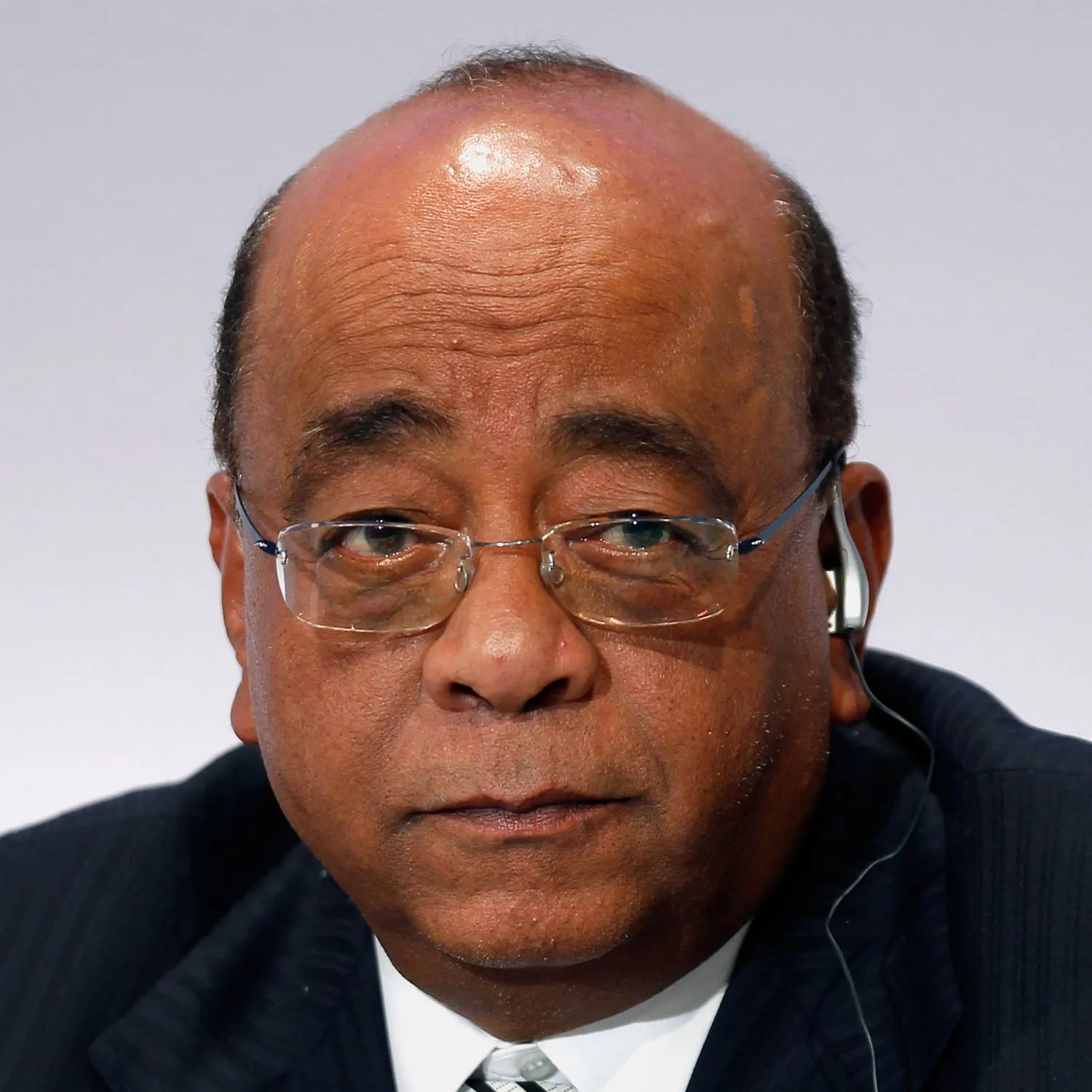
1. Mo Ibrahim
- Age: 78
- Residence: London, UK (North Sudanese origin)
- Source of Wealth / Title: Founder, Celtel
- Net Worth: $1.4 billion
Major Holdings: Proceeds from Celtel sale, investments via Satya Capital, extensive philanthropic endowment
Mo Ibrahim is a telecommunications magnate, philanthropist, and outspoken advocate for good governance in Africa. Born in Sudan in 1946, he studied electrical engineering in Alexandria and later obtained a PhD in mobile communications from the University of Birmingham.
In 1998, Ibrahim founded Celtel, one of Africa’s first mobile phone companies, which he sold in 2005 for $3.4 billion.
Post-exit, Ibrahim launched the Mo Ibrahim Foundation, which champions democratic leadership and transparency in Africa. He also founded Satya Capital, a private investment firm focused on Africa.
Although he resides in the UK, his Sudanese heritage and continued influence in North Sudanese affairs place him firmly at the top of this list.
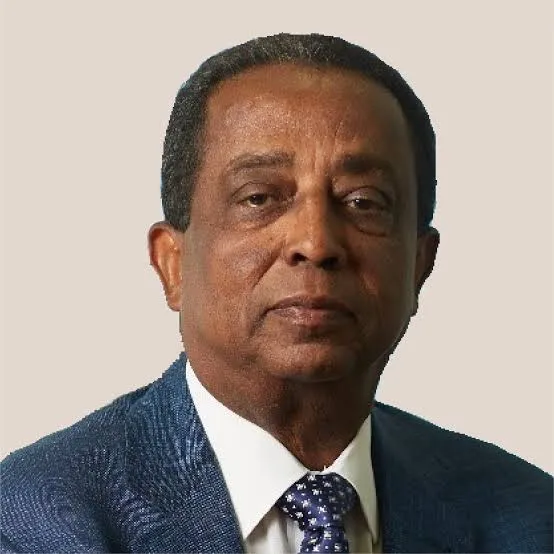
2. Osama Daoud Abdellatif
- Age: 61
- Residence: Khartoum, Sudan
- Source of Wealth / Title: Chairman, DAL Group
- Net Worth: $840 million
Major Holdings: DAL Group, trading companies, agriculture, automotive franchises
Osama Daoud is the chairman of DAL Group, Sudan’s largest and most diversified conglomerate. The group operates across food production, engineering, automotive, and retail. Brands under DAL include Coca-Cola bottling, Sayga flour, and Caterpillar machinery distribution.
Daoud took over the family business and transformed it into a dominant force in Sudanese commerce. His influence stretches into logistics, dairy production, and real estate.
Known for maintaining a low profile, he is also involved in initiatives promoting education and sustainable agriculture in Sudan.
3. Amin El-Nefeidi
- Age: 65
- Residence: Khartoum, Sudan
- Source of Wealth / Title: Head of El-Nefeidi Group
- Net Worth: $400 million
- Major Holdings: El-Nefeidi Group (transport, petroleum, logistics)
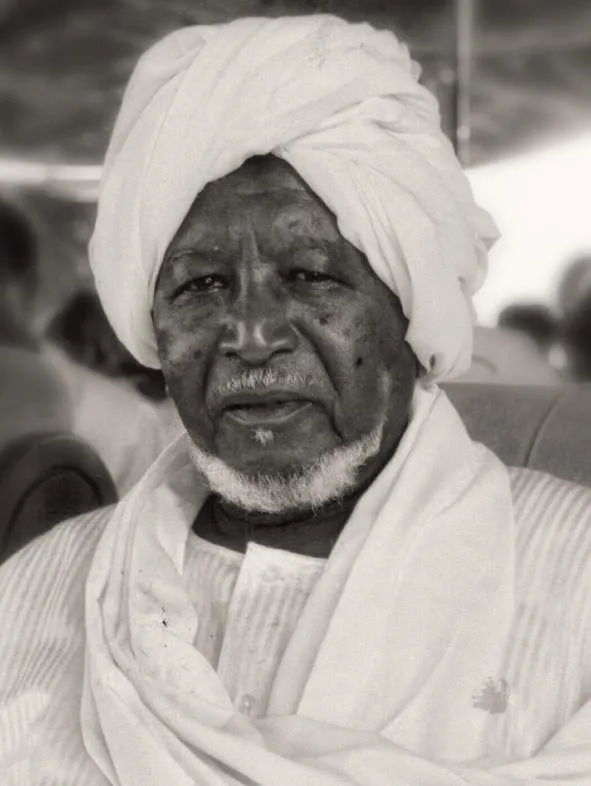
Amin El-Nefeidi leads the El-Nefeidi Group, a business empire with strong roots in logistics, petroleum services, and transportation. The group owns major stakes in commercial trucking and fuel distribution across North Sudan and neighboring countries.
El-Nefeidi’s rise came during the oil boom, where his group capitalized on infrastructure contracts and import-export business.
While the group has diversified into agriculture and banking, its dominance in logistics remains its core strength. He is part of the old guard of Sudanese industrialists, with family ties extending back to the mid-20th century.
4. Ahmed Abdellatif
- Age: 50
- Residence: Khartoum, Sudan
- Source of Wealth / Title: Executive, Sayga Investment Company
- Net Worth: $200 million
- Major Holdings: Stake in DAL Group subsidiaries, real estate, agriculture
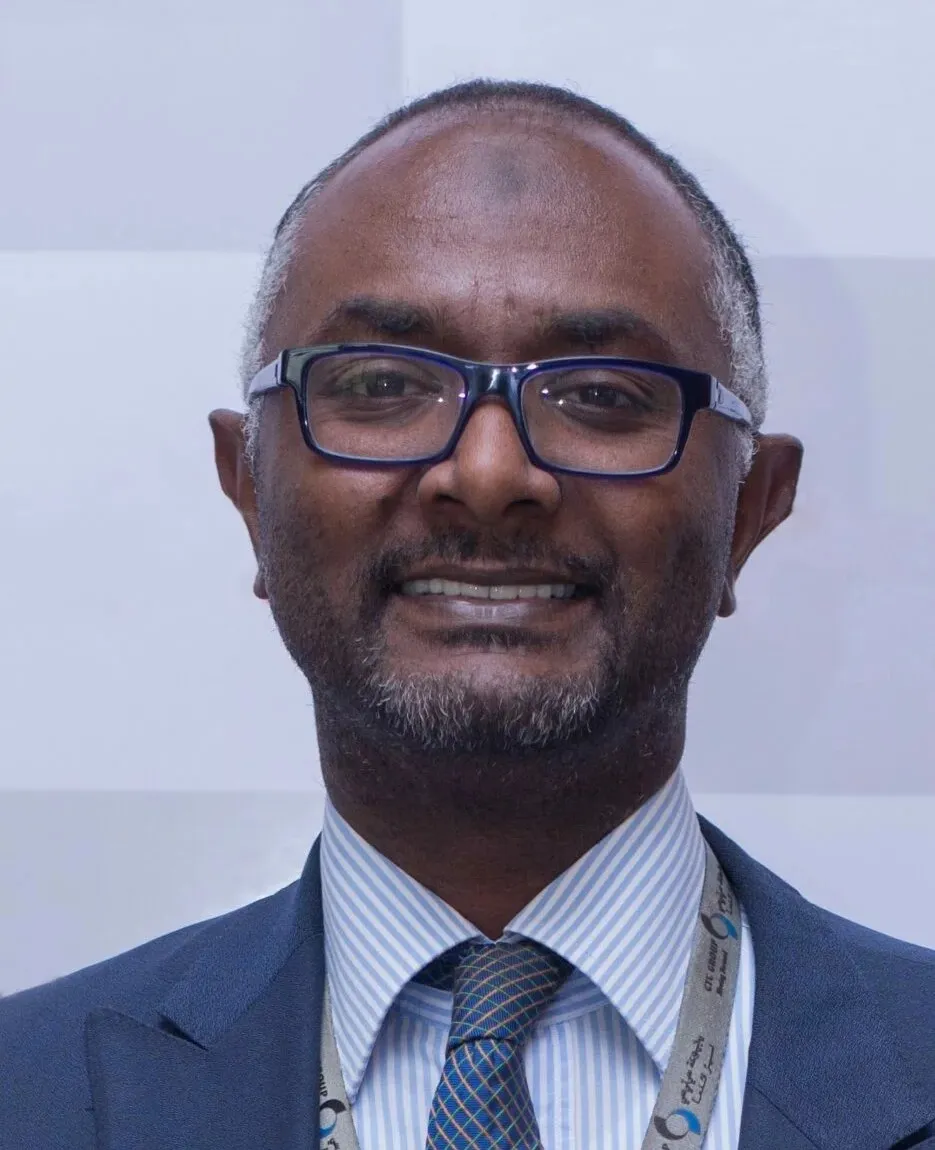
Ahmed Abdellatif is a senior executive within DAL Group and oversees Sayga Investment Company, a key player in Sudan’s food security sector. Under his leadership, Sayga has expanded its operations in milling, grain storage, and packaged foods.
Educated abroad, Ahmed is known for his technocratic management style and has driven innovation in supply chain systems within the agriculture industry.
Though not as publicly visible as Osama Daoud, his financial stake and operational role make him one of the wealthiest individuals in the country.
5. Salih Abdelrahman Yagoub
- Age: 70
- Residence: Khartoum, Sudan
- Source of Wealth / Title: Trader, industrialist
- Net Worth: $100 million
- Major Holdings: Yagoub Group (trading, agriculture, real estate)
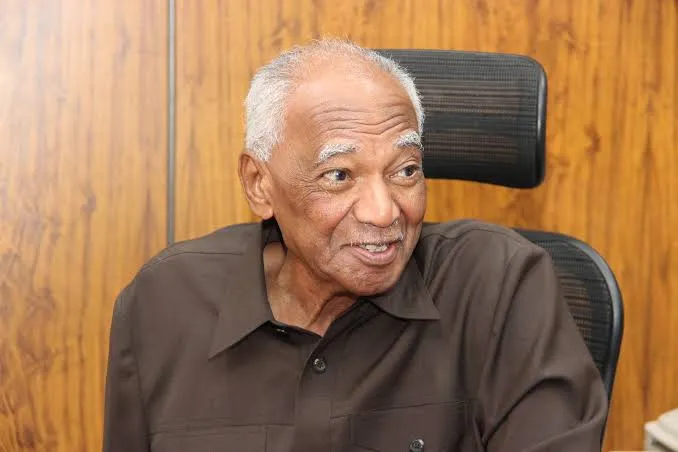
Salih Yagoub built his fortune through regional trading and agriculture. His firm, Yagoub Group, specializes in commodities, particularly gum arabic, sesame, and livestock—Sudan’s top exports.
Yagoub played a significant role in integrating traditional Sudanese trade with modern financial systems. Though partially retired, he remains a major stakeholder in real estate and farming cooperatives.
His wealth is grounded in decades of cross-border trade and agricultural expansion.
6. Mohamed "Hemedti" Dagalo
- Age: 49
- Residence: Khartoum, Sudan
- Source of Wealth / Title: Former Deputy Head of Sovereign Council, Commander of RSF
- Net Worth: Unknown (Estimated hundreds of millions)
- Major Holdings: Alleged control of gold mines, military-linked businesses
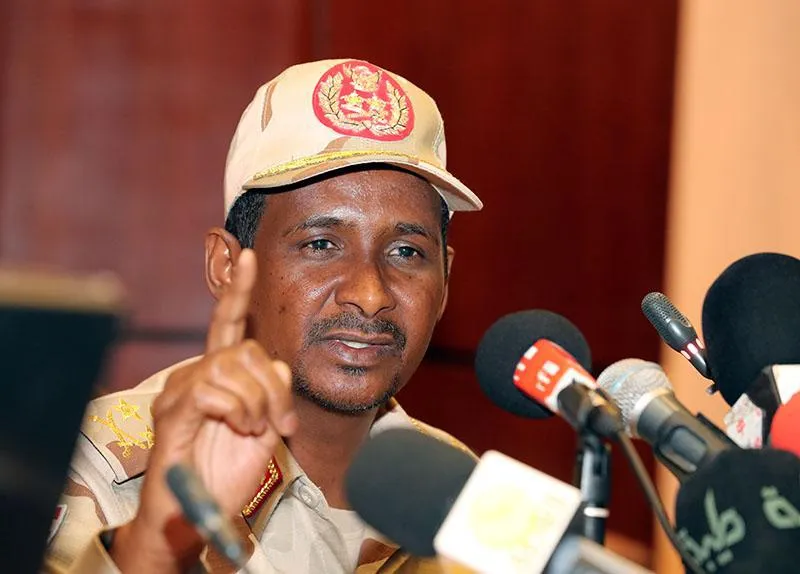
Hemedti rose from a camel trader to a paramilitary leader and one of the most powerful men in North Sudan. He commanded the Rapid Support Forces (RSF) and reportedly controls some of the country's most lucrative gold mines in Darfur.
His wealth is deeply tied to military and political influence, with opaque business structures. International reports, including the Global Witness investigation, suggest his family businesses dominate gold exports and military procurement, though official numbers remain unverified.
7. Malik Agar
- Age: 67
- Residence: Blue Nile State, Sudan
- Source of Wealth / Title: Political leader, businessman
- Net Worth: Unknown
- Major Holdings: Agricultural land, political contracts
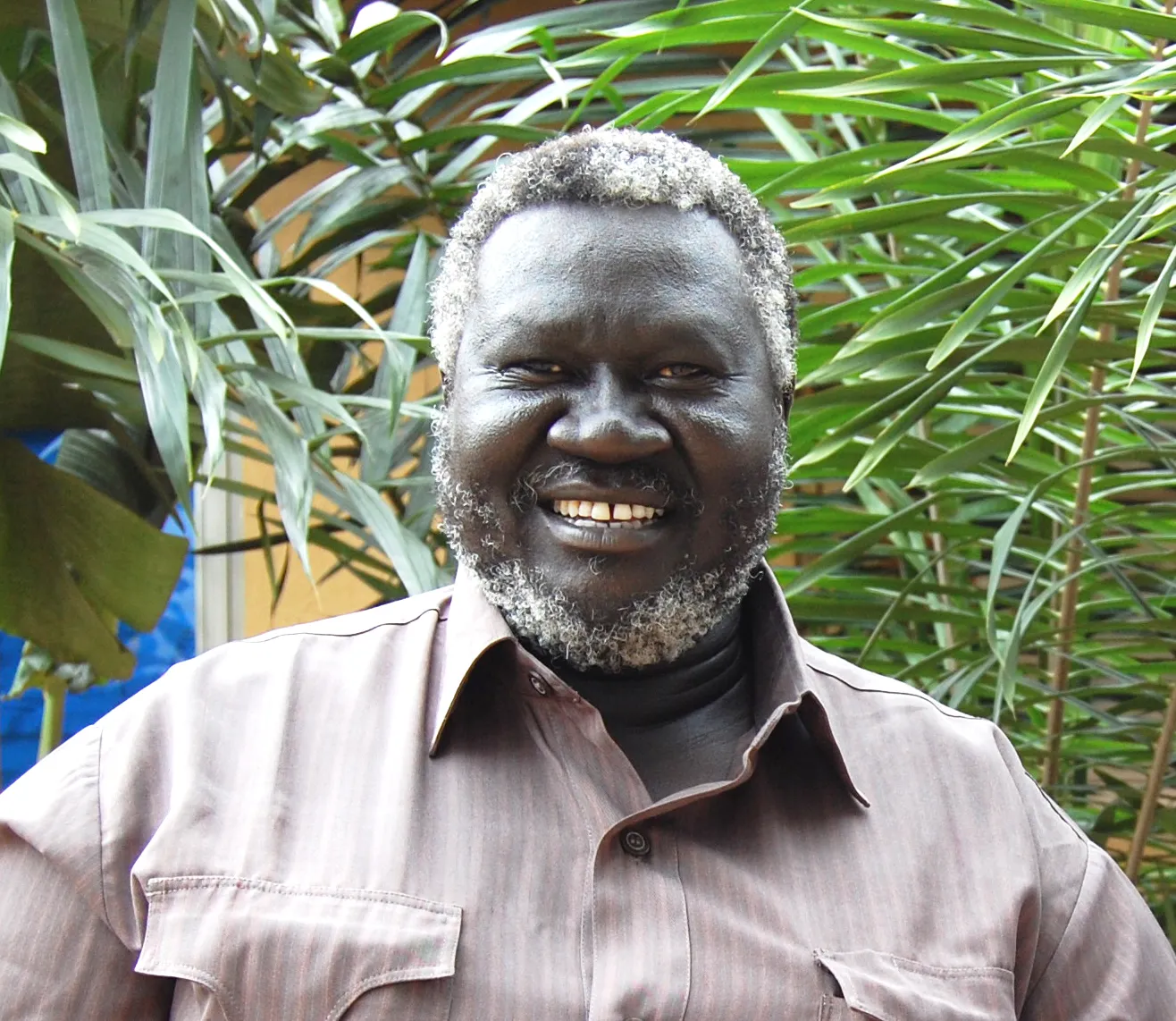
Malik Agar is a former rebel leader turned politician. As a prominent figure in the Sudan People's Liberation Movement-North (SPLM-N), his wealth is reportedly derived from agricultural holdings and political influence in Blue Nile State.
Though not traditionally wealthy in terms of business, Agar wields substantial control over resources and infrastructure in southeastern Sudan.
His financial assets are hard to quantify, but his influence in regional trade and land ownership places him among the richest.
8. Aboela Family
- Residence: Khartoum, Sudan
- Source of Wealth / Title: Family conglomerate
- Net Worth: Unknown
- Major Holdings: Construction, manufacturing, real estate
The Aboela family has been instrumental in Sudan’s infrastructure sector for decades. With holdings in cement, construction, and residential development, they have built roads, bridges, and housing complexes across Sudan.
While no single individual is the face of the family business, the collective value of their assets places them among the nation’s wealthiest. Most of their business operations are privately held and limited in public disclosure.
9. Abdelrahman al-Bakri
- Age: 63
- Residence: Khartoum, Sudan
- Source of Wealth / Title: Industrialist, investor
- Net Worth: Unknown
- Major Holdings: Manufacturing, export firms
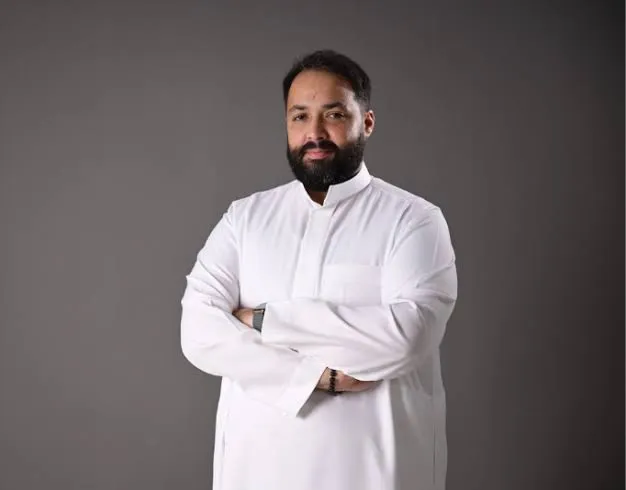
Al-Bakri is known for investing in manufacturing plants and export-oriented businesses. He played a role in developing regional factories for textiles, plastics, and small-scale machinery.
Though little is known about his exact net worth, his business footprint is significant in Sudan’s manufacturing sector.
10. Bashir El-Nefeidi (Historical Figure)
- Age: Deceased (would be 80+)
- Residence: Khartoum (formerly)
- Source of Wealth / Title: Founder, El-Nefeidi Group
- Net Worth: Unknown (Historical)
- Major Holdings: Petroleum, logistics
The late Bashir El-Nefeidi was the original founder of what would become the El-Nefeidi Group, now led by Amin El-Nefeidi. He laid the foundation for modern logistics and fuel transport in Sudan.
While he is no longer alive, his role in establishing one of the country’s wealthiest dynasties earns him a spot for historical recognition.
Who is the Richest Person in North Sudan?
Mo Ibrahim is the richest person in North Sudan in 2026, with an estimated net worth of $1.4 billion. His wealth originates from the telecommunications company Celtel, which he sold in 2005.
He is also an internationally recognized philanthropist and investor in African development.
Who is the Richest Woman in North Sudan?
As of 2026, no individual woman is publicly recognized on Sudan’s richest list with verified net worths. Most top fortunes remain male-dominated, though women in business and politics are steadily gaining prominence.
This may change as more data becomes available and business transparency improves.
Summing Up
The richest individuals in North Sudan often combine entrepreneurial drive with political acumen, navigating a complex environment of opportunity and risk.
While many built their empires in traditional sectors like agriculture and trading, others leveraged telecommunications or military influence.
Their stories reflect both the challenges and the possibilities within Sudan’s evolving economic landscape, reminding us that even in volatile regions, innovation, vision, and resilience can build transformative fortunes.