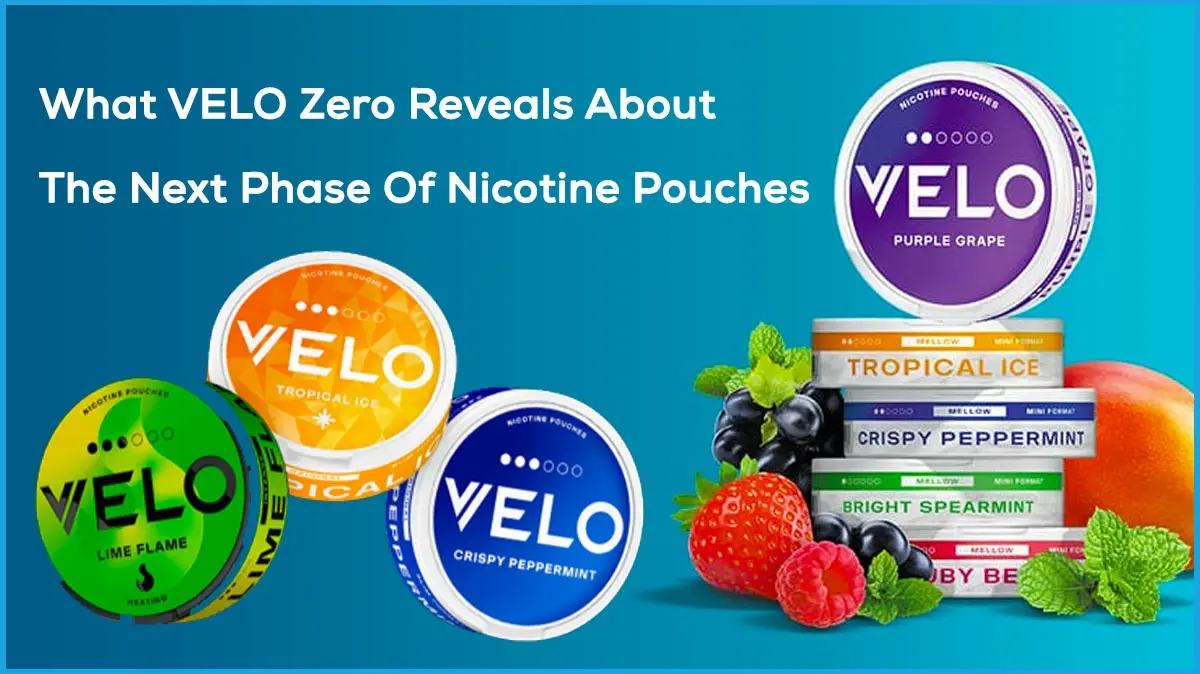
A few years ago, nicotine pouches were a niche product aimed mainly at former smokers. Today, a new subcategory is emerging that quietly rewrites the rules. VELO Zero nicotine-free pouches sit in that space, and their rise says a lot about how consumers think, how brands price, and where growth might come from in this fast-evolving market.
Understanding VELO Zero Nicotine Free
VELO Zero is a line of nicotine-free pouches that keeps the familiar format people already know from traditional pouches but removes the active ingredient. Instead, the focus is on flavor, mouthfeel, and routine.
They are typically sold in small, discreet cans, with multiple flavor varieties and varying levels of taste rather than nicotine strength.
Retailers such as Gigasnus have leaned into this trend, offering VELO Zero pouches alongside the wider VELO portfolio as a distinct product category rather than just another variant.
Who Actually Uses VELO Zero
The interesting part, from a market perspective, is who buys VELO Zero nicotine-free products. It is not a single audience. Some buyers are long-time pouch users who like the ritual and flavor but want more flexibility across their day.
Others are new to the category entirely, drawn by the format but not seeking a nicotine effect. A third segment seems to be “blend” users who mix can types in their weekly spend, picking up both classic pouches and nicotine-free options as part of the same basket.
Also Read: Why your perfume fades fast, and how to make it last longer
For retailers and manufacturers, that blended behavior is valuable because it increases both product depth and average revenue per user without needing to win a completely new customer every time.
Instead of replacing one product with another, consumers layer VELO Zero on top of existing habits, which changes how brands think about assortment and promotion.
What This Signals About Market Direction
The arrival and growth of VELO Zero points toward a maturing pouch market where brands compete less on raw strength and more on experience, branding, and convenience.
Flavor architecture, design, and merchandising are becoming core levers for pricing power. In practice, VELO Zero nicotine-free lines open up more shelf space and more ways to segment customers by taste profile, frequency of purchase, and willingness to pay.
It also widens distribution opportunities. Convenience stores, kiosks, and online platforms can treat nicotine-free pouches as a lifestyle item that sits comfortably next to snacks, energy drinks, and other small treat categories.
For investors, operators, and entrepreneurs watching this sector, the message is clear. The real upside may lie in building ecosystems of products and formats around familiar habits, rather than relying only on the original use case.
VELO Zero is one of the clearest early signals that the pouch business is shifting from a single-function product to a broader consumer lifestyle platform. The brands that understand that shift first are likely to hold the pricing and margin advantages in the years ahead.