
Every Sunday morning, while the rest of television is still warming up, CBS News Sunday Morning quietly draws more than five million viewers. This makes the show the most-watched Sunday morning news program in America for 23 consecutive years.
It does not shout. It does not chase viral moments. It tells stories the long way, with the kind of patience that the rest of the news cycle has entirely abandoned.
But behind the unhurried pace and the signature nature segment that closes every broadcast, there is a financially sophisticated team doing something remarkable: building multi-million dollar wealth portfolios not despite working in journalism, but directly because of it.
Book empires, podcast ecosystems, comic strip IP worth tens of millions, donated nature preserves, and keynote speaking fees that rival Wall Street consultants. This is what Intellectual Wealth looks like when it compounds over decades.
In 2026, CBS Sunday Morning is one of the most financially resilient programs in all of broadcast television, shielded by a 50% Sunday audience share that commands premium advertising rates and protects its talent from the contract renegotiations and budget pressures reshaping the rest of CBS News.
While anchors like Gayle King navigate salary scrutiny and weekday ratings battles, the Sunday Morning team operates in an entirely different economic atmosphere.
Here is the full breakdown from the anchor chair to the correspondent desk of who earns what, and how they built it.
Methodology Note: Fineducke's wealth rankings are compiled from 2026 media contract reports, public real estate filings, publishing industry data, and industry earnings benchmarks. All figures are estimates unless otherwise noted. Fineducke.com does not guarantee the accuracy of third-party financial data.
CBS Sunday Morning Cast Wealth at a Glance (2026)
|
Rank |
Name |
Tenure |
2026
Primary Asset |
Estimated
Net Worth |
|
1 |
Jane
Pauley |
50+
years |
Doonesbury
IP / NY real estate |
$40
million+ |
|
2 |
David
Pogue |
20+
years |
Missing
Manual royalties / keynotes |
$10M
– $15 million |
|
3 |
Martha
Teichner |
45+
years |
Book
royalties / Teichner Preserve |
$3M
– $6 million |
|
4 |
Mo
Rocca |
15+
years |
Mobituaries
podcast / Jeopardy winnings |
$2M
– $5 million |
|
5 |
Lee
Cowan |
15+
years |
Prestige
correspondent contract |
$2M
– $4 million |
|
6 |
Tracy
Smith |
15+
years |
Prestige
correspondent contract |
$2M
– $4 million |
Jane Pauley: The Institutional Anchor
- Role: Host, CBS News Sunday Morning
- 2026 Salary: High seven figures (estimated)
- Net Worth: $40 million+

Jane Pauley is the wealthiest member of the Sunday Morning team by a significant distance. The most interesting thing about her wealth is how much of it has nothing to do with her CBS salary.
As the successor to Charles Osgood following his 22-year tenure, Pauley has anchored Sunday Morning with the kind of unhurried authority the show is built around. Her contract, aligned with the Paramount One prestige strategy that actively shields the Sunday Morning brand from the budget pressures affecting the rest of CBS News, is estimated to sit in the high seven-figure range comparable to the benchmarks set by flagship anchors across the network.
But the real story behind her $40 million-plus net worth is the intellectual property empire she shares with her husband, Doonesbury creator Garry Trudeau. Over five decades, Doonesbury has evolved from a daily comic strip into one of the most valuable IP portfolios in American media.
Original daily strips from the 1970s have sold at auction for as much as $25,000 each, while the archive of sketches, signed prints, and original artwork generates a continuous secondary market.
A multi-year deal with Starbucks for Doonesbury merchandise benefiting literacy programs raised over $1 million alone. Trudeau also executive produces streaming content including Alpha House for Amazon Studios adding a production revenue layer to what is already a remarkably diversified portfolio.
Their real estate strategy is equally disciplined. The couple sold their Central Park West duplex in 2005 for $13 million, subsequently consolidating into a co-op at 7 Beekman Place and later a top-floor unit at 166 East 61st Street in Lenox Hill, purchased in 2017 for $2.2 million.
In between, they sold a Palisades retreat in 2021 for $6.3 million which more than double the $2.3 million they paid six years earlier.
David Pogue: The Tech-Simplifier
- Role: Technology and Science Correspondent, CBS News Sunday Morning
- 2026 Salary: Estimated $350,000 – $750,000
- Net Worth: $10 million – $15 million
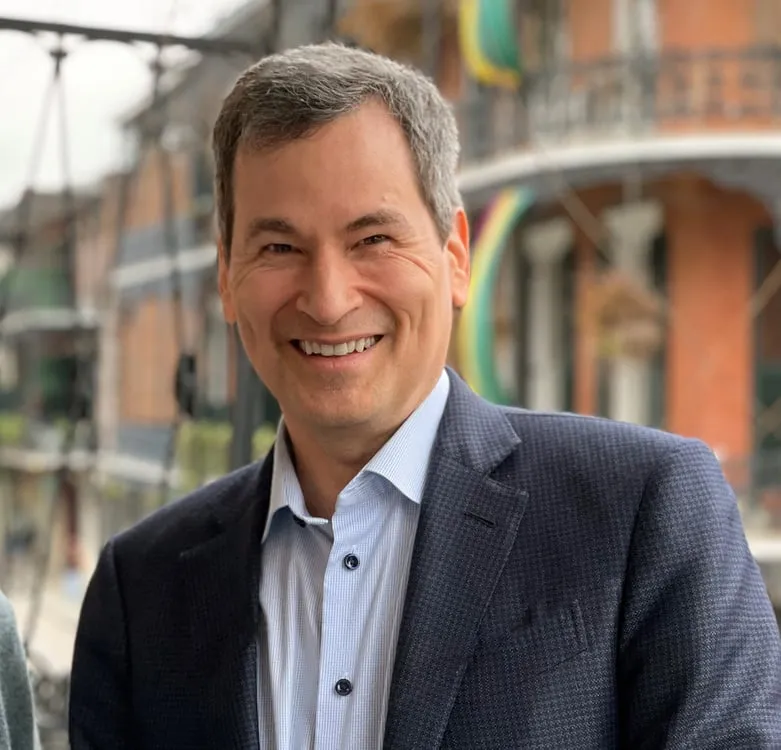
David Pogue has built the most scalable intellectual property operation of any working television correspondent in America. While most journalists trade their time for a salary, Pogue has built a publishing machine that generates income whether or not he is on the air.
The centerpiece is the Missing Manual series: more than 120 titles, over 3 million copies in print, published across platforms for everything from Mac OS and Windows to iPhone and beyond. The financial model is particularly durable because each new software or hardware release generates demand for an updated manual, creating a near-perpetual royalty engine rooted in recurring consumer need rather than a single bestseller spike.
In 2026, Pogue released Apple: The First 50 Years through Simon & Schuster, a premium $50 hardcover that functions simultaneously as a historical record and a high-margin collector's item.
His climate change advocacy book, How to Prepare for Climate Change: A Practical Guide to Surviving the Chaos, has opened a second business vertical entirely, as demand for corporate adaptation expertise has grown significantly.
Pogue commands keynote speaking fees estimated between $30,000 and $50,000 per engagement, where his ability to blend technical depth with humor and musical performance creates a unique offering that few technology communicators can replicate.
His wealth sits in the $10–15 million range. His riches are built almost entirely on intellectual property and expertise monetization rather than real estate or investment portfolios.
In that sense, Pogue represents the purest expression of the "content-as-capital" model: turn what you know into something you own. Journalism is among the highest-paying careers globally when its practitioners build IP alongside their broadcast work and Pogue is the clearest example of exactly that.
Martha Teichner: The Legacy Journalist
- Role: Correspondent, CBS News Sunday Morning
- 2026 Salary: Estimated $350,000 – $750,000
- Net Worth: $3 million – $6 million
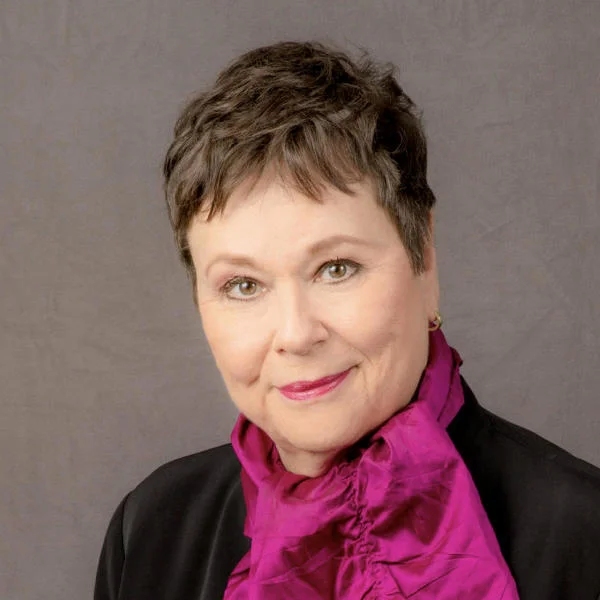
Martha Teichner has been a CBS News Sunday Morning correspondent for 45 years. She is one among the longest-tenured journalists at any American broadcast institution alongside names like Don Alhart (58 years), Maury Povich (60+ years) Mike Wallace (50+ years).
Her financial profile in 2026 reflects something rarer than a big net worth figure: a career that has been converted into lasting legacy, both literary and environmental.
Her memoir When Harry Met Minnie: A True Story of Love and Friendship which chronicles the bond between two women and their Bull Terriers has become a genuine publishing success, achieving sustained sales across hardcover, paperback, large print, and eAudiobook formats.
The Sunday Morning audience, which skews older and gravitates toward high-emotion long-form narrative, proved a natural book-buying demographic. The royalties continue to flow years after publication, adding a steady passive income stream to her correspondent salary.
But the most distinctive element of Teichner's wealth story is not financial at all. It is the Teichner Preserve in Leelanau County, Michigan, donated to the Leelanau Conservancy in 1996.
In 2005, she went a step further, refinancing her New York apartment to contribute $200,000 toward the purchase of additional land adjoining the preserve. The preserved land protecting the natural beauty of Lime Lake represents what the research calls Legacy Wealth: an asset that cannot be valued in a spreadsheet but has shaped her family's environmental standing and catalyzed conservation in Northern Michigan for generations.
Mo Rocca: The Humorist-to-Historian Pipeline
- Role: Correspondent, CBS News Sunday Morning
- 2026 Salary: Estimated $350,000 – $750,000
- Net Worth: $2 million – $5 million

Mo Rocca is the clearest example of what happens when a broadcaster builds an independent intellectual property ecosystem rather than depending entirely on a network contract.
His Mobituaries podcast which excavates the lives of historically underappreciated figures has generated a New York Times bestselling book, a secondary literary venture (Roctogenarians), the 2026 LABF Insight Award at NAB Show, and a distribution deal across Paramount+ and CBS News digital platforms that ensures the content continues to generate revenue long after individual episodes air.
His presence as a regular panelist on NPR's Wait Wait... Don't Tell Me! with 331 total appearances as of early 2026 serves less as a direct income driver and more as a continuous marketing engine for his podcast and books, keeping his name in the ears of a high-engagement public media audience that overlaps almost perfectly with the Sunday Morning demographic.
Rocca also extracted a significant non-recurring capital injection in 2023, when he won $250,000 on Jeopardy! as a celebrity tournament finalist. It is a rare journalist who can add a game show win to their wealth dossier but it is entirely consistent with a career built on the monetization of curiosity.
Lee Cowan: The Field Reporter’s Stability
- Role: Senior Correspondent and Guest Host, CBS News Sunday Morning
- 2026 Salary: Estimated $350,000 – $750,000
- Net Worth: $2 million – $4 million
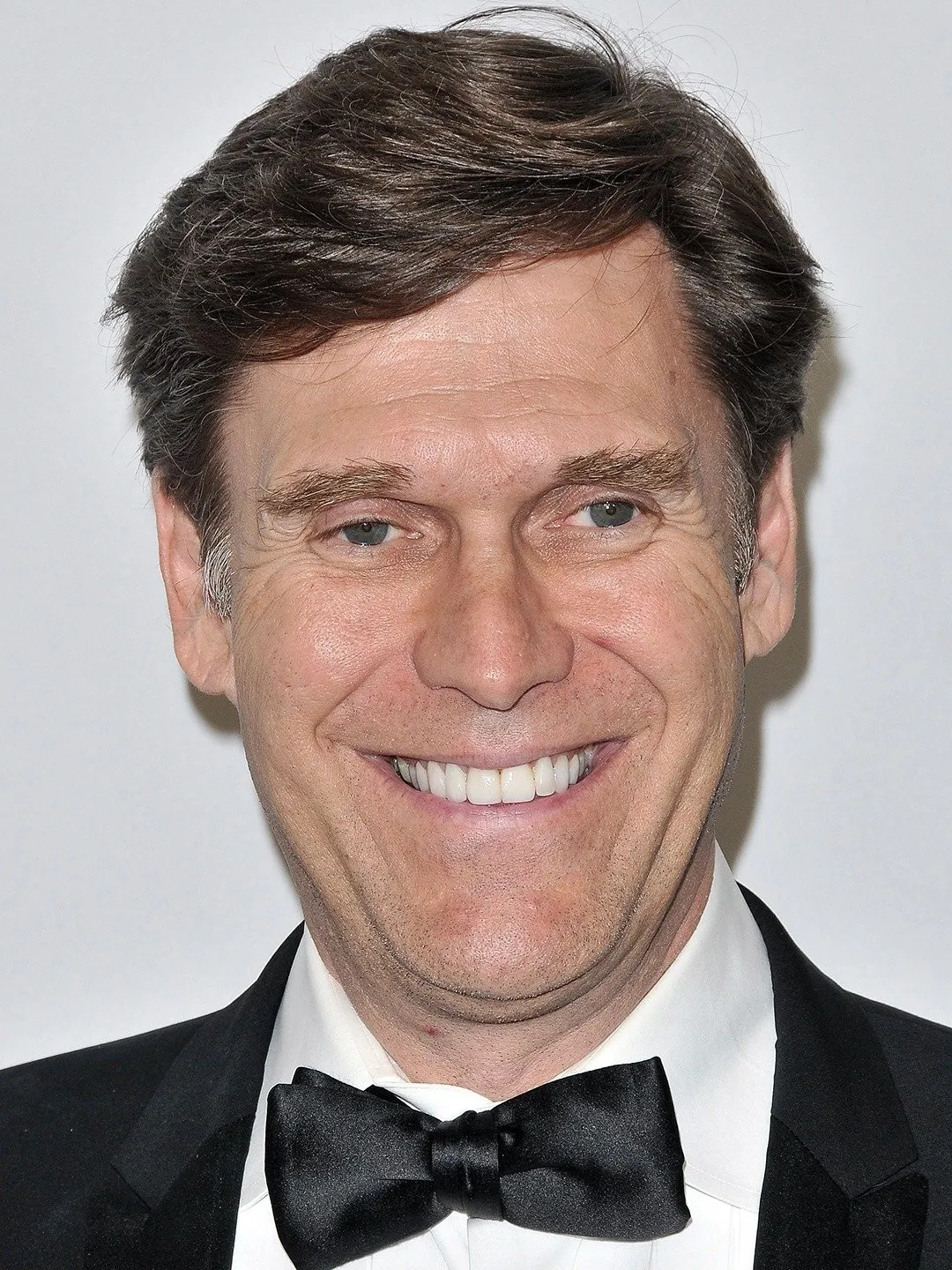
Lee Cowan’s financial profile is built on something less visible than book deals or personal brands, consistency at the highest level of broadcast journalism.
As a long-time correspondent for CBS News Sunday Morning, Cowan has spent over a decade operating in one of the most stable positions in television news, a role that quietly compounds both income and credibility. His work, often centered on human-interest storytelling and field reporting, aligns perfectly with the program’s identity, making him a reliable fixture within a system that rewards longevity.
Before Sunday Morning, Cowan built his foundation across multiple networks, including NBC News and CBS affiliates, a career path that reflects a traditional but highly durable journalism trajectory. That background matters financially, it creates leverage in contract negotiations and ensures continued relevance in a shrinking pool of high-paying correspondent roles.
Like many journalists at this level, Cowan’s wealth strategy leans toward preservation rather than expansion. Maintaining property across major media markets allows him to stay flexible professionally while anchoring his finances in appreciating assets. It is not the most aggressive wealth model in the article, but it is one of the most stable.
Tracy Smith: The Interview Specialist
- Role: Senior Correspondent and Guest Host, CBS News Sunday Morning
- 2026 Salary: Estimated $350,000 – $750,000
- Net Worth: $2 million – $4 million

Tracy Smith’s position within CBS News Sunday Morning is defined less by field reporting and more by high-value, on-camera interviews, a niche that carries its own form of professional leverage.
Over more than 15 years with CBS News, Smith has built a reputation as one of the program’s most trusted interviewers, regularly handling conversations with major cultural figures, actors, and public personalities. That visibility translates into a different kind of career capital, one tied to access, trust, and repeat bookings rather than volume of output.
Her earlier work with CBS’s national platforms, including The Early Show and 48 Hours, established her as a versatile broadcaster, capable of moving between hard news and feature storytelling. That flexibility has kept her anchored within the network even as the broader media landscape has shifted.
Financially, Smith operates within the same “prestige correspondent” framework as her peers, steady salary, long-term contracts, and strategic real estate positioning in key media markets. But her edge lies in specialization. In a format where interviews drive audience engagement, being the person consistently trusted with those conversations becomes its own form of long-term security.
Why Sunday Morning Is a Financial Fortress
To understand what makes the CBS News Sunday Morning wealth story different from every other show in this series, one number matters above all others: 5.2 million viewers.
That figure, the program's average 2026 weekly audience — represents nearly three times the viewership of CBS Mornings on an average weekday. It captures a 46 share of the total Sunday morning audience, making it the dominant program in its time slot by a margin that no competitor has meaningfully threatened in over two decades.
For CBS and Paramount Skydance, that dominance translates directly into premium advertising rates, political spending windfalls in election years, and the kind of institutional brand value that makes the network's "Prestige Strategy" explicitly shield Sunday Morning from the cost-cutting measures reshaping weekday news divisions.
The contrast with sister programs is stark. While CBS Mornings has faced anchor salary renegotiations and rating pressures — a dynamic covered in our full CBS Mornings cast salary breakdown — and 60 Minutes has navigated its own editorial controversies under the Bari Weiss era, explored in the 60 Minutes cast salary and net worth analysis, Sunday Morning has operated in an almost entirely different economic atmosphere.
Its correspondents are not scrambling to justify their salaries against a ratings backdrop — they are building IP empires from a position of institutional security that most journalists never get to experience.
And the Richest Member of CBS Sunday Morning Is…
Jane Pauley, at an estimated $40 million-plus, holds the top position by a distance — though the most important thing about her wealth is that a substantial portion of it is entirely independent of CBS.
The Doonesbury IP empire, the Manhattan real estate consolidation strategy, and the multi-decade accumulation of both broadcast and partnership income have created a financial foundation that would survive the end of any single contract.
David Pogue, at $10–15 million, holds the second position with the most scalable model: 120-plus books, millions of copies in print, and a royalty engine that runs entirely on its own.
The collective lesson from the Sunday Morning desk is one that separates this program from almost every other in broadcast television. Where other shows create salaries, Sunday Morning — through the intellectual ambition of its correspondents — has created legacies.
The camera stops rolling at the end of every broadcast. The books, the podcasts, the preserved land, and the comic strips do not.