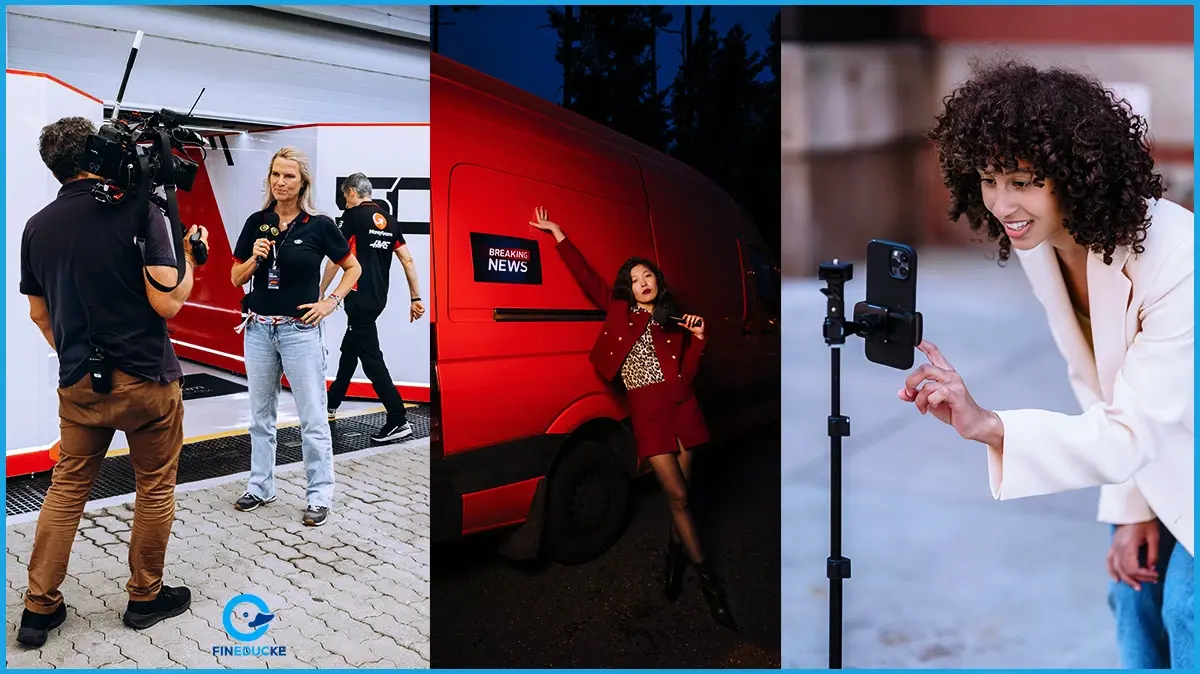
The past five to ten years have seen immense and dramatic shifts within the media industry. For you to become a successful TV presenter, radio host, or influencer, adaptability is the single most important quality you must possess.
There are so many talented people who were very successful in the media industry but there names are already forgotten. In this industry, one year you can be the biggest name everyone talks about and the next year they don't remember you.
Unlike fields like healthcare and agriculture, media is structurally allergic to durability. In many of the world’s highest paying jobs, skill longevity is often rewarded with stability, predictable career growth, and long-term demand. Media works differently.
Once you understand that then you are off to a better start. This article will educate you on how to build a name that is resistant to the ever changing trends in the media industry.
The Attention Has Moved and It Is Not Coming Back
The train of attention has already left the station, and much like in Snowpiercer, it is not slowing down for anyone left behind. People are steadily moving away from traditional media outlets. Print is shrinking fast. Live television is losing ground to on-demand content. Even radio is being overtaken, with podcasts pulling audiences that morning drive shows used to own.
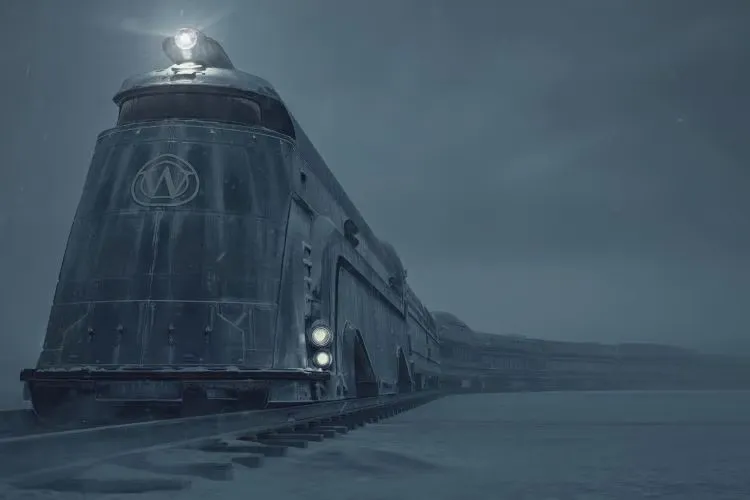
If you are a laggard, it is only a matter of time before you are forgotten. You need to be quick. If you were a TV host, it is time to be creating social media content so you can attract new audiences and retain the ones you already have. In 2026, the audience belongs to personalities and not to media houses as it used to be back in 2010 and previous years.
According to the Reuters Institute Digital News Report 2025, the share of people in Brazil who access news through print dropped from around 50% in 2013 to just 10% today. That is not a gradual decline. That is a collapse. And Brazil is not unique. It is a preview of what is happening everywhere.
Audiences are now spending their time on YouTube, TikTok, Instagram, and podcasts. They are following people, not channels. They are watching creators who talk directly to them in a conversational tone, not presenters reading from a script behind a polished desk.
When someone can get their news, entertainment, and inspiration from a person they feel like they actually know, the traditional media institution loses its grip fast.
Many TV presenters are still reluctant when it comes to social media, fact is, social media is now the main stage for any media personality who wants to have a successful career in 2026 onwards.
Posting a clip from last night's show once a week is not a digital strategy. That is digital tourism. N/B: You can't be a tourist and expect to be treated like a local, if you want to be treated like a local, its time to own a place and practice the local traditions.
In this case, the media personalities who are winning today are the ones who show up consistently, across platforms, with content that was built for those platforms; TikTok, Instagram, Facebook etc. and not just repurposed from somewhere else.
Michael Strahan Understood Something Most People Missed
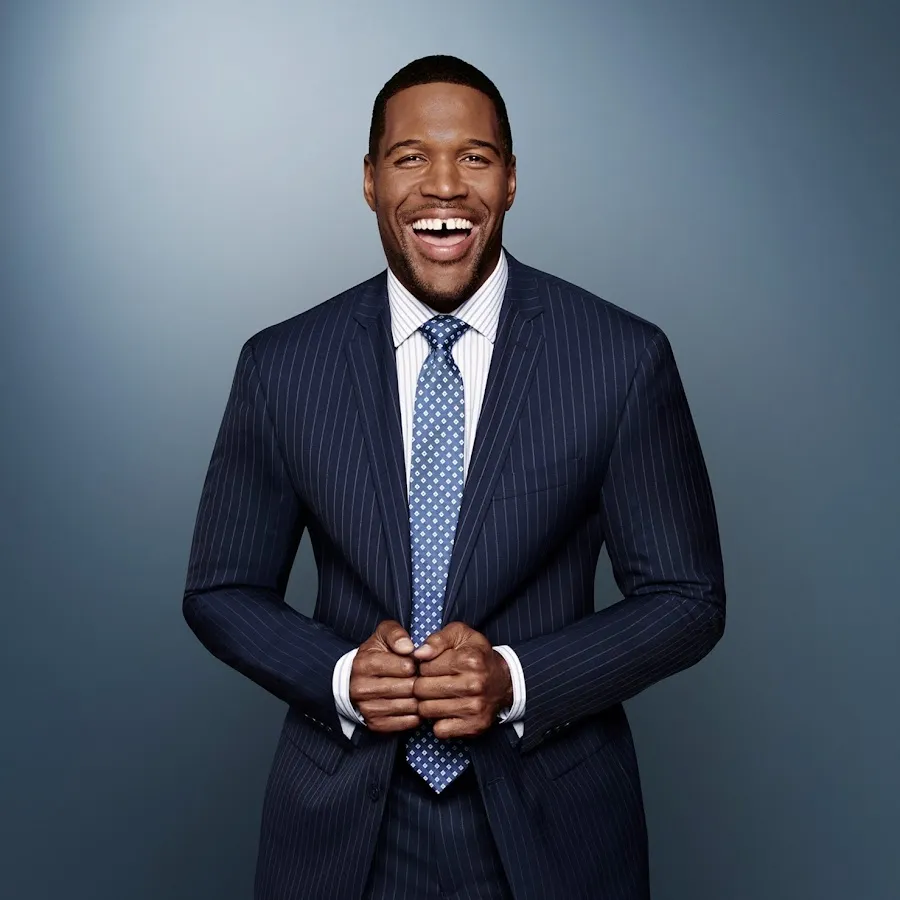
Michael Strahan is worth looking at because he represents a specific kind of intelligence that does not get enough credit in media conversations.
He came up as an athlete. Then transitioned into broadcasting, which is hard enough on its own. But the move that actually explains his longevity is that he never let his identity get stuck in any one container. He was not just the Fox NFL guy or the Good Morning America co-host. He built a presence that moved across sports, entertainment, business, and digital media, and he did it before it was obvious that he needed to.
Most presenters wait until their contract situation forces the question. Strahan seems to have asked it proactively, and the result is that when any one piece of his career changes, the rest of it keeps going. That is the architecture that you need to become a successful celebrity.
Personal Branding Is Now the Job
A few years ago, personal branding was something you heard about at conferences and mostly ignored. The people who took it seriously were either coaches or people who had already lost their main platform and were scrambling to build something new.
In 2026, it is the actual work. The question every media personality needs to be able to answer clearly is this: who are you when the channel logo is not behind you?
Your network's brand is not your brand. Your station's audience is not your audience. The moment your contract ends, the institution keeps its infrastructure and you keep whatever personal equity you have built while working for the company.
Don Lemon is one of the clearer illustrations of this. Leaving CNN the way he did, under the circumstances he did, could have been the end of a serious career. Instead he launched The Don Lemon Media Network, put together a small five-person production company, and started streaming directly to YouTube, TikTok, and Facebook. He added paid community tiers on Substack and YouTube.
What you can note in Don's story is that his audience had a relationship with him specifically, not just with CNN. Even though the logo behind him changed, his audience stayed and is what's fueling his growth now.
Look at how much the hosts of Good Morning America earn and you quickly understand why those salaries attract talent. But the real question is: what happens to that talent when the show moves on? The presenters in the strongest positions are the ones who built something that belongs to them alongside the job.
Personal branding is not about being loud or controversial. It is about being specific. The most successful content creators in the world are not trying to appeal to everyone. They stand for something clear enough that the right people immediately feel seen by it. That specificity is what builds loyalty. And loyalty is what pays long term.
Why Authenticity Is Winning Over Polish
Something interesting has happened to audiences. They have watched enough content to develop a very sharp instinct for when someone is performing versus when someone is actually being themselves. And they leave the room the moment it feels like performance.
This is a genuine advantage for anyone who is willing to be real. You do not need the highest production budget. You do not need a full broadcast team. What audiences are responding to right now is relatability. Real opinions. Genuine reactions.
The sense that the person on screen is actually a human being who believes what they are saying.
That does not mean being sloppy or unprepared. It means letting your personality breathe. The creators pulling the biggest numbers are not necessarily the most polished. They are the most honest.
That shift in what audiences value is one of the most significant changes in media in the past decade, and it is still underestimated by a lot of traditional media professionals.
Owning the Audience vs. Renting Access to It
This is the business reality that separates media personalities who build lasting careers from those who stay dependent on gatekeepers. When your audience lives entirely on someone else's platform, you are renting access to them. The landlord can change the rent at any time.
Tucker Carlson understood this faster than almost anyone. After his abrupt departure from Fox News, he did not wait for another network to call. He bypassed television distribution entirely and built the Tucker Carlson Network, a standalone subscription empire funded directly by his audience.
He distributes primarily through X and YouTube, funnels traffic to a premium subscription model, and has since expanded into independent podcasting and publishing. Whatever you think of his politics, the business move is undeniable. He owns his audience. No algorithm change, no executive reshuffle, no advertiser pullout can take that from him.
An algorithm update can cut your reach overnight. Before the introduction of AI Overviews on Google, Fineducke was pulling nearly 100,000 monthly readers. Then the landscape shifted fast. Search traffic dropped sharply, and our readership fell to around 20,000 almost overnight.
We had two choices: complain about the changes or adapt to them. If we had chosen the first option, you probably would not be reading this article right now.
Instead, we changed strategy. We started building a newsletter. We became more aggressive on social media. We focused on creating content people would actively come back for instead of relying entirely on search engines to send us traffic.
Over time, that shift changed everything. A large percentage of our audience now comes directly to Fineducke because they already know the brand, trust the content, and intentionally seek it out.
A platform can deprioritize your content type. A policy change can demonetize your work. None of that can touch a newsletter list you own, a community you have built on a platform like Patreon or Substack, or a direct relationship with people who actively seek you out regardless of what the algorithm is doing that week.
The smartest move any media personality can make right now is to be building a multi-platform presence while also cultivating at least one direct channel that they own entirely.
Storytelling Is a Technical Skill, Not Just a Talent
Everyone says they know how to tell a story. The retention data says otherwise. The difference between content people watch all the way through and content they abandon in the first thirty seconds almost always comes down to whether the opening delivered on its promise.
If someone clicks on your video or tunes in to your show, you have a very short window to make them feel like staying was the right decision. The YouTube team has noted that your thumbnail and title are your video's billboards and a strong click-through rate signals to the algorithm that your content is worth recommending broadly.
The creators who study their own data, who look at exactly where people are dropping off and which moments make people rewatch, are the ones who get measurably better, fast. This is craft. It is learnable. But you have to be willing to look at the feedback honestly and change what you are doing.
Good storytelling also builds community in a way that straight information delivery never does. When you tell a story that makes someone feel understood, you create a connection that goes beyond content. That person is no longer just a viewer. They are invested in you as a personality. That investment is the foundation of everything else.
The Business Mindset You Cannot Afford to Skip
The creator economy has proven something that traditional media never had to confront directly: the most successful media personalities are operating like small businesses. Influencers and creators are no longer relying on brand deals alone.
They are building merchandise lines, launching their own products, selling digital courses, creating paid communities, and in some cases launching their own companies entirely.
Mehdi Hasan is one of the clearest examples of this thinking in action. After the cancellation of his MSNBC show, he deliberately turned down traditional network contract negotiations.
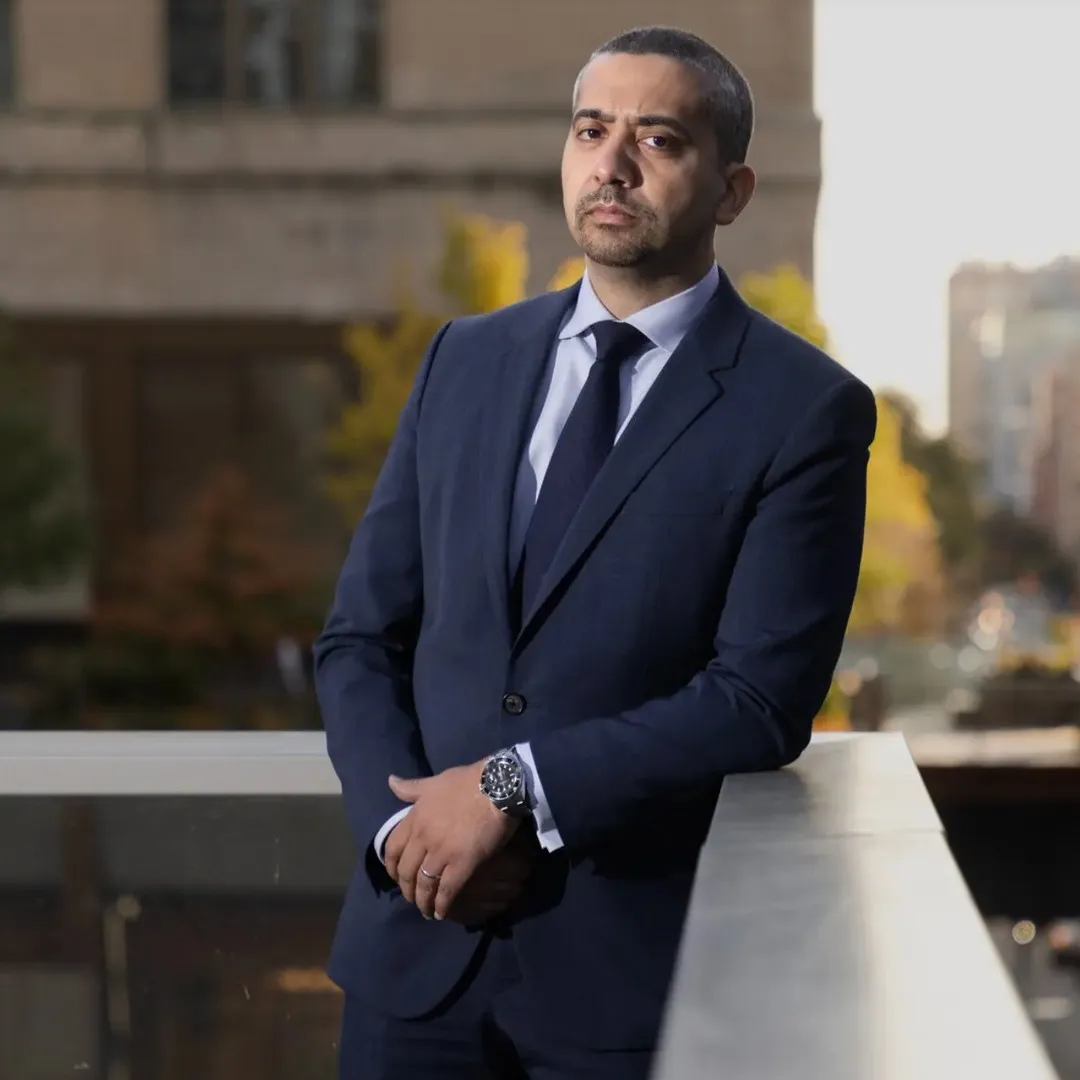
Instead he launched Zeteo, his own independent digital media brand built on Substack and YouTube, funded through direct audience crowdfunding and premium subscriptions.
Within a short period, Zeteo scaled to nearly 2 million YouTube subscribers and became a profitable independent operation. No network approved his topics. No executive greenlit his guests. He built the machine himself, and the audience followed.
In a Forbes article by Ricky Ray Butler, the creator economy has evolved to the point where anyone with the right tools and expertise can build their own sphere of influence and turn it into a genuine business empire. What used to require a studio deal or a broadcast contract can now be built from a smartphone and a consistent content strategy.
If your goal is longevity in the media industry, then diversification is a must and should be priority in your strategy. Ad revenue fluctuates. Brand deals come and go. The highest paid presenters have learned this lesson well, building multiple revenue streams rather than relying on a single salary from one station.
Relevant Case Studies from Veteran TV and Radio Hosts
- Daniel Ndambuki in Kenya expanded beyond television into YouTube, live events, and digital content.
- In the United States, Shannon Sharpe successfully transformed himself from a traditional sports analyst into one of the biggest podcast personalities online through Club Shay Shay.
- The UK’s Piers Morgan now drives massive audiences not only through television but also through YouTube clips and social media commentary.
- In India, Ranveer Allahbadia built a media empire by combining podcasting, YouTube, and entrepreneurship.
- Barbados-based media personality Nikki Crosby has also successfully blended traditional broadcasting with digital-first entertainment and online audience engagement.
The personalities building real financial stability are doing it through sponsorships, digital products, live events, and community platforms simultaneously.
Consistency Is What Separates the Ones Who Last
There is no secret formula, but if there were one, consistency would be most of it. The personalities who have built significant followings did not do it by going viral once. They did it by showing up repeatedly, over a long period of time, with content that reflected a clear and recognizable identity.
Willis Raburu is a good example of this closer to home. After building his name at Citizen TV, he made the move into independent content creation on YouTube and social media. He did not disappear when he stepped back from prime-time television.
He kept showing up, kept creating, and built a digital following that extended well beyond his broadcast audience. That continuity of presence is what separates personalities who outlast their contracts from those who fade the moment the cameras stop rolling.
Consider also the longevity of shows like the Today Show, whose cast members have built salaries and net worths that reflect decades of consistent on-screen presence and audience trust.
That kind of staying power does not happen by accident. It is the product of showing up every single day, building familiarity, and deepening the audience relationship over time. The same principle applies whether you are on network television or building a YouTube channel from your bedroom.
This is also where many talented people fall short. The initial energy is there. The first few months are strong. Then the results feel slow, the algorithm feels unfair, and the pace drops. The audience can feel inconsistency. It breaks the habit of showing up to watch you. Rebuilding that habit is far harder than maintaining it. Pick your platforms intentionally. Show up on them properly. And keep going.
What the Next Decade Probably Looks Like
The media personalities who will define the next decade are not necessarily the most famous ones right now. They are the ones willing to reinvent themselves when the landscape shifts. The ones building direct relationships with their audiences. The ones who understand that their personal brand is their most valuable professional asset.
Don Lemon left one of the most recognised newsrooms in the world and rebuilt from the ground up. Tucker Carlson walked away from the biggest prime-time audience on cable news and built something he owns entirely.
Mehdi Hasan turned a cancelled show into a nearly two-million-subscriber independent media brand. Willis Raburu took a local television profile and extended it into a digital audience that does not need a network to exist. None of these transitions were comfortable. All of them required someone to bet on themselves before anyone else did.
Traditional media is not dead. But it is no longer enough on its own. The presenter who refuses to build a digital presence, the journalist who will not engage with the platforms where their audience actually lives, the radio host who thinks social media is beneath them. These are the people who will be telling their career stories in the past tense.
The floor has been raised. The gatekeepers have been replaced by creators who showed up, built something real, and refused to wait for permission.
That is how you become a successful media personality in 2026.