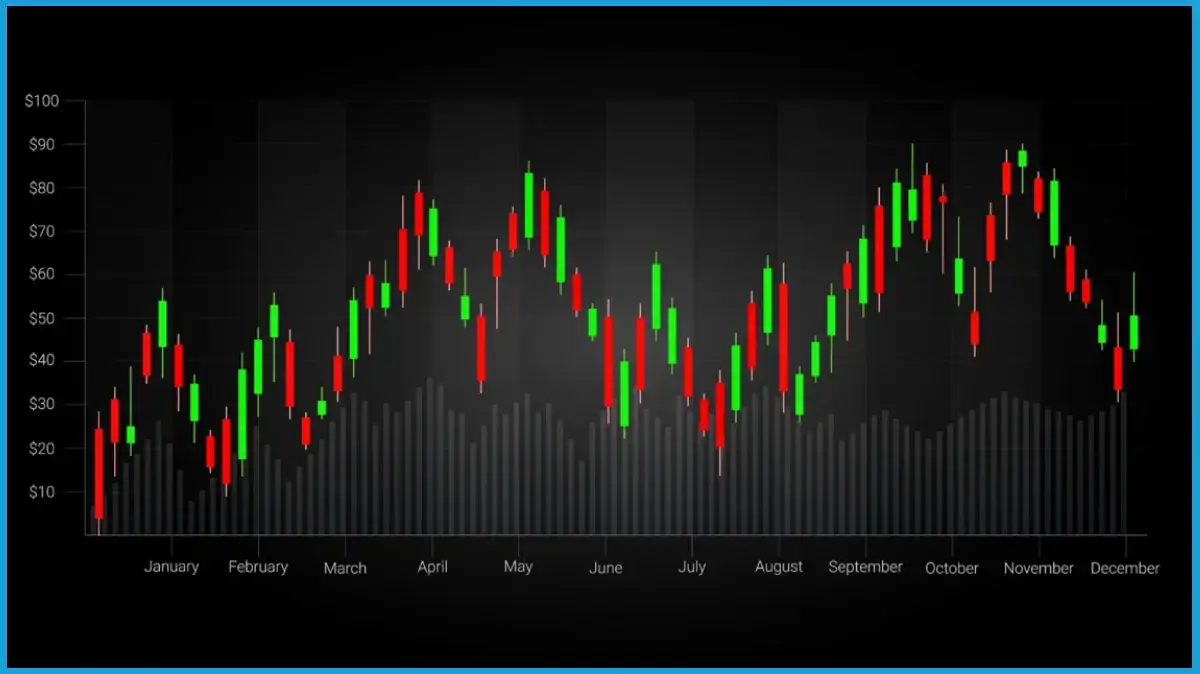
Trading is one of those money topics that looks exciting from the outside. You see charts, apps, screenshots, people talking about “entries” and “profits,” and it can feel like everyone understands something you do not.
But here is the truth: before you place your first trade, you need to slow down and learn how trading actually works. A good place to begin is by comparing brokers and understanding trading conditions through resources like IamForexTrader.com, especially if you are exploring forex markets for the first time.
This guide is not about getting rich quickly. It is about learning how to start trading in a realistic, safe, and structured way.
“The first goal of a beginner trader is not to make money fast. It is to stay in the game long enough to learn properly.”
What Is Trading, Really?
Trading means buying and selling financial assets with the goal of making a profit from price changes.
These assets can include:
- Currencies, also known as forex
- Stocks
- Indices
- Commodities like gold or oil
- Crypto assets
- Contracts for difference, also called CFDs
For example, if you believe the euro may rise against the US dollar, you might open a buy trade on EUR/USD. If the price moves in your favor, you can make a profit. If it moves against you, you can lose money.
That sounds simple, but the hard part is not clicking “buy” or “sell.” The hard part is managing emotions, risk, timing, and expectations.
Why Young People Are Interested in Trading
Many young people are drawn to trading because it feels accessible. You can open an app, watch markets move, and learn from videos or online communities.
There are a few common reasons trading attracts beginners:
- It feels more active than long-term investing
- You can start learning with a demo account
- Markets are available online
- There is a lot of free educational content
- It feels connected to independence and financial freedom
But there is also a dangerous side. Trading can become emotional. Beginners may risk too much, copy strangers online, or believe that a few winning trades mean they have mastered the market.
That is why the first step is education, not deposits.
Trading vs Investing: Know the Difference
Many beginners mix up trading and investing. They are related, but they are not the same.
| Topic | Trading | Investing |
|---|---|---|
| Time frame | Short-term or medium-term | Usually long-term |
| Main goal | Profit from price movement | Build wealth over time |
| Activity level | More active | More passive |
| Risk | Often higher | Can be lower if diversified |
| Skills needed | Timing, risk control, discipline | Patience, research, consistency |
| Common mistake | Overtrading | Panic selling too early |
Investing is usually about owning assets for years. Trading is more about making decisions over shorter periods. Neither is automatically better. They simply require different mindsets.
For most young people, trading should not replace saving, budgeting, or long-term investing. It should only be explored after the basics are under control.
Step 1: Fix Your Personal Finances First
Before you trade, check your real-life money situation.
Ask yourself:
- Do I have money for rent, food, transport, and bills?
- Do I have an emergency fund?
- Am I using borrowed money?
- Can I afford to lose the amount I want to trade with?
- Am I trading because I am curious, or because I feel desperate?
This matters because trading with pressure is a bad idea. If you need the money for basic life expenses, every market move will feel personal. That can lead to panic decisions.
A beginner should only trade with money they can afford to lose without damaging their daily life.
Step 2: Learn the Basic Words
Trading has its own language. You do not need to know everything on day one, but you should understand the basics.
Important terms include:
- Broker: The company or platform that gives you access to markets.
- Spread: The difference between the buy and sell price.
- Leverage: Borrowed exposure that lets you control a larger position with less money.
- Margin: Money required to open or hold a leveraged trade.
- Stop-loss: An order that closes your trade if the market moves too far against you.
- Take-profit: An order that closes your trade when it reaches your target.
- Volatility: How much and how quickly prices move.
Leverage deserves special attention. It can increase profits, but it can also increase losses. Many beginners focus on the exciting side and ignore the risk. Do not do that.
Step 3: Choose a Market to Study First
One mistake beginners make is trying to trade everything at once.
They watch forex in the morning, crypto at lunch, stocks in the evening, and gold at night. That creates confusion.
Start with one market and learn how it behaves.
For example:
- Forex may suit people who want to learn currency pairs and global economic news.
- Stocks may suit people who enjoy following companies.
- Crypto may interest people who already understand digital assets, but it can be highly volatile.
- Gold or indices may suit people who like macroeconomic themes.
You do not need to marry one market forever. You just need focus at the beginning.
Step 4: Use a Demo Account Before Real Money
A demo account lets you practice trading with virtual money. It is not perfect because emotions are different when real money is involved, but it is still useful.
Use a demo account to learn:
- How to open and close trades
- How spreads affect entries
- How stop-loss and take-profit orders work
- How fast prices can move
- How your strategy behaves over time
- How often you feel tempted to overtrade
Do not treat demo trading like a game. Treat it like practice.
Set rules and follow them. If you cannot follow rules with fake money, it will be harder with real money.
Step 5: Create a Beginner Trading Plan
A trading plan is a simple document that tells you what you will do before emotions take over.
Your plan does not need to be complicated. It can include:
- What market you trade
- What time of day you trade
- How much you risk per trade
- What setup you look for
- Where you place your stop-loss
- When you avoid trading
- How you review your results
Here is a simple beginner example:
| Rule | Example |
| Market | EUR/USD only |
| Account type | Demo account for 60 days |
| Risk per trade | 1% or less |
| Max trades per day | 2 trades |
| Stop-loss | Required on every trade |
| Trading time | Only after school or work, not during stress |
| Review | Write down every trade and lesson |
A plan protects you from random decisions. Random trading is one of the fastest ways to lose money.
Step 6: Understand Risk Before Chasing Profit
Beginners often ask, “How much can I make?”
A better question is, “How much can I lose if I am wrong?”
Every trade can lose. Even good traders lose trades. The difference is that experienced traders manage losses so one bad decision does not destroy the account.
Simple risk habits include:
- Never risk your full balance on one trade
- Avoid trading with borrowed money
- Use stop-loss orders
- Keep position sizes small
- Do not increase risk after a loss
- Take breaks after emotional trades
The market does not care how badly you want to win. That is why risk management is more important than confidence.
Step 7: Watch Out for Beginner Traps
Trading content online can be helpful, but it can also be misleading. Some people make trading look easy because they are selling a course, a signal group, or a dream lifestyle.
Be careful with anyone who promises:
- Guaranteed profits
- “Secret” strategies
- No-loss systems
- Huge daily returns
- Pressure to deposit quickly
- Screenshots without clear proof
- Trading signals without education
A real educator explains risk. A hype seller hides it.
If someone makes you feel like you must act immediately or you will miss your chance, step back.
Step 8: Start Small If You Go Live
After demo practice, some beginners move to a real account. If you do, start small.
The goal of your first live trades is not to make big money. The goal is to understand how you react when real money is involved.
You may notice that:
- You close winning trades too early
- You hold losing trades too long
- You check the chart too often
- You feel emotional after small losses
- You want to trade again immediately after a win
This is normal. Trading teaches you a lot about your own behavior.
Keep your position size small until your decisions become more stable.
A Simple Beginner Checklist
Before placing a real trade, go through this checklist:
- I understand the market I am trading
- I know why I am entering the trade
- I have a stop-loss
- I know how much I can lose
- I am not using rent, food, or emergency money
- I am not trading because of stress or boredom
- I have checked the broker’s basic conditions
- I am ready to accept the result
If you cannot tick every point, do not trade yet.
How Long Does It Take to Learn Trading?
There is no fixed timeline. Some people understand the basics in a few weeks. Becoming consistent can take much longer.
A realistic beginner path may look like this:
| Period | Main Focus |
| First 2 weeks | Learn basic terms and market types |
| First 1–2 months | Practice on demo and test simple rules |
| Months 3–6 | Study risk management and emotions |
| After 6 months | Consider small live trading only if disciplined |
This is not a race. Learning slowly is better than losing quickly.
Final Thoughts
Trading can be interesting, educational, and challenging. It can teach you about markets, economics, discipline, and decision-making.
But it is not magic. It is not easy money. And it should not be treated as a shortcut to financial freedom.
If you are a beginner, start with the basics. Learn the language. Study one market. Use a demo account. Build a plan. Protect your money. Avoid hype. Choose platforms carefully. Most importantly, do not trade with money you cannot afford to lose.
The best beginner traders are not the ones who act the fastest. They are the ones who stay patient, ask better questions, and respect risk from the very beginning.