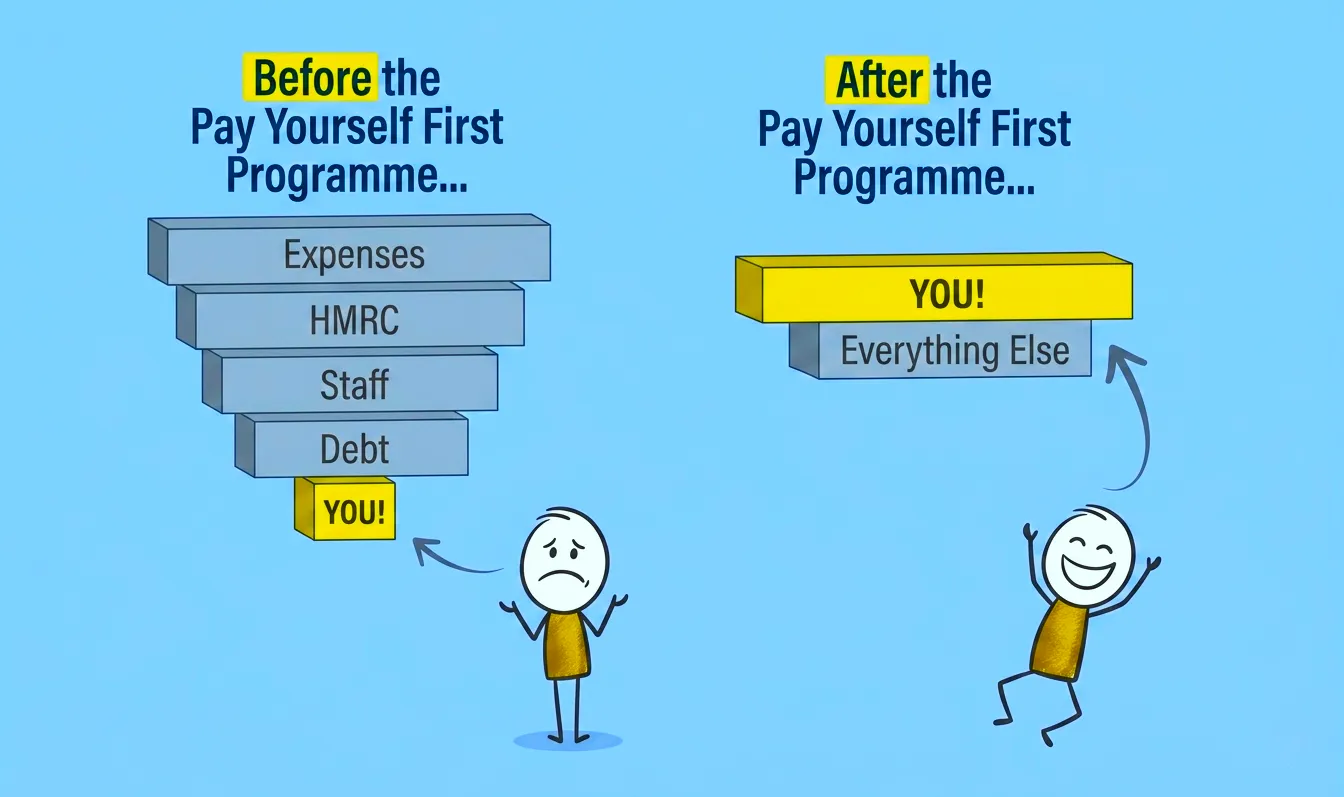
Paying yourself first is a habit that can genuinely change your financial life for the better. It creates a healthier environment for how you handle money and pushes you toward a more holistic approach to money, not just focusing on spending, but on saving, investing, and thinking long-term.
It’s actually very simple. When you make money, let’s say through your income, you save and invest a portion of it first before spending on anything else. I like to think of this habit as making yourself the first bill.
By doing this, you make sure your future self is taken care of before you deal with other expenses.
The biggest benefit of paying yourself first is that it helps you build financial security. No matter what happens, you already know you’ve saved something.
On top of that, it reduces money-related stress, helps you build better spending habits, especially when you’re actively tracking your expenses, and most importantly, strengthens your ability to grow your wealth over time.
When you get into the routine of paying yourself first, you’re not just saving, you’re building a system that supports a more holistic approach to money and a future that feels a lot more secure.
Why Pay Yourself First?
It is a common norm in the society that we should pay our bills and cover all our expenses before saving the leftover. However, things need to change, you should always come first, meaning you save and invest first.
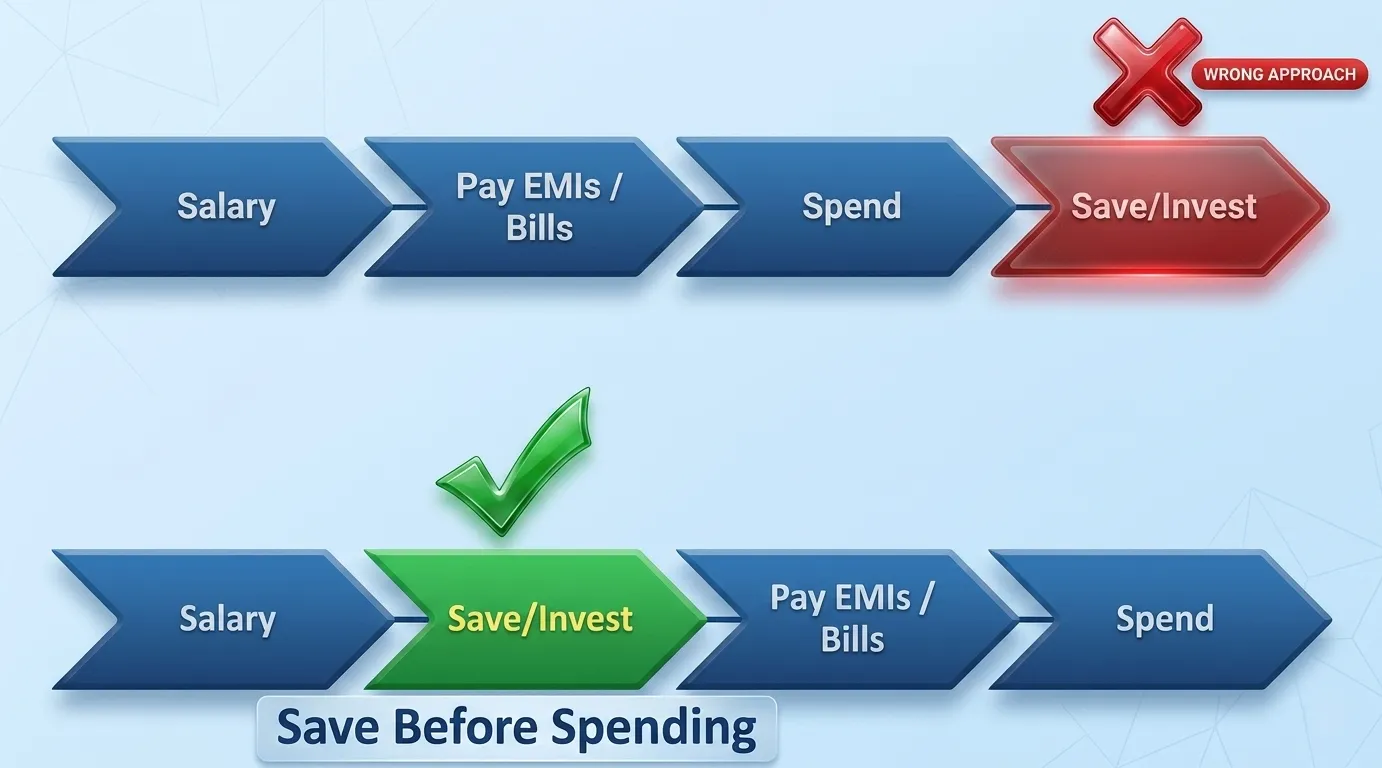
Remember, your life in itself is a bill and when you pay other bills than you first, there are high chances that there will be little or no money remaining to save or invest thus leading to financial instability. If you choose to pay yourself first, the script if flipped and you will determine how much you want to save or invest and even both.
How to Pay Yourself First
1. Pay yourself First by Automating Your Savings: If you want to pay yourself first, one of the best strategies used by modern savers is automating your savings.
You can set up automatic transfers from your checking to your investment or saving accounts. Automation will help you eliminate the temptation of spending the money thus making saving a seamless facet within your financial routine.
If you struggle with saving, you’re not alone. It’s a common challenge, especially among young people trying to manage money in a fast-moving, spend-heavy world. If you want to learn how to save in today’s environment, start with this guide on saving in the modern world.
And if you’re looking for something more structured, the Modern Saver Roadmap acts as your guide, pointing you to different saving concepts and articles so you can understand the tips, tricks and how saving really works.
2. Determine a Fixed Percentage: another way you can be paying yourself first is by deciding on a fixed percentage of the money that you make that you will save or invest each month.
This could be any figure for instance, 10%, 20%, or whatever percentage that fits your financial situation. You don’t need to save much, what you only need is consistency and growth. Over time, even small percentages can grow into substantial savings.
3. Prioritize High-Interest Debt: Many people consider debt to be a monster but its not. You just need to know the different methods of paying debt and choose the right one for you.
In many instances, if you have high-interest debt, such as credit card debt, pay it off first, followed by your savings. High-interest debt can quickly destroy progress in your financial journey, so it's critical to address it aggressively while also saving for the future.
4. Set Clear Financial Goals: Having clearly defined goals might help you stick to your savings plan. Whether it's creating an emergency fund, saving for a down payment on a house, or investing for retirement, understanding what you're working toward can help you stay focused and disciplined.
The Advantages of Paying Yourself First
Paying yourself first has many benefits:
- Financial Security: By constantly saving and investing, you can create a financial cushion that can protect you in times of need while also providing for the future.
- Reduced Stress: Paying yourself first will help reduce stress. This is how; knowing you have money set up for emergencies and long-term goals can greatly alleviate financial stress and worry.
- Wealth Building: Compound interest from the money that you save in an MMF or fixed deposit account allows you to grow your savings and investments over time. This can result in significant wealth gain and financial freedom.
- Improved Spending Habits: Prioritizing savings makes you more conscious of your spending. You'll become more aware of where your money is going and make more informed financial decisions.
In conclusion, paying yourself first is a simple but highly effective technique to get out of poverty and start gaining financial independence.
Making savings and investing a key priority will help you build a solid financial future and enjoy the peace of mind that comes with knowing you're in charge of your finances. Begin today and watch your financial situation improve substantially.