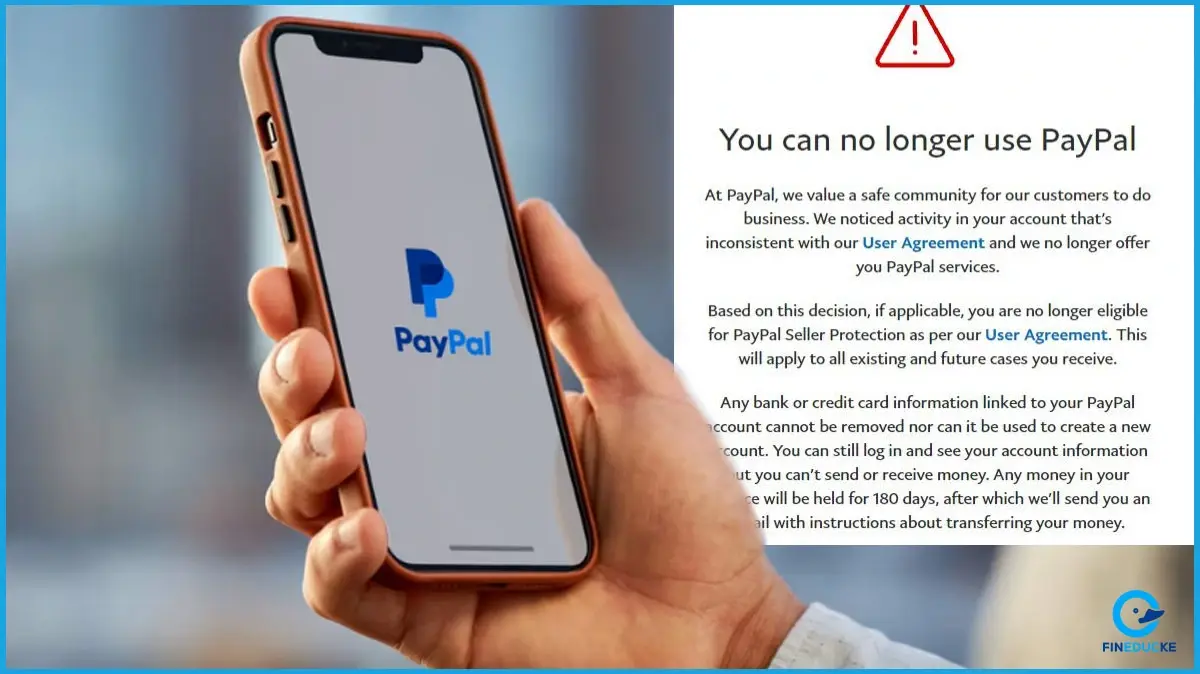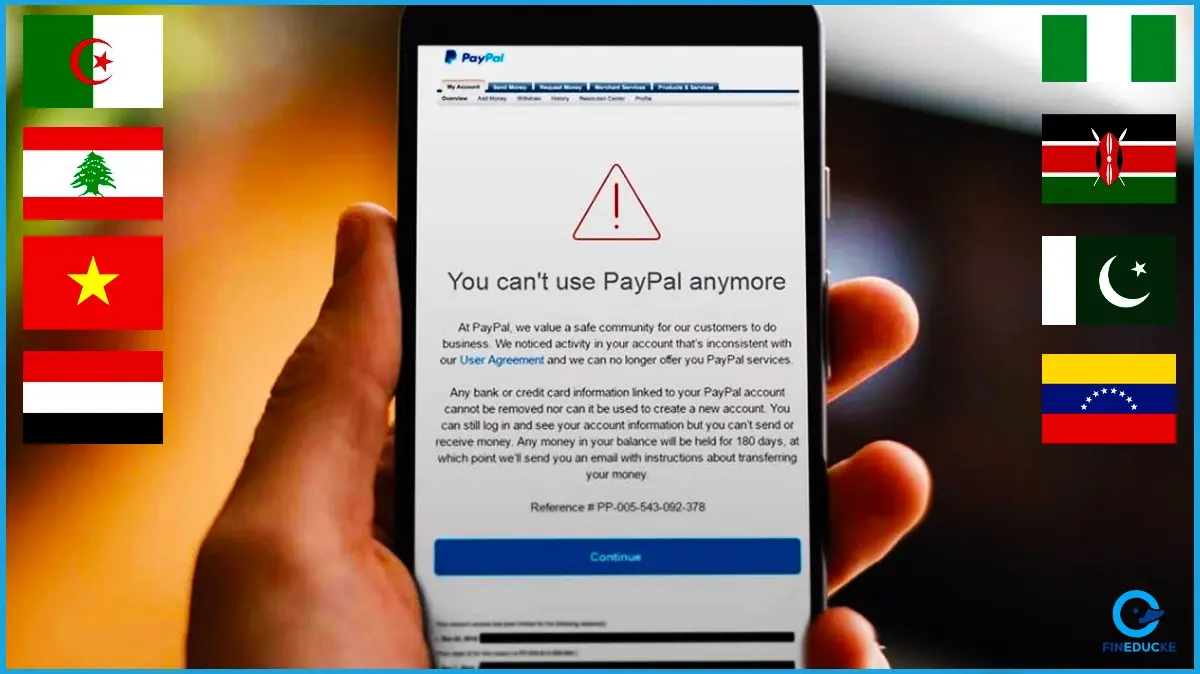
For millions of freelancers, remote workers, and small business owners across the developing nations, PayPal has constantly imposed strict regulations and even ban accounts without much notice. This action has put a lot of individuals working in the gig economy at cross roads, not knowing what to do as PayPal has often been their convinient choice for receiving money from global clients.
PayPal has a long and documented history of freezing accounts, withholding funds, and restricting access in countries flagged by the Financial Action Task Force (FATF).
When a country lands on the FATF grey list, international financial firms including PayPal are required to apply enhanced due diligence to transactions linked to that country.
In practice, this often means ordinary users ranging from freelancers, online traders, and remote workers, find their accounts suddenly frozen, their income inaccessible, and their documentation requests impossible to satisfy.
The FATF grey list currently includes 23 countries as of the February 2026 plenary, with the list updated three times a year. Here are ten countries where PayPal restrictions have had the most significant impact on everyday users.
Top Most affected nations by paypal limitations
1. Nigeria
Nigeria's history with PayPal is perhaps the most painful on this list. PayPal has a documented 20-year history of locking Nigerian users out of their funds.
In January 2026, PayPal partnered with local fintech Paga in what was billed as a fresh start for the Nigerian market — but within hours of the announcement, users were reporting the exact same problems that had plagued the platform's Africa operations for two decades.
Accounts were getting locked, verification systems were failing, and funds were being held.
For many Nigerians, the damage to trust is permanent. One Nigerian user warned others bluntly on X: "Don't use it — they seized our people's money for years and stigmatised us as fraudsters. We have better local platforms that do it faster and cheaper."
2. Kenya
Kenya is the latest African market to feel PayPal's compliance hammer. Following the country's placement on the FATF grey list, PayPal has frozen accounts held by Kenyans and permanently restricting some.
They have cited concerns linked to anti-money laundering compliance and fraud prevention measures. The restrictions have hit freelancers and remote workers hardest.
A particular sticking point is PayPal's requirement for formal proof of physical address — utility bills linked to a structured residential address — in a country where many homes are identified by landmarks and informal descriptions, not the structured street addressing common in the United States and Europe.
3. Pakistan
Pakistan has never had full PayPal access, and the FATF grey list is a central reason why.
The Financial Action Task Force placed Pakistan on the grey list over money laundering concerns, which became a key factor in PayPal never formally entering the Pakistani market — leaving tens of millions of freelancers and IT professionals without access to one of the world's most widely used payment platforms.
Pakistan consistently ranks among the top countries globally for freelance earnings, making the PayPal gap a significant economic handicap.
4. Venezuela
Venezuela faces a double compliance burden. Venezuela is on the FATF grey list and, combined with targeted OFAC sanctions on government entities, Venezuelan transactions face dual compliance scrutiny.
For ordinary Venezuelans — many of whom rely on digital work and remittances from abroad — PayPal access is functionally restricted, with withdrawal and transfer features unavailable.
5. Algeria
Algeria has remained on the FATF grey list under increased monitoring for several years. PayPal functionality in Algeria is severely limited — users can create accounts but face major restrictions on receiving international payments and withdrawing funds to local banks.
For Algeria's growing community of online workers, this has made Payoneer and Wise far more practical alternatives.
6. Lebanon
Lebanon's banking crisis has made its situation uniquely dire. Already crippled by a domestic financial collapse that wiped out ordinary savings, Lebanese users now face the added burden of FATF grey-listing, which has pushed PayPal to apply stricter scrutiny to Lebanese transactions.
Individuals living in or sending money to FATF-listed countries may face frozen accounts or delayed remittances — a reality Lebanese diaspora members trying to support family back home know all too well.
7. Vietnam
Vietnam has been on the FATF grey list under increased monitoring, and PayPal's restrictions in the country are notable given Vietnam's booming digital economy and large freelance workforce.
Users report difficulty receiving international payments and withdrawing funds, with PayPal's verification requirements proving difficult to satisfy given local banking infrastructure limitations.
8. Yemen
Yemen sits at the extreme end of the spectrum. Ongoing armed conflict, a collapsed formal economy, and FATF grey-listing have left Yemeni users with virtually no functional PayPal access.
This is particularly consequential for diaspora communities who rely on digital platforms to send remittances home to families, as alternative banking channels are equally restricted.
9. Bolivia
Bolivia was added to the FATF grey list in June 2025, making it one of the more recent additions to the list.
While PayPal technically operates in Bolivia, the grey-listing has prompted enhanced due diligence measures that translate into account restrictions, verification delays, and withheld funds for many users — a pattern that typically intensifies in the months following a country's grey-listing.
10. Myanmar
Myanmar occupies the most severe category. Following the military coup, Myanmar was placed on the FATF blacklist — the highest-risk designation — after the junta dismantled the country's anti-money laundering compliance infrastructure.
PayPal access is effectively cut off entirely. For Myanmar's private sector and civil society, which have no role in the junta's actions, the financial isolation compounds an already devastating political and humanitarian situation.
The Root Problem
The pattern across all ten countries is consistent: a country's FATF listing triggers compliance obligations for global financial firms, which respond with blanket restrictions that fall disproportionately on legitimate users — freelancers, small business owners, remote workers — rather than the bad actors the rules are designed to catch.
Critics argue that when a country's financial reputation comes under pressure, ordinary users often experience the consequences long before those responsible for financial misconduct do.
PayPal's compliance systems, designed around the formal financial infrastructure of Western markets, frequently fail to account for the realities of emerging economies — informal addressing systems, cash-dominant banking cultures, and limited documentation trails that have nothing to do with money laundering.
FATF listing does not legally prohibit transactions, but its practical banking consequences can be as severe as a legal prohibition.
countries exit the grey list through demonstrated regulatory reform — as Nigeria, South Africa, and the Philippines have done in recent years — their users will continue to operate in financial uncertainty, building workarounds around a platform that was supposed to include them.
For affected users across all these markets, the message from years of experience is the same: diversify early. Platforms like Payoneer, Wise, and Deel are purpose-built for exactly the markets PayPal has repeatedly failed to serve fairly.