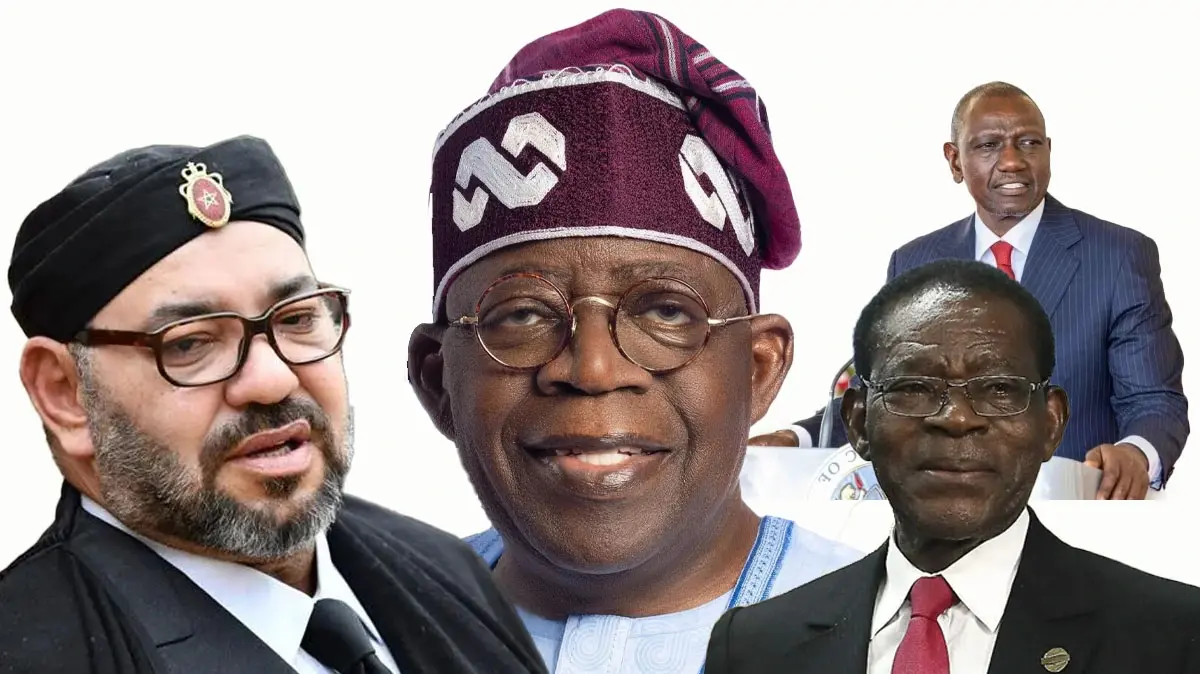
In 2026, the richest president in Africa is Morocco's King Mohammed VI. He tops the African rich list with an estimated net worth of up to $8.5 billion, this is more than double that of the second richest African president Bola Tinubu of Nigeria at $4 billion.
The gap between the richest and the tenth richest (Ouattara at $150 million) illustrates how unevenly political wealth is distributed even within this cohort.
Collectively, the ten leaders on this list control an estimated $12 billion to $15 billion in personal wealth.
Seven of the ten presidents have businesses in either mining, oil, or natural gas. Real estate is the second most prevalent asset class, featuring in the portfolios of at least five leaders. Banking and telecoms come number three.
Only Ouattara of Ivory Coast built his wealth primarily through salary and institutional finance rather than resource or property assets.
Geographically, North and West Africa dominate this rich list: Morocco, Nigeria, Egypt, Ghana, and Ivory Coast account for half the list.
Also read: Top 10 richest people in Africa
Four of the ten: Obiang, Sisi, Kagame, and Mnangagwa, govern countries with limited financial transparency, meaning their true net worths are almost certainly higher than published estimates.
Two leaders, Tinubu and Ramaphosa, built significant wealth before reaching the presidency; the rest accumulated theirs primarily while in office or through state-adjacent channels during long political careers.
Top 10 Richest African Presidents (2026 Update)
1. King Mohammed VI – Morocco
- Net Worth: ~$5 billion – $8.5 billion
- Age (2026): 62
- Key Investments: Almada holding company, Managem (mining), banking and telecommunications assets, extensive royal landholdings
- Source of Wealth: Royal inheritance and majority stake in Almada, a diversified holding company with dominant positions across Morocco's most profitable sectors
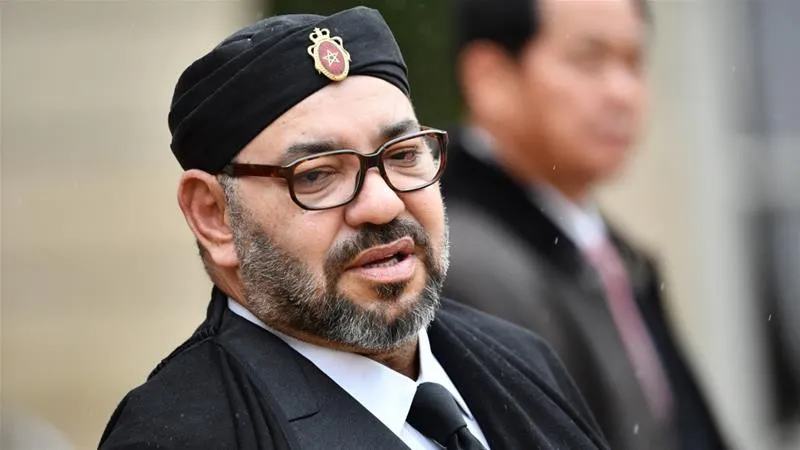
Mohammed VI has ruled Morocco since 1999 and is the wealthiest head of state on the continent by a significant margin. His fortune flows primarily through the Almada conglomerate, which holds stakes in phosphate mining, telecoms, and financial services — industries that collectively define the Moroccan economy.
Managem, a mining subsidiary, alone operates across multiple African countries. This is generational wealth compounded by institutional royal control: the monarchy owns or influences a substantial portion of Morocco's GDP.
Politically, Mohammed VI has positioned Morocco as a stable, investment-friendly monarchy in an otherwise volatile North African region. He introduced a new constitution following the 2011 Arab Spring protests, devolving some powers while retaining executive authority.
His government has pushed renewable energy and infrastructure aggressively, which has also expanded Almada's footprint. Critics point to persistent inequality and limits on political opposition, but foreign direct investment into Morocco has grown steadily under his reign.
2. President Bola Ahmed Tinubu of Nigeria
- Net Worth: ~$4 billion
- Age (2026): 74
- Key Investments: Real estate portfolios across Nigeria and abroad, media assets, political financing networks
- Source of Wealth: Real estate holdings, business investments, and decades of political influence as Lagos Governor and national power broker
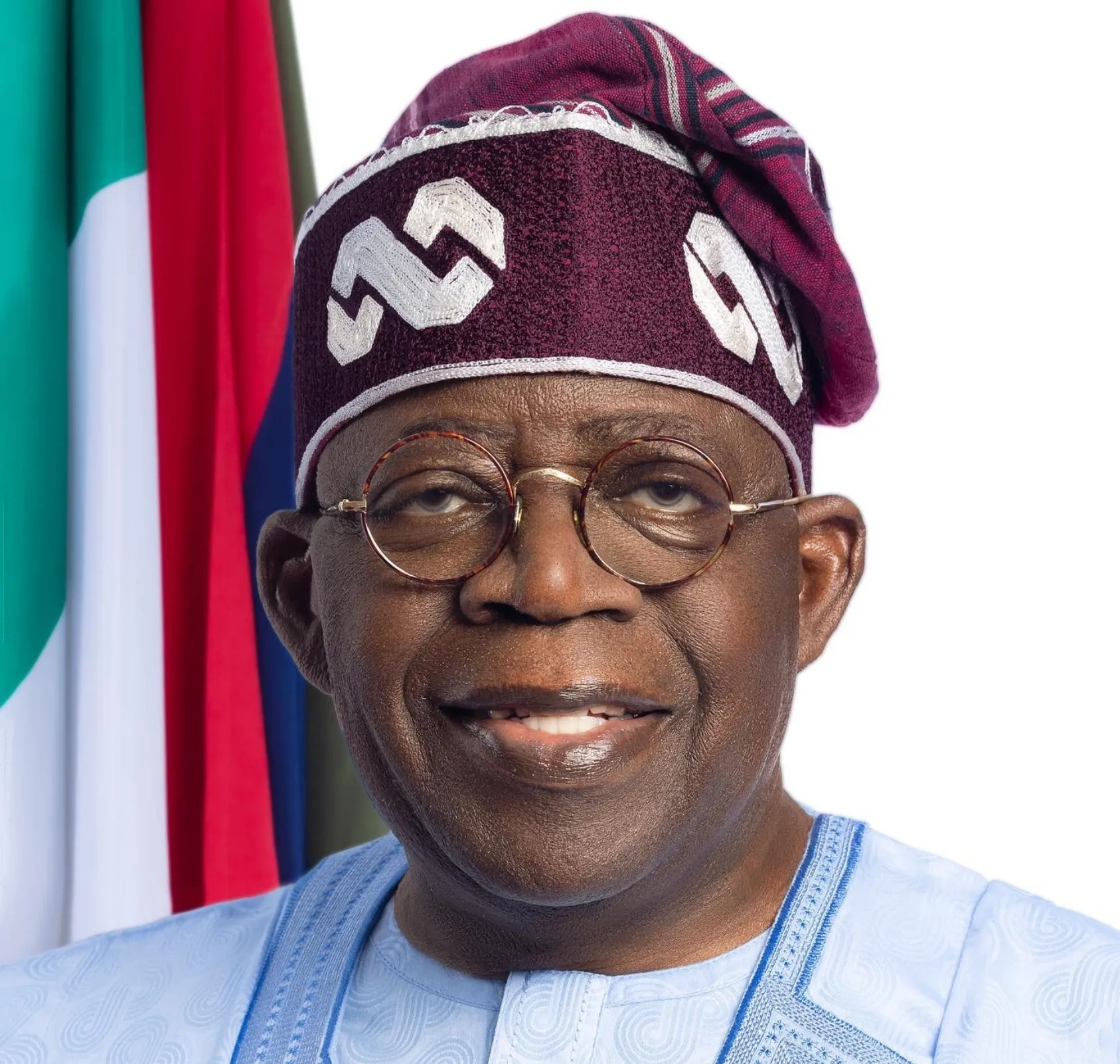
Tinubu became Nigeria's president in May 2023 after one of the country's most contested elections. Long before that, he had built a personal fortune rooted primarily in Lagos real estate and the political machine he constructed as governor from 1999 to 2007.
His declared assets have consistently understated his actual wealth, with independent analysts placing him firmly in billionaire territory. He is frequently cited in discussions of high-net-worth individuals in Africa given the scale and opacity of his financial holdings.
His economic policy as president has been disruptive by design — removing Nigeria's long-standing fuel subsidy within days of taking office and allowing the naira to float freely, policies that triggered short-term inflation but aimed at fiscal sustainability.
The business community largely welcomed the reforms; ordinary Nigerians bore the cost. Whether those reforms consolidate into structural economic growth will define his legacy more than his wealth.
3. Teodoro Obiang Nguema Mbasogo of Equatorial Guinea
- Net Worth: ~$600 million
- Age (2026): 83
- Key Investments: Oil revenue allocations, state asset control, undisclosed private accounts
- Source of Wealth: Decades of control over Equatorial Guinea's oil wealth, with revenues flowing through opaque state and personal channels
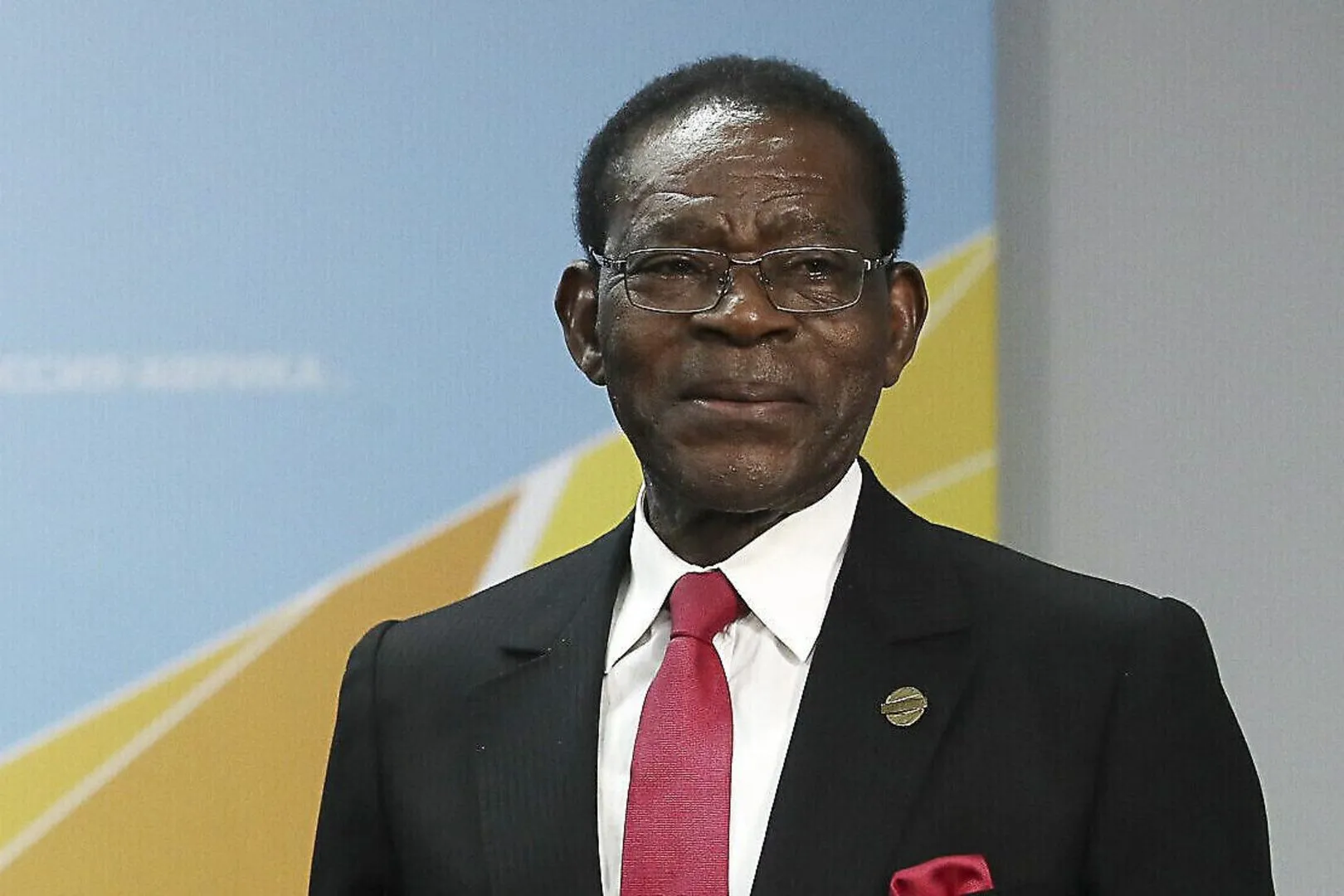
Obiang has ruled Equatorial Guinea since 1979 — one of the longest-serving heads of state in the world — making him a central figure in any list of African billionaires adjacent to political power. His country struck oil in the 1990s and overnight became sub-Saharan Africa's third-largest oil producer.
Almost none of that wealth reached the general population. Obiang and his inner circle, including his son Teodorin (who has faced international corruption prosecutions), accumulated fortunes through resource extraction with minimal accountability.
His government has no free press, no functioning opposition, and no independent judiciary. The oil windfall has since declined as reserves mature, but Obiang remains in power and his personal wealth, while difficult to verify precisely, is understood to derive almost entirely from state resource control.
His net worth figures are estimates drawn from asset investigations and court proceedings in France and the United States.
4. Uhuru Kenyatta – Kenya

Former President Uhuru Kenyatta of Kenya, despite stepping down in 2022, remains a significant figure in the political and business arena.
His net worth is estimated at $530 million, with stakes in real estate, finance, and agriculture. For full break down on Uhuru's wealth, read our breakdown; Uhuru Kenyatta's net worth in 2026.
- Key Investments: Brookside Dairy, NCBA Bank, and large tracts of land across Kenya.
- Major Source of Wealth: Investments in agriculture, finance, and real estate.
5. William Ruto of Kenya
- Net Worth: ~$400 million – $500 million
- Age (2026): 59
- Key Investments: Large-scale agricultural landholdings, Weston Hotel (Nairobi), insurance sector stakes, media interests
- Source of Wealth: Agriculture, real estate, and business ventures built across two decades in government

Ruto's wealth accumulated in parallel with his political career, which stretches back to the 1990s. He owns significant agricultural land across Kenya's Rift Valley as well as urban real estate including the Weston Hotel, a property that has been subject to ownership disputes with the Kenya Civil Aviation Authority.
He took office in September 2022 after defeating the late Raila Odinga in an election that was contested but upheld by the Supreme Court.
As president, Ruto positioned himself as a champion of the "hustler nation" — small traders, bodaboda riders, and informal workers — while simultaneously facing criticism that his personal wealth sits uneasily with that framing.
His administration has pursued aggressive digital financial inclusion and infrastructure spending, funded in part by tax increases that triggered major protests in 2024. For complete wealth break down, see our article on Wiliam Ruto's Net Worth in 2026.
6. President Cyril Ramaphosa of South Africa
- Net Worth: ~$450 million
- Age (2026): 73
- Key Investments: Mining assets (including Lonmin/Sibanye-Stillwater), telecommunications (MTN, Vodacom stakes), McDonald's South Africa franchise
- Source of Wealth: Business empire built during the post-apartheid BEE (Black Economic Empowerment) era, with dominant positions in mining and telecoms

Ramaphosa is arguably Africa's most prominent example of wealth creation through post-apartheid economic policy. After leading the ANC's negotiating team in the early 1990s, he transitioned into business and became one of South Africa's wealthiest individuals through BEE deals that gave Black executives preferential access to stakes in established mining and telecoms companies.
His holding company Shanduka Group grew into a multi-sector conglomerate before he divested to return to politics as Deputy President in 2014.
He became president in 2018 following the resignation of Jacob Zuma and has spent his terms attempting to rebuild state institutions gutted by years of state capture.
His political position is perpetually constrained by ANC factionalism, and his own image took a significant hit from the Phala Phala farm scandal — cash hidden in furniture on his private game farm, raising questions he has not fully answered.
South Africa's economy remains structurally damaged by unemployment above 30%, but Ramaphosa's reformist instincts and international credibility keep him relevant as an investor-facing head of state.
7. President Paul Kagame of Rwanda
- Net Worth: ~$400 million – $500 million
- Age (2026): 68
- Key Investments: National development investment portfolios, governance-linked private holdings, stakes in Rwanda's growing tech and hospitality sectors
- Source of Wealth: A combination of presidential compensation, investment vehicles tied to national development policy, and private investments accumulated over three decades in power

Kagame has governed Rwanda since 2000 and has overseen one of Africa's most dramatic economic transformations — taking a country that was devastated by genocide in 1994 and turning it into a regional hub for business, technology conferences, and foreign direct investment.
Rwanda's GDP per capita has grown substantially under his tenure, and Kigali regularly tops African livability rankings. His personal wealth is harder to verify than most on this list because Rwanda's financial reporting on senior officials is limited and Kagame's assets are intertwined with state development vehicles.
His governance model is authoritarian by most international standards — political opposition is suppressed, press freedom is limited, and dissidents abroad have faced violence.
But his economic track record draws admiration from development economists and institutions like the World Bank, creating a persistent tension in how the international community engages with him.
Rwanda's rise as a business hub in Africa is largely his creation, and his personal financial interests are embedded in that rise.
8. President Abdel Fattah el-Sisi of Egypt
- Net Worth: ~$185 million – $300 million
- Age (2026): 71
- Key Investments: Military-linked enterprises, state infrastructure projects, presidential compensation accumulated over a long military and political career
- Source of Wealth: Egypt's military economy — a vast network of military-owned businesses covering construction, consumer goods, tourism, and infrastructure — in which Sisi has been deeply embedded
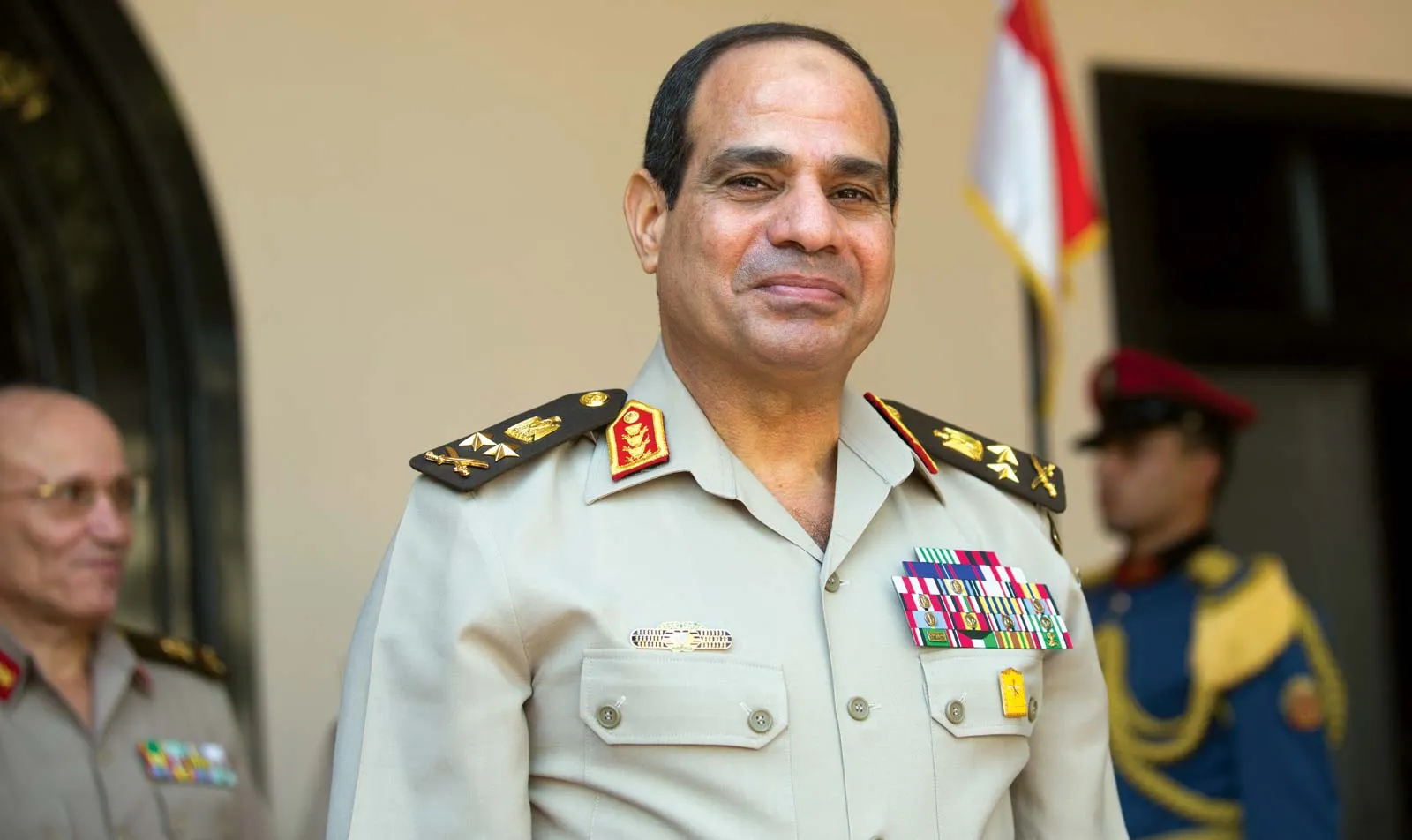
Sisi led the military coup that removed Mohamed Morsi in 2013 and has governed Egypt since, winning elections in which serious opposition was effectively absent.
His personal wealth is inseparable from the Egyptian military's business empire, which controls an estimated 25–40% of the national economy depending on the sector.
This includes everything from cement and steel to olive oil and pasta. Sisi himself has been connected to this network through decades of military service and his subsequent role as president overseeing major infrastructure spending, including the new administrative capital being built outside Cairo.
Egypt under Sisi has maintained strategic importance for the West — as a counterterrorism partner and Suez Canal administrator — which has insulated him from significant external pressure despite documented human rights abuses including mass imprisonments and restrictions on civil society.
His government has taken multiple IMF loans and pursued significant austerity measures, passing the cost to ordinary Egyptians while the military economy remains sheltered from reform.
9. President Emmerson Mnangagwa of Zimbabwe
- Net Worth: ~$100 million – $250 million
- Age (2026): 83
- Key Investments: Agriculture, mining interests, political business networks built across five decades
- Source of Wealth: Long political career alongside Robert Mugabe, state resource exposure, and private business interests in sectors aligned with Zimbabwe's natural resource base
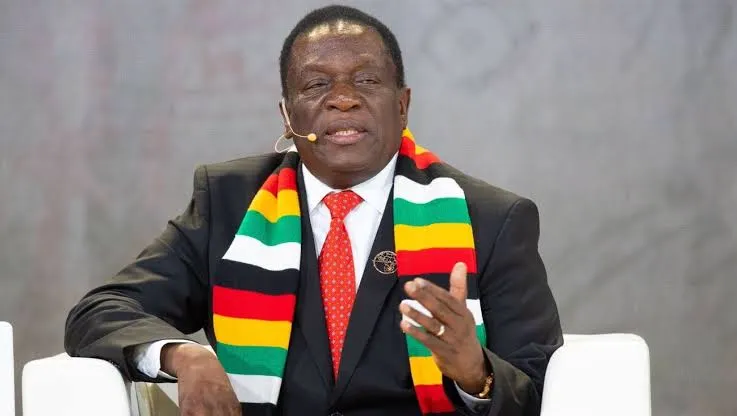
Mnangagwa, known domestically as "the Crocodile," spent decades as Mugabe's enforcer and political survivor before engineering the soft coup that removed Mugabe in November 2017 and installed himself as president.
His wealth has accumulated over the same long arc — agriculture in a country where land redistribution created enormous asset-transfer opportunities for those with political connections, and mining interests in a country sitting atop one of Africa's richest mineral bases in platinum, lithium, and diamonds.
Zimbabwe's economy has remained deeply troubled under Mnangagwa — hyperinflation recurred, the currency has been repeatedly restructured, and sanctions have hampered formal investment inflows.
Yet the country's lithium reserves have attracted renewed interest as global electric vehicle and battery supply chain investment accelerates, positioning Zimbabwe as a potential mineral wealth story.
Mnangagwa has leaned into this, courting Chinese investment in particular. His own financial interests in the mining sector mean he has personal as well as national stakes in that play.
10. Nana Akufo-Addo of Ghana
- Net Worth: ~$200 million
- Age (2026): 80
- Key Investments: Law practice earnings, family investment holdings, governance compensation over a long public career
- Source of Wealth: Private legal practice, family wealth, and accumulated assets from a career spanning law and multiple senior government roles
Akufo-Addo is the son of a former Ghanaian head of state and comes from one of Ghana's most prominent political dynasties. His wealth predates his presidency — he built a successful legal career before entering politics, including time as Attorney General and Foreign Minister.
He became president in 2017 and served two terms, with his tenure ending in January 2025. His inclusion on this list reflects wealth built over a lifetime rather than resources extracted during office.
His presidential legacy is complicated. His flagship Free Senior High School policy expanded access to secondary education significantly and drew genuine praise. But his second term ended in severe fiscal crisis — Ghana underwent an IMF bailout in 2023, its external debt became unsustainable, and the cedi collapsed.
Domestic bondholders were forced to restructure, wiping out savings for ordinary Ghanaians. The contradiction between his family's financial comfort and the economic distress of his administration's final years is a defining part of how he will be assessed historically.
Also read:Top 10 richest people in Ghana
10. President Alassane Ouattara of Ivory Coast
- Net Worth: ~$150 million
- Age (2026): 84
- Key Investments: Assets accumulated through international finance career, presidential compensation, private savings
- Source of Wealth: Career at the IMF (including as Deputy Managing Director), governorship of the Central Bank of West African States, and three decades at the intersection of African economic policy and power
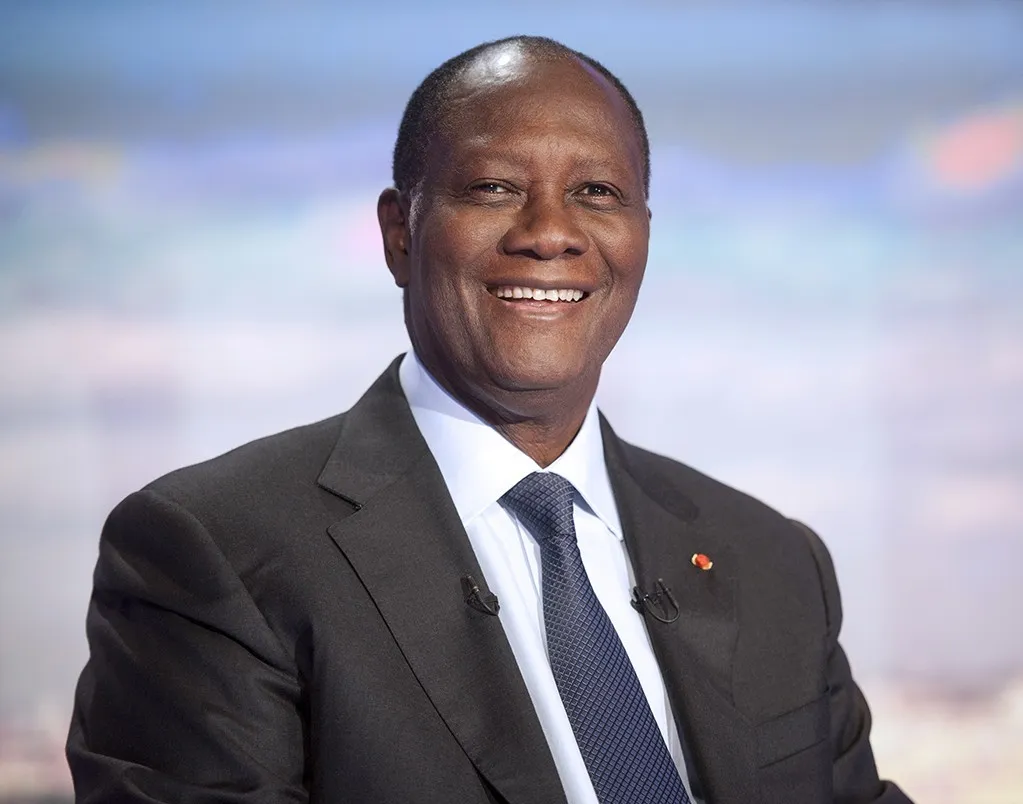
Ouattara is the only person on this list whose foundational wealth came from legitimate international institutional employment rather than political office in Africa or inherited assets.
His career at the IMF gave him significant financial standing and global connections before he became Prime Minister of Ivory Coast in 1990 and eventually president in 2011.
His net worth is the most modest on this list, reflecting a different path to this ranking — built on salary, savings, and financial sector exposure rather than resource control or business empire construction.
Ivory Coast under Ouattara has been one of West Africa's fastest-growing frontier market economies, averaging GDP growth above 6% annually for much of his tenure, driven by cocoa exports, infrastructure investment, and improved political stability following the civil war period of the 2000s.
He controversially stood for a third term in 2020 by arguing a new constitution reset his term count, a move that drew protest but which he won. He has signaled willingness to step back from power, though the political succession question in Abidjan remains unresolved.
Analysis Richest African Presidents
The combined wealth of these ten leaders is concentrated at the top in a way that mirrors the broader income inequality across the continent. Mohammed VI alone accounts for roughly half the total estimated wealth on this list. Remove him and Tinubu, and the remaining eight leaders share an estimated $2.5 billion to $3.5 billion.
Mining and oil remain the dominant wealth engines. Seven of the ten have direct or state-proximate exposure to mining industry.
Real estate is the consistent secondary asset across the list, present in Nigeria, Kenya, South Africa, Ghana, and Morocco.
Only two leaders on this list: Ramaphosa and Ouattara built their foundational wealth through channels that would be unremarkable in the private sector: BEE-era corporate deals and an international finance career respectively. The other eight accumulated wealth in ways that either require state power to access or become substantially more valuable because of it. That pattern, political office as the primary vehicle for wealth accumulation in Africa is the defining financial characteristic of this list.
Honourable Mentions
Ali Bongo Ondimba – Gabon

Ali Bongo Ondimba, the President of Gabon, has a wealth of around $20 million. His family’s wealth comes from the country’s rich oil reserves, logging activities, and mining operations. Since becoming president, Ali Bongo has further expanded his business empire through global investments.
- Key Investments: Oil, mining, timber exports.
- Major Source of Wealth: Gabon’s natural resources and private family businesses.
King Mswati III – Eswatini

With a fortune of around $200 million, King Mswati III of Eswatini (formerly Swaziland) is another royal figure with vast wealth. His wealth comes from control over national resources, especially sugar and timber, as well as substantial land holdings.
- Key Investments: Sugar plantations, real estate, investments in Eswatini's natural resources.
- Major Source of Wealth: Monarchial control of the economy and natural resources.
Yoweri Museveni – Uganda

Ugandan President Yoweri Museveni has been in power since 1986 and has accumulated a fortune of around $150 million. His wealth is linked to agriculture and natural resources, including investments in farming, mining, and real estate.
- Key Investments: Agriculture (particularly livestock), mining, and land ownership.
- Major Source of Wealth: Strategic investments in Uganda’s natural resources and agriculture.
Isaias Afwerki – Eritrea

President Isaias Afwerki of Eritrea holds wealth estimated at $120 million. His wealth stems from Eritrea’s mining sector, particularly gold and copper, along with control over national industries and exports.
- Key Investments: Mining (gold and copper), national infrastructure.
- Major Source of Wealth: Control over Eritrea’s state-owned industries and mining exports.
Denis Sassou Nguesso – Republic of the Congo

With a net worth of $110 million, Denis Sassou Nguesso, President of the Republic of the Congo, rounds out the list. Sassou Nguesso's wealth is tied to his country’s oil industry, along with stakes in the telecommunications and banking sectors.
- Key Investments: Oil, telecommunications, banking.
- Major Source of Wealth: Control of the Republic of the Congo's oil sector and state-owned enterprises.