Ever had an expense sneak up on you and wreck your whole month? Like your car insurance renewal, school fees, or your best friend’s wedding gift? You knew it was coming… just not when. That’s where a sinking fund comes in.
So, What’s a Sinking Fund?
A sinking fund is money you set aside little by little for an upcoming expense. It’s not an emergency fund. It’s not random saving. It’s a plan for something that you know is coming.
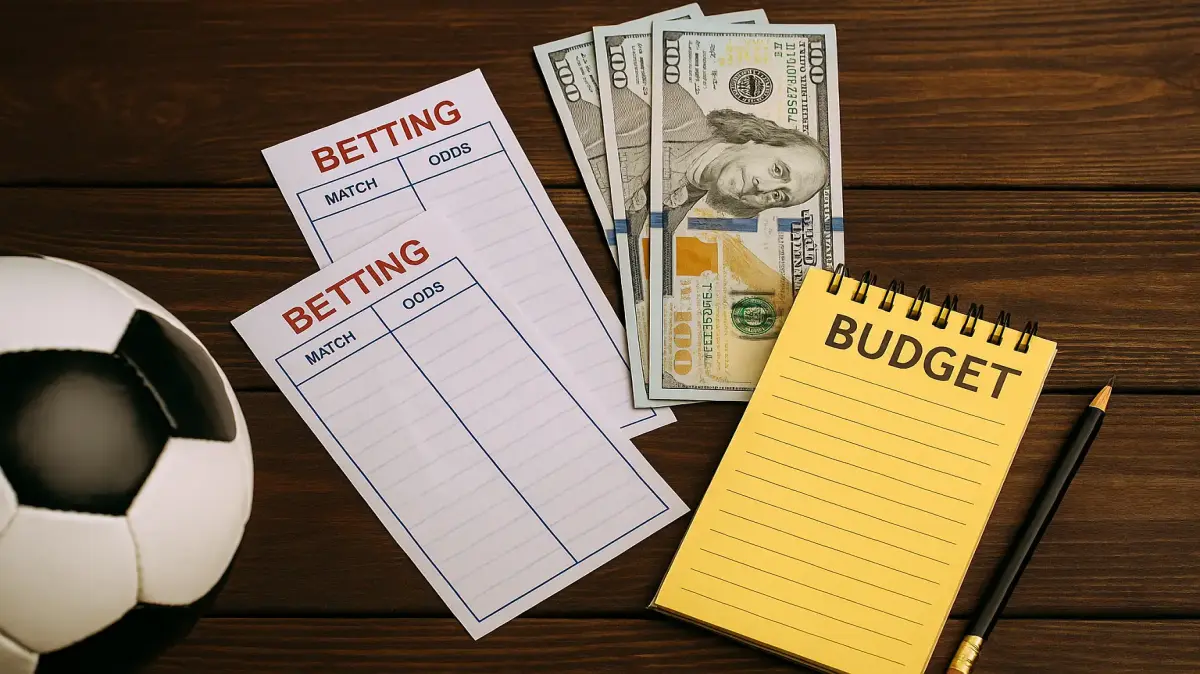
Think of it like this: instead of pulling $200 from your account in one go when your car needs service, you save $20 a month for 10 months. No panic, no debt, no stress. This is what I call making saving fun so that you dont have to miss out on life. Even when you are on a tight budget or low income job.
You’re basically “sinking” small amounts of money into a separate stash, so by the time the expense shows up, you’re ready.
Quick quiz: Whats the simplest budgeting strategy? Read this article that explains the 50/30/20 Budgeting Rule
What Can You Use It For?
Anything predictable but not monthly. Here are a few real-life examples:
- Car insurance premiums
- School fees
- Vacation or holiday travel
- Home repairs
- Annual subscriptions (like Netflix or Canva Pro)
- Christmas shopping or birthdays
If it’s not urgent today but will cost you soon, that’s sinking fund territory.
How Do You Set One Up?
- Pick a category – What do you want to save for?
- Set a goal amount – How much will it cost?
- Set a timeline – When will you need it?
- Divide and conquer – Break it into smaller monthly or weekly amounts.
Difference between Sinking fund and Emergency fund

A sinking fund is money you save on purpose for an expense you know is coming, for instance, a car insurance, school fees, or a planned vacation. An emergency fund, on the other hand, is for the unexpected stuff like a job loss, medical emergency, or urgent car repair. Think of it this way: a sinking fund is for the predictable, while an emergency fund is your financial safety net for the unpredictable. Both are important, but they serve totally different roles in your budget.
You can keep it in a labeled savings account, envelope, or use a budgeting app. I even tell our Fineducke Community to create digital “buckets” for each goal because it makes tracking easier.
Bottom line? A sinking fund saves your future self from stress. It gives you control, not just over your money, but your peace of mind too.
Want help building one? Check out my budgeting templates or how to save on a tight budget for tools that actually work.