















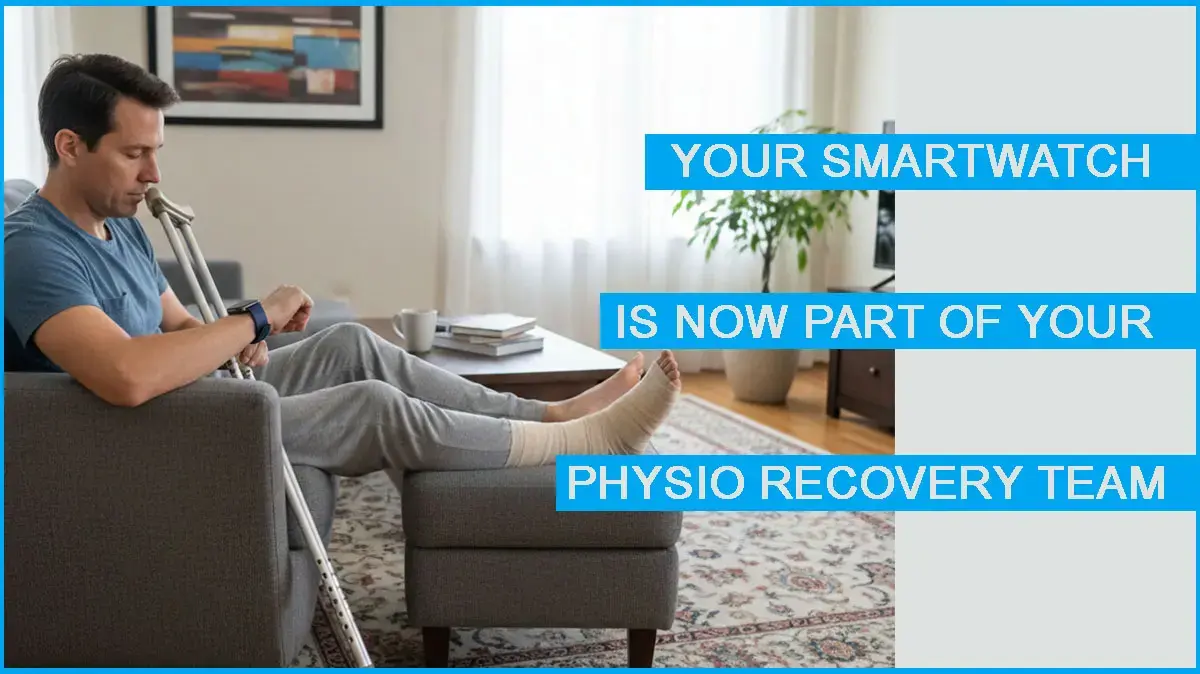
Those days are fading fast. The little device on your wrist that counts your steps and buzzes when you've been sitting too long has become something more useful than a fancy pedometer. It's collecting data about your movement, your activity levels, even how well you're sleeping, and that information is changing how recovery works. Your physiotherapist can now see what's actually happening between appointments, not what you think happened or what you hope they want to hear.
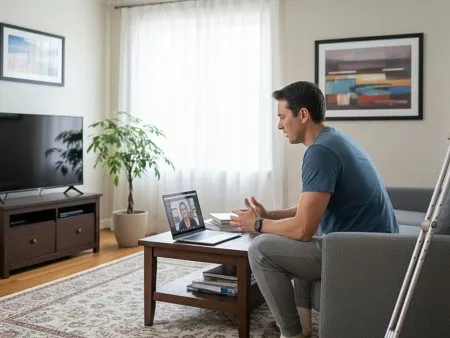
The shift towards remote healthcare didn't start with the pandemic, but COVID-19 certainly threw it into overdrive. Suddenly, everyone from GPs to specialists to allied health professionals had to figure out how to treat patients through a screen. What began as a necessity has become a preference for many people. Why take half a day off work, sit in traffic, and spend twenty minutes in a waiting room when you can have a consultation from your living room?
Australians have embraced telehealth in ways that surprised even healthcare providers. Medicare data shows that video consultations went from almost non-existent in early 2020 to millions of appointments by the end of that year. The convenience factor is huge, especially for people in regional areas who previously faced hours of driving for specialist appointments. But convenience alone doesn't make for good healthcare. The technology needed to catch up, and it has.
Remote monitoring tools have become sophisticated enough that clinicians can gather meaningful information without being in the same room as their patients. Video quality lets physiotherapists observe movement patterns during exercises. Apps can guide patients through their programmes with clear demonstrations. And wearable devices provide the missing piece of the puzzle: objective data about what patients do when nobody's watching.
Most people know their fitness tracker counts steps and maybe tracks their runs. Fewer realise how much more information these devices collect, or how useful that data can be during rehabilitation. When you're recovering from a knee injury or managing chronic back pain, the patterns in your daily activity tell a story that's hard to see from a single clinic visit.
Heart rate monitoring gives physiotherapists insight into how hard you're actually working during prescribed exercises. If your heart rate barely elevates during what should be a challenging workout, either you're fitter than expected or you're not pushing hard enough. Conversely, if your resting heart rate creeps up over several days, it might signal that you're overdoing things and your body needs more recovery time.
Step counts reveal patterns that patients themselves might not notice. Someone recovering from an ankle sprain might unconsciously reduce their daily walking as pain increases, or they might push through and do too much too soon. The data shows these trends before they become problems. A gradual increase in steps suggests good progress. A sudden spike followed by a sharp drop often means someone overdid it and is now paying the price.
Sleep tracking provides another window into recovery. Poor sleep often correlates with higher pain levels, increased inflammation, and slower healing. When a physiotherapist sees disrupted sleep patterns alongside decreased activity, it prompts important conversations about pain management, stress levels, and whether the treatment plan needs adjusting.
Movement patterns captured through accelerometers can reveal compensatory behaviours. Someone favouring one leg after a hip replacement will show asymmetrical movement data. A person with shoulder pain might reduce upper body movement without realising it. These subtle changes matter because compensation patterns can lead to secondary problems down the track.
The real value of wearable technology in physiotherapy comes from how clinicians interpret and act on the information. Raw data means nothing without context and expertise. A good physiotherapist doesn't look at your step count in isolation, they consider it alongside your pain levels, your goals, your work demands, and what phase of recovery you're in.
At AppliedMotion Physiotherapy and Podiatry, practitioners have found that remote monitoring fundamentally changes the therapist-patient relationship. Instead of relying on memory and self-reporting, conversations can focus on actual patterns. "I can see you managed your walks really well Monday through Thursday, but Friday's data shows you pushed quite hard and then rested all weekend. Let's talk about pacing strategies" is a lot more productive than "So, how did the exercises go this week?"
The technology enables earlier intervention when things aren't going to plan. If someone's activity suddenly drops off, their physiotherapist can reach out via message or phone call rather than waiting until the next scheduled appointment. A quick check-in might reveal that pain has flared up, or that work got busy and exercises fell by the wayside, or that the patient felt discouraged by lack of progress. Addressing these issues promptly often prevents minor setbacks from becoming major ones.
Data also helps with motivation and goal-setting. There's something powerful about seeing your own progress visualised in graphs and charts. Week one you managed 3,000 steps a day. Week four you're consistently hitting 7,000. That objective evidence of improvement can carry people through the tough middle phase of rehabilitation when progress feels slow.
Perhaps most importantly, wearable data helps physiotherapists personalise treatment plans more effectively. Everyone responds differently to rehabilitation protocols. Some people can progress faster, others need more time. Some do better with higher frequency and lower intensity, others with the opposite approach. Real-world activity data helps clinicians fine-tune their recommendations to match each individual's capacity and response.
While wearable devices track general activity, smartphones have become remarkably sophisticated clinical tools in their own right. The sensors in your phone, combined with clever software, can perform measurements that previously required expensive specialised equipment.
Several apps now use your phone's camera to measure joint range of motion with surprising accuracy. Hold your phone against your knee while you bend it, and the app calculates the angle. Do this weekly during recovery from knee surgery, and you've got an objective measure of improving flexibility. It's not quite as precise as a goniometer in skilled hands, but it's close enough for tracking progress, and it's available whenever you need it.
Guided exercise apps have evolved beyond simple video demonstrations. Some provide real-time feedback using your phone's camera to track your form. Others use audio cues to help with timing and breathing. The best ones integrate with your physiotherapist's system, so they can see which exercises you completed, how many repetitions you managed, and even review video of your technique if needed.
Movement analysis apps use the accelerometer and gyroscope in your phone to assess balance, gait patterns, and movement quality. While these aren't replacements for thorough clinical assessment, they give physiotherapists additional information between appointments. Someone recovering from a stroke might use an app that tracks symmetry during walking. A runner coming back from injury might use one that analyses their running gait.
Pain and symptom tracking integrated with activity data creates a fuller picture of the relationship between what you do and how you feel. You might not remember that your back pain was worse last Tuesday, but your phone does. When that data is overlaid with your activity levels, patterns emerge. Maybe your pain spikes the day after you do a particular exercise, or perhaps it improves when you hit a certain step count. These insights guide treatment adjustments.
The obvious advantage of remote monitoring is convenience. No travel time, no parking fees, no juggling schedules to make it to appointments. For people in regional Australia, this is genuinely life-changing. A farmer three hours from the nearest physiotherapy clinic can now receive specialist treatment without losing an entire day. A shift worker can schedule video consultations around their roster instead of trying to book appointments during the narrow window when clinics are open and they're not working.
But the benefits run deeper than saving time. Remote monitoring enables more frequent touchpoints without overwhelming clinic schedules. A traditional model might involve appointments every week or two. With remote monitoring, a physiotherapist might check in briefly several times a week, reviewing data, sending encouragement, or adjusting exercises. These micro-interactions maintain momentum and catch issues early.
Patient engagement tends to increase when technology is involved. There's an element of accountability when you know your physiotherapist can see whether you've done your exercises. But more than that, many people find that tracking their own data makes them more invested in the process. Recovery stops being something that happens to them and becomes something they're actively participating in.
The cost implications matter too. Fewer in-person appointments can reduce overall treatment costs, making physiotherapy more accessible to people who might otherwise skip it due to expense. The upfront cost of a fitness tracker or smartphone app is often less than the petrol money for multiple clinic visits, particularly for rural patients.
Early intervention, enabled by continuous monitoring, can prevent small problems from becoming big ones. A minor setback caught and addressed within 24 hours might require a simple exercise modification. The same issue left to fester for a week or two could result in significant regression and additional treatment time. From both a health outcome and cost perspective, earlier is better.
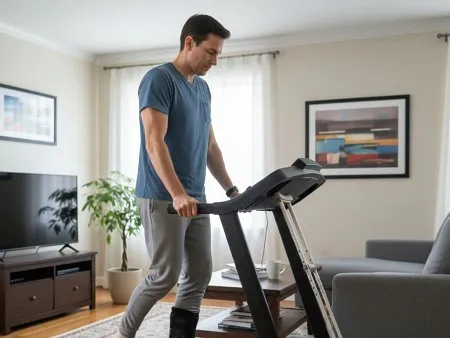
For all its advantages, technology can't replicate everything that happens in a face-to-face physiotherapy session. Hands-on assessment provides information that no app or wearable can capture. The way a joint feels when moved through its range, subtle changes in muscle tone, the quality of movement rather than simple quantity, these require skilled human touch and observation.
Complex cases often need in-person treatment. Someone with multiple injuries, chronic pain conditions, or unusual presentations benefits from the full arsenal of assessment techniques and manual therapy approaches that physiotherapists offer. Video consultations work well for straightforward cases and for monitoring established treatment plans. They're less suitable for initial assessments of complicated problems.
The risk of poor exercise form increases when patients work independently. A physiotherapist in the room can immediately correct technique. Over video, they can provide feedback, but it's not quite the same. And when someone's following an app at home with no supervision at all, there's real potential for exercises done incorrectly to reinforce poor movement patterns or even cause injury.
Digital literacy creates barriers for some demographics. Older adults, who often need physiotherapy most, may struggle with apps and wearable devices. People from lower socioeconomic backgrounds might not own suitable technology. The shift towards digital healthcare risks creating a two-tier system where those comfortable with technology get enhanced care while others are left behind.
Privacy and data security deserve serious consideration. Your movement patterns, pain levels, and health information are sensitive. They're being collected, stored, and transmitted by devices and apps. Who has access to that data? How is it protected? What happens if there's a breach? These aren't hypothetical concerns, healthcare data is valuable and targeted by malicious actors. Patients need assurance that their information is handled responsibly.
There's also the question of data overload. More information isn't always better if it creates anxiety or confusion. Some people become obsessive about metrics, letting their step count or sleep score dictate their mood for the day. Others feel overwhelmed by tracking requirements and disengage entirely. Finding the right balance of monitoring without it becoming burdensome is an ongoing challenge.
The integration of wearable technology and smartphone apps into physiotherapy practice isn't a temporary trend. It's a fundamental shift in how rehabilitation works. As devices become more sophisticated and affordable, and as both practitioners and patients become more comfortable with digital tools, remote monitoring will become standard rather than novel.
The most effective approach combines technology's strengths with traditional clinical expertise. Initial assessments might happen in person, giving the physiotherapist a thorough understanding of the problem. Treatment then continues with a mix of video consultations, remote monitoring, and periodic in-person sessions as needed. Technology handles the routine monitoring and guidance, freeing up clinician time for the complex decision-making and hands-on work that requires their expertise.
AppliedMotion Physiotherapy and Podiatry and other forward-thinking practices are developing hybrid models that give patients flexibility while maintaining quality care. The goal isn't to replace face-to-face treatment but to enhance it, using technology to fill the gaps between appointments and make every interaction more informed and productive.
Your smartwatch might not replace your physiotherapist any time soon, but it's become a valuable member of your recovery team. It keeps you accountable, provides your clinician with useful information, and helps ensure that rehabilitation continues effectively even when you're not in the clinic. That's a pretty good return on investment for something that also tells you the time and reminds you to stand up occasionally.
The Fineducke Team is a group of passionate writers, researchers, & finance enthusiasts dedicated to helping the youth make smarter money decisions. From saving tips, investment ideas to digital income guides, our team works together to bring you easy-to-understand, practical content tailored for everyday life believing financial education should be simple & relatable.






























Leave a Comment:
Please log in to leave a comment.
Comments:
No comments yet. Be the first to comment!