
















Life has a way of surprising you, and not always in a cute way. One day everything is fine, the next day your phone dies, your child needs urgent medication, or your salary delays and suddenly your whole month is upside down. That’s where an emergency fund steps in.
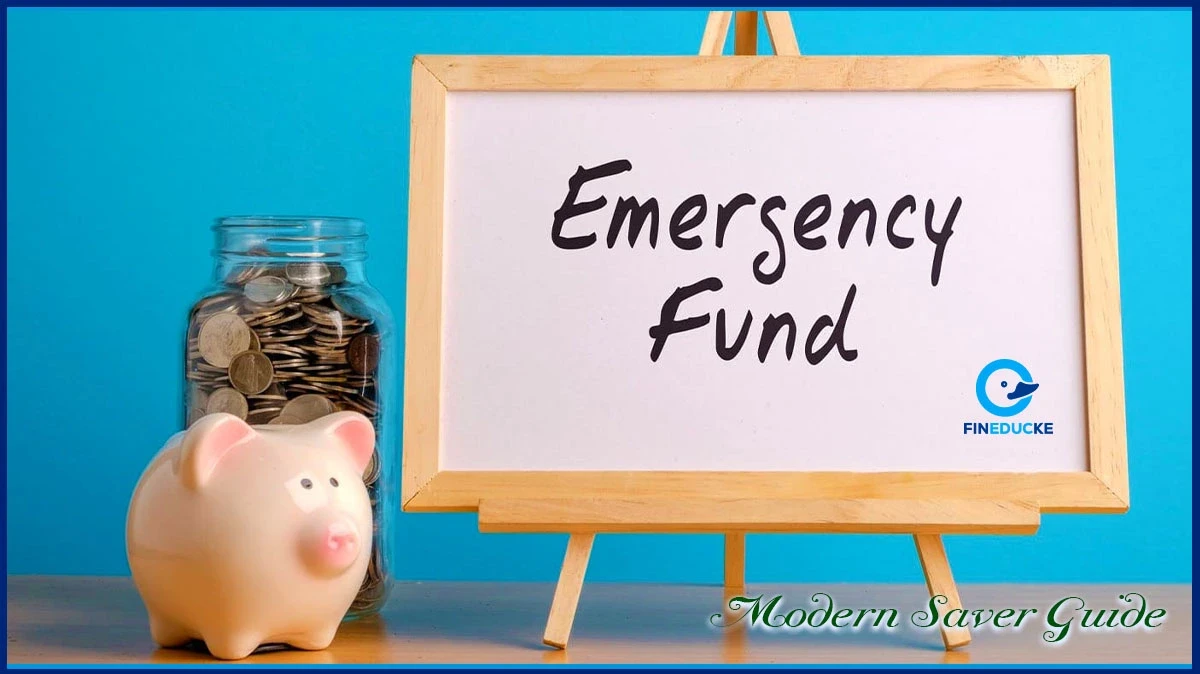
An emergency fund is money that you set aside specifically for unexpected expenses. This is different from sinking funds because it is meant to cover scenarios that are not planned. Not yearly bills nor nor your friend's wedding that you knew it was coming. This is the money that catches you when life throws the kind of curveball you didn’t see coming.
Think of it as your financial airbags. You hope you never need to use them, but you’ll be very thankful they are there when things go wrong.
Instead of going into debt, borrowing from friends, or swiping your credit card in panic, your emergency fund steps in quietly and solves the problem without drama.
Real emergencies are things that:
Examples:
If it’s unexpected and urgent, that’s emergency fund territory.
Ideally, your emergency fund should cover at least 3 to 6 months of your living expenses. But don’t panic about that number. You don’t need to get there overnight.
Start simple:
Even Ksh 50 a day adds up. What matters is consistency, not perfection.
You should save your emergency fund in a place whereby it's:
A separate savings account works. Mobile money savings like M-Shwari Lock or a digital savings platform also work. The goal is for it to be safe and slightly out of reach, so you don’t touch it unless it’s real.
Many get confused between what is an emergency fund and what is a sinking fund.

A sinking fund is for expenses you know are coming.
An emergency fund is for expenses you never saw coming.
Sinking fund = predictable.
Emergency fund = unpredictable.
Both are important because they protect you in different ways. One prevents stress, the other prevents disaster.
Having an emergency fund gives you peace of mind. It gives you space to breathe and think clearly. It gives you options. When you have an emergency fund, you will no longer be reacting to life because you are prepared for it.
And that feeling? That’s financial freedom starting to grow.
If you need help building yours or find challenges saving, start here by reading this modern savers road map. It will guide you step by step on everything related to saving and budgeting.
Your emergency fund is your quiet bodyguard. Build it slowly. Protect it. And let it protect you back.
I’m Clinton Wamalwa Wanjala, a financial writer and certified financial consultant passionate about empowering the youth with practical financial knowledge. As the founder of Fineducke.com, I provide accessible guidance on personal finance, entrepreneurship, and investment opportunities.





























Leave a Comment:
Please log in to leave a comment.
Comments:
No comments yet. Be the first to comment!