
















The past few years haven’t been easy financially. Since 2024, growth has been slow for almost everyone. Costs have gone up and progress has stalled, the same challenges have faced even big companies and economies, the truth is, 2025 was all about surviving and not growing our wealth.
If you’ve entered 2026 confused and afraid that this year will also turn out to be like last year, that’s panic and it will only derail you. What you should know is that you haven’t failed and you are not alone. The environment was tough and there are a lot more people like you out there.
For every problem, there is always a solution, question is: how do you reset your finances after a rough year?
In this guide, I’ll walk you through a 5-step action plan to help you reset, recover, and move forward in a realistic way without blaming yourself and trying to fix everything at once.
Recovering financially after a bad year doesn’t begin with your bank account. It begins with your mindset. Most people’s first instinct is to start looking for new ways to make more money, but that isn’t always the smartest place to start.
After a rough year, what you really need is a reset—and that reset starts in your head. Before focusing on numbers, income streams, or budgets, you need to address how you’re thinking. Self-blame is what holds many people back. When things go wrong, we tend to punish ourselves harshly, replaying every mistake and carrying guilt into the new year.
Yes, maybe you made some wrong decisions last year. But a new year marks a new chapter. This is the time to refocus, repurpose, and set goals that are realistic and achievable. It’s a time to create better plans and stronger strategies.
To do that, you need a clear and sober mind. Letting go of guilt isn’t about ignoring the past—it’s about learning from it without letting it weigh you down. Reset your mindset first, and everything else becomes easier to rebuild.
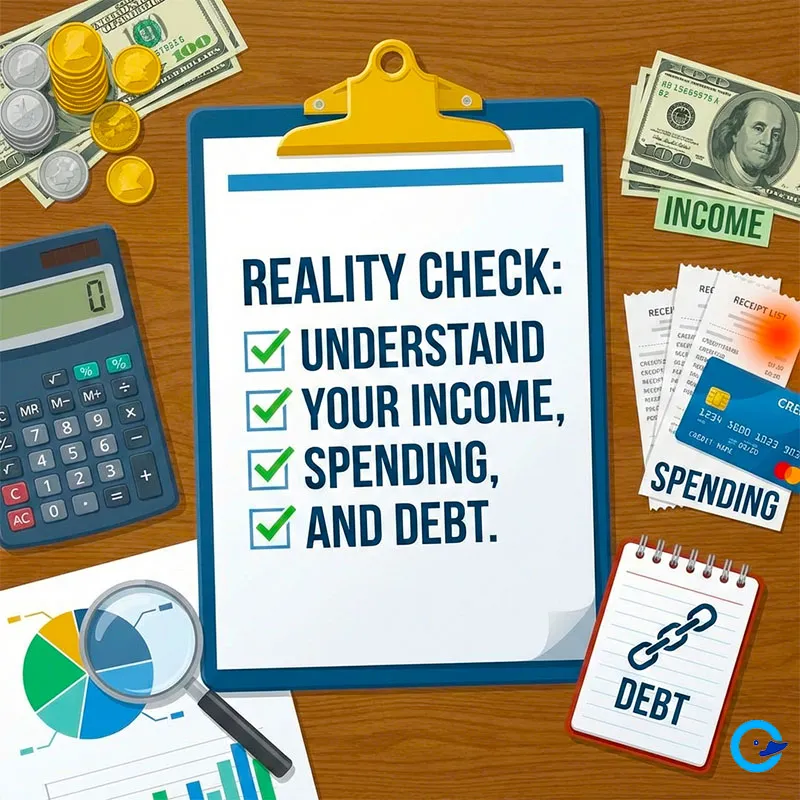
The second step toward recovering financially after a tough year is getting a clear picture of where you stand. At this point, you’re no longer blaming yourself for not making enough money last year, but you may still be afraid to face the facts. There’s no better way forward than confronting them head-on.
Take out all your bank statements, mobile money statements, and list the debts you owe alongside the savings you have. Even if the balance is zero, write it down. This is the moment to create a plan, and the best plan is one that is built on a real understanding of your financial situation.
From the insights you gain here, it becomes easier to see what brought in the most money, where you spent the most, and what needs to be cut back. You may even discover opportunities to increase your income. Once you see the full picture, the path forward becomes much clearer. Check out this guide on 3 step plan to achieve 90%+ of your goals.
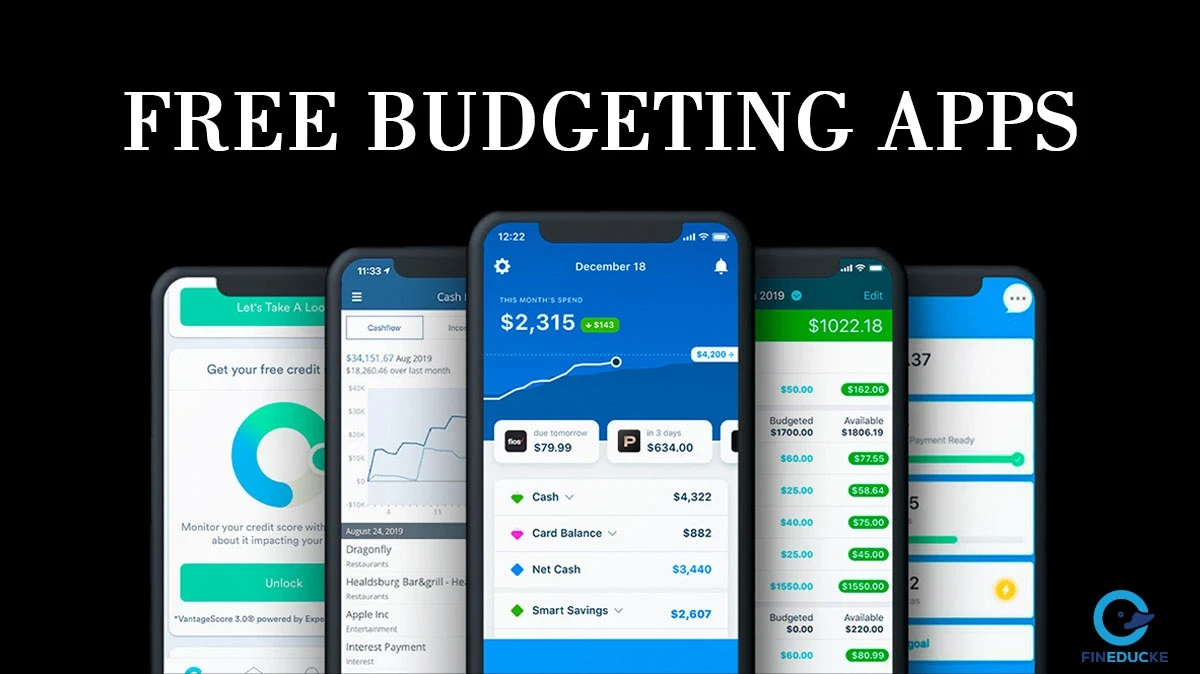
The next step is creating a budget that reflects where you are now, not where you were before things went off track. This is your reset budget. It’s not about restriction or punishment, it’s about control and clarity.
Start by separating your needs from your wants. Look back at where your money went last year and identify the areas where it quietly slipped away without adding real value. These are your money leaks. It could be unused subscriptions, frequent takeout, or impulse purchases. Trim what you can and keep what truly serves you.
From there, set spending limits that feel realistic, not overwhelming. Give yourself one small goal to focus on over the next 30 days, whether it’s saving a certain amount or clearing one small debt. This budget isn’t meant to last forever. It’s simply the bridge between where you are now and where you want to be.
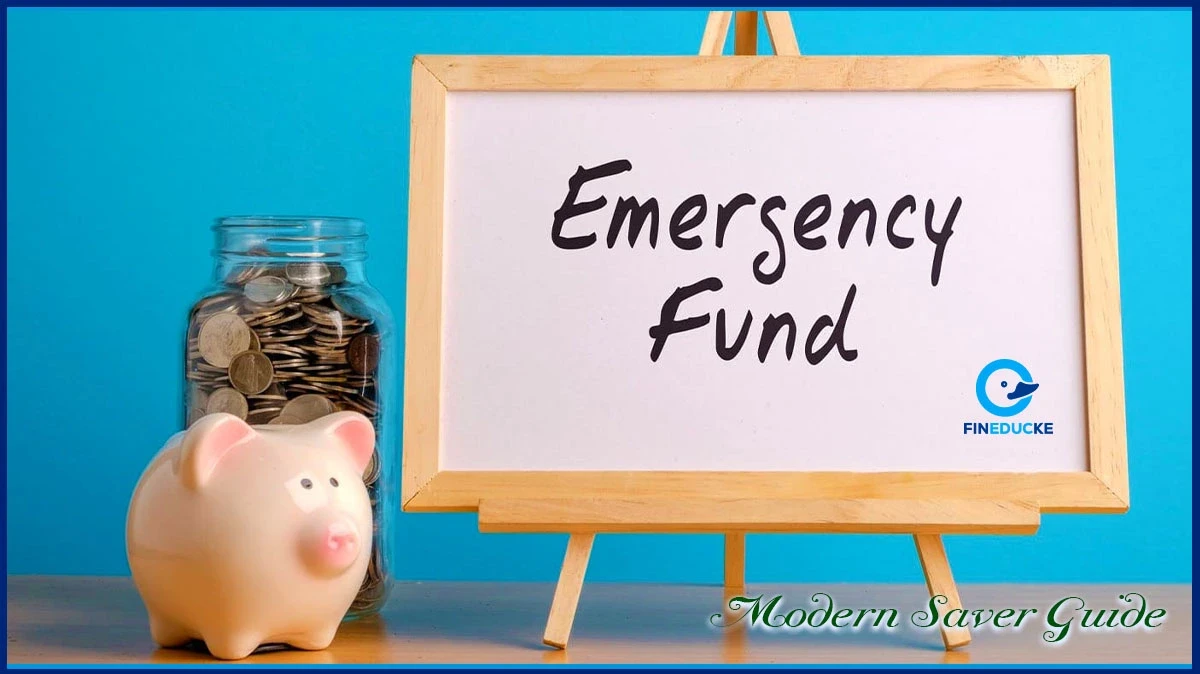
If you withdrew and spent most of your savings last year, or even you did not make enough money to save, this is the time to come up with a better plan. The first savings in your list should be building an emergency fund. It doesn’t have to be a lot of money. It can just be $500; the rule of thumb is saving enough money to last you at least two to four months suppose things don’t go your way. Don’t save for anything else until you have your emergency and sinking funds in place.
What matters most is consistency. Even small, steady contributions add up. Saving just $20 a week turns into over $1,000 in a year. Build this into your budget and automate it if possible. This buffer will help you stay afloat when life throws unexpected challenges your way and reduce the need to rely on borrowing or credit cards during emergencies.

Trying to fix everything at once can quickly become overwhelming. Instead, narrow your focus and choose a few clear goals to work toward over the next 3, 6, and 12 months.
For example:
Remember, for you to achieve smart goals, each goal should be specific, measurable, and achievable with your current income. As you reach each milestone, you build confidence and momentum, making the next goal feel more attainable.
We have now come to the end, I hope you are feeling much better, maybe you have even started having ideas on how you are going to recover your finances this year. Remember, blame game will hurt you more than it can help. Reset your mindset, after that, with a clear head understand your financial health; income, debt and expenses, and then, build a realistic budget and start saving for your emergency fund. When things are coming along as expected, create new goals and refine already existing ones.
The Fineducke Team is a group of passionate writers, researchers, & finance enthusiasts dedicated to helping the youth make smarter money decisions. From saving tips, investment ideas to digital income guides, our team works together to bring you easy-to-understand, practical content tailored for everyday life believing financial education should be simple & relatable.



























Leave a Comment:
Please log in to leave a comment.
Comments:
No comments yet. Be the first to comment!