



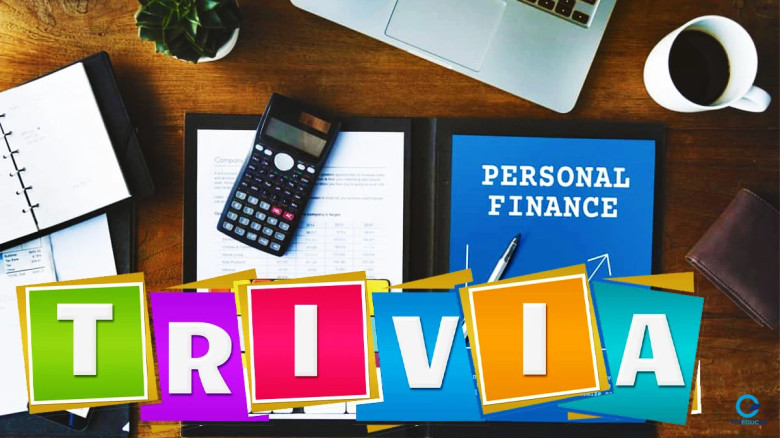












Paying yourself first is a habit that can change your financial life for the better. It’s actually very simple, when you make money, lets say through income, you save and invest part of this money first before spending on any other bills. I like referring to this particular habit as making yourself the first bill.
By doing this, you make sure that your future self is taken care of before you handle other bills or expenses.
The biggest benefit of paying yourself first is that it helps you build financial security. After paying yourself first, you'll always be certain that no matter what, you’ve already saved money.
Along with that, it also reduces money-related stress, helps you improve your spending habits, and most importantly, it enhances your ability to grow your wealth.
When you get into the routine of paying yourself first, you’re not just saving; you’re investing in a more secure and financially free future.
It is a common norm in the society that we should pay our bills and cover all our expenses before saving the leftover. However, things need to change, you should always come first.
When you pay other bills than you
first, there are high chances that there will be little or no money remaining
to save or invest thus leading to financial instability. If you choose to pay
yourself first, the script if flipped and you will determine how much you want to
save or invest and even both.
1. Pay yourself First by Automating Your Savings: If you want to pay yourself first, one of the best strategies is automating your savings.
You can set up automatic transfers from your checking to your investment or saving accounts. Automation will help you eliminate the temptation of spending the money thus making saving a seamless facet within your financial routine.

2. Determine a Fixed Percentage: another way you can be paying yourself first is by deciding on a fixed percentage of the money that you make that you will save or invest each month.
This could be any figure for instance, 10%, 20%, or whatever percentage that fits your financial situation. You don’t need to save much, what you only need is consistency and growth. Over time, even small percentages can grow into substantial savings.
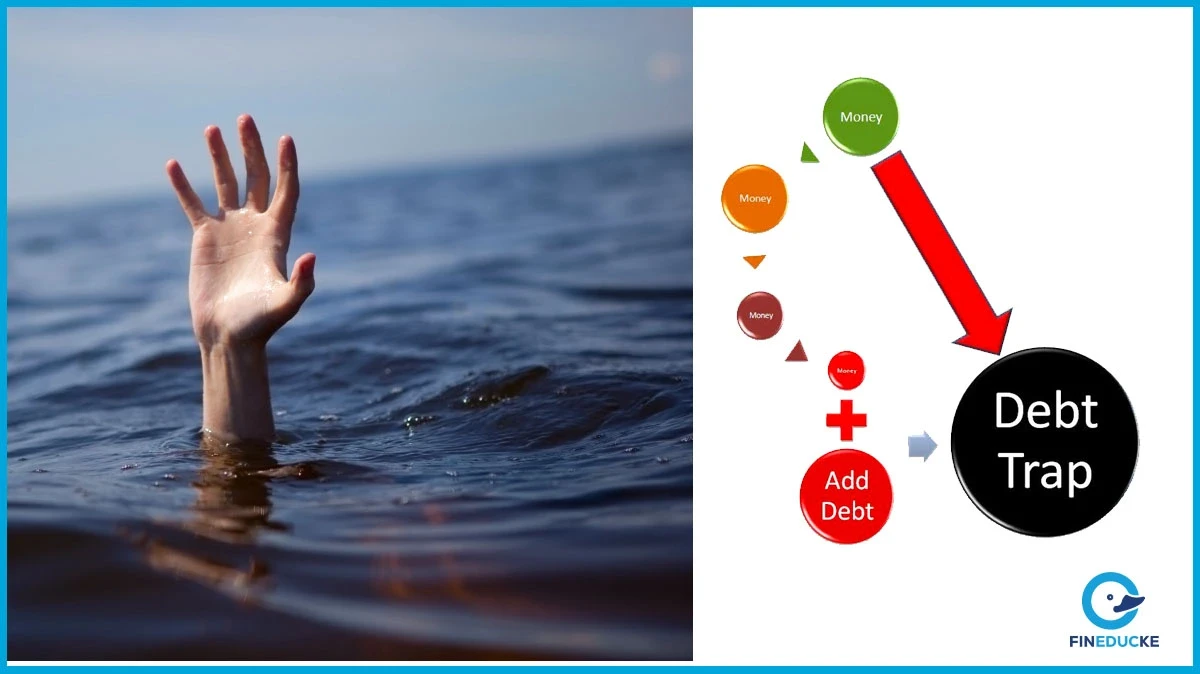
3. Prioritize High-Interest Debt: If you have high-interest debt, such as credit card debt, pay it off first, followed by your savings. High-interest debt can quickly destroy your financial success, so it's critical to address it aggressively while also saving for the future.
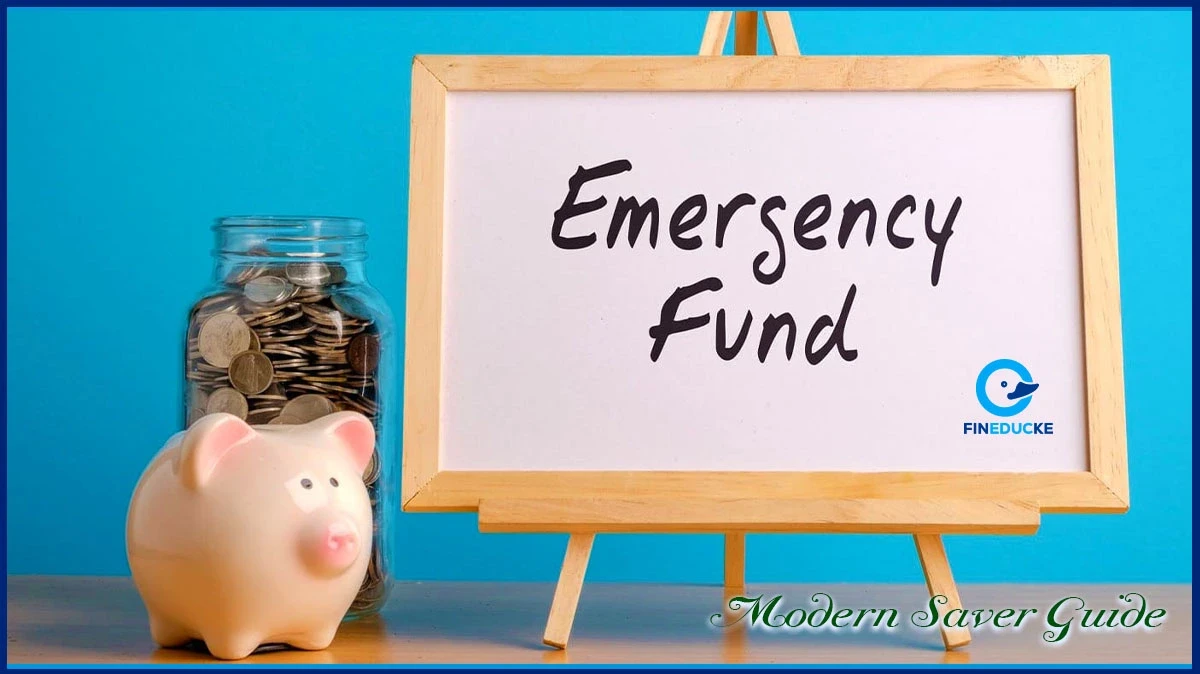
4. Set Clear Financial Goals: Having clearly defined goals might help you stick to your savings plan. Whether it's creating an emergency fund, saving for a down payment on a house, or investing for retirement, understanding what you're working toward can help you stay focused and disciplined.
Paying yourself first has many benefits:
In conclusion, paying yourself first is a simple but highly
effective technique for gaining financial independence. Making savings and
investing a key priority will help you build a solid financial future and enjoy
the peace of mind that comes with knowing you're in charge of your finances.
Begin today and watch your financial situation improve substantially.
I’m Clinton Wamalwa Wanjala, a financial writer and certified financial consultant passionate about empowering the youth with practical financial knowledge. As the founder of Fineducke.com, I provide accessible guidance on personal finance, entrepreneurship, and investment opportunities.


























Leave a Comment:
Please log in to leave a comment.
Comments:
No comments yet. Be the first to comment!