

















Africa’s wealth story is changing. Fast. The error of our continent being underestimated is over. Did you know that we now have 22 billionaires listed on Forbes rankings?
What’s shocking is the fact that they control a combined fortune of $105 billion.
Okay,
Let’s recap, based on Forbes’ 2025 Africa Billionaires Report, the number of African billionaires rose from 20 to 22 between 2024 and 2025, while their total wealth jumped from $82.4 billion to $105 billion in the same period.
For a continent that’s known for tough terrain; political uncertainty, currency crises, consumer markets that move slowly, these figures are more than just numbers, they are a signal.
Fact is, Africa now has the fastest-growing billionaire classes in the world. And at the center of that story sits Nigeria, home to Aliko Dangote, the richest man in Nigeria and the African continent.
In this post we will explore what’s behind Nigeria’s rise in this billionaire boom?
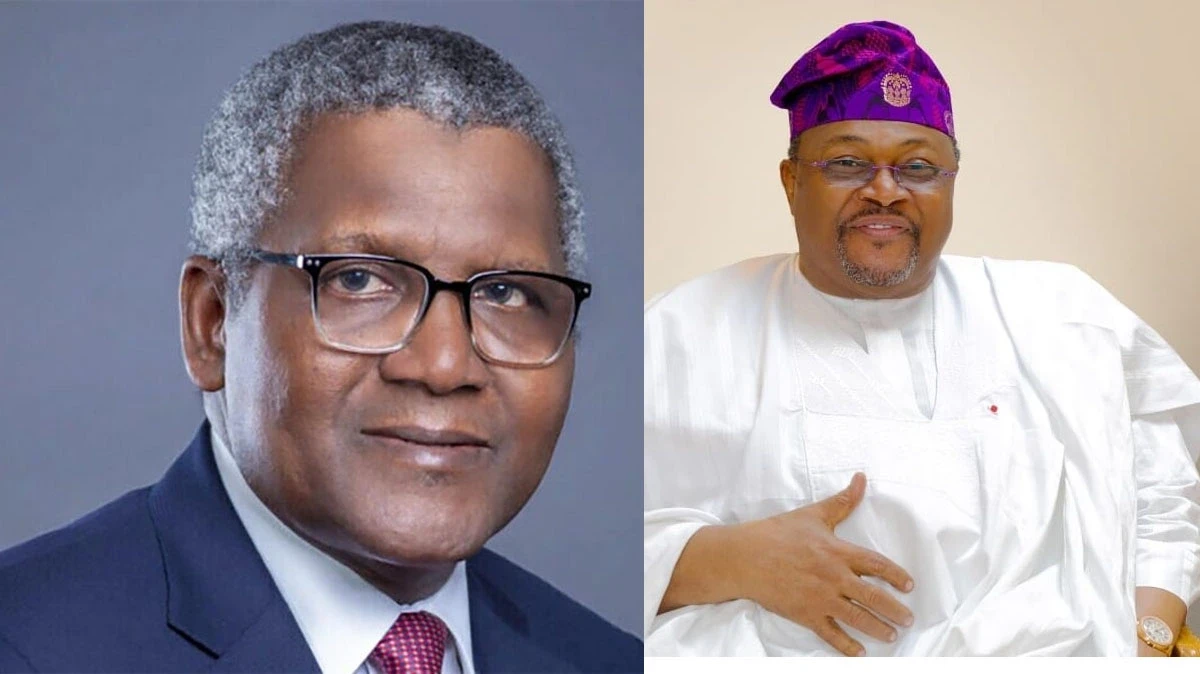
For the 14th consecutive years, Aliko Dangote continues to hold the title of the richest man in not only Nigeria but the African continent.
Recent data from credible sources like Forbes, Bloomberg, Fineducke and Business Insider Africa report his net worth at $23.9 billion. Its woth noting that the long-delayed refinery on the outskirts of Lagos is finally operational. This marks a turning point for Nigeria’s oil industry.
For decades, the country exported crude and imported refined fuel. Now, thanks to Dangote, the cement mogul turned refinery pioneer, that story is changing, and not only for Nigeria but Africa at large.
Dangote’s story isn’t the only one. Nigeria’s billionaire class includes names like Abdulsamad Rabiu and Mike Adenuga. Both of whom are making moves in different sectors but mainly manufacturing, telecoms and infrastructure.
Take the case of Rabiu’s BUA Group. The holding has expanded in cement and consumer goods. On the other hand, Adenuga has deep roots in telecom and oil.
These names might dominate the headlines, but their deeper significance lies in their influence in Africas economy, it’s apparent that there is a shift in how African wealth is being built.
Each of these top 4 Nigerian billionaires examined has one thing in common:
They didn’t just build companies, instead they built industries and transformed those companies to be the backbone of Nigeria’s economy. Right now if you are living in Nigeria, avoiding their products is almost close to impossible.
For instance,
This is a critical lesson for the next generation of African entrepreneurs who often chase trends instead of systems.
If you look closer at the richest man in Nigeria and the other 3, this new billionaire map tells us where opportunity still lives:
If you want to join the list of the richest Nigerians, then you have no option but to create value and build what the economy needs. This can be power, cement, telecoms, and logistics.
You can also focus on solving structural problems and always thinking the long term game considering that most of these fortunes took decades to compound.
Diversify across sectors and downward-chain opportunities. Cement, refinery, telecom. Remember, these are sectors where Nigeria’s billionaires operate. There’s still untapped opportunity around these big industries especially in lower layers e.g logistics, supply, maintenance, tech, and distribution.
The number of billionaires is still tiny. There were only 22 African billionaires in 2025. That means this elite club is small. There is opportunity for new players. However, strategy and clarity is needed to join Africa’s richest class.
While South Africa still has the most billionaires (seven), Nigeria’s four stand out for another reason, most of them are first generation industrial builders and not inheritance holders. Their wealth is tied to manufacturing, telecoms, and energy. These are sectors that form the base of real economic growth.
This evolution marks something deeper: Africa’s move from resource extraction to value creation. For decades, our economies exported raw materials and imported finished products. Now, we’re watching African-owned factories, refineries, and power plants rise to fill that gap.
That’s why the success of Nigeria’s billionaires isn’t just about prestige but rather proof that industrialization is possible when private capital takes the lead.
As 2026 approaches, one question lingers: can Nigeria’s billionaire class trigger a broader wave of sustainable wealth? If history is any guide, it’s already happening.
Their businesses employ thousands, supply millions, and set the stage for new ventures in fintech, agriculture, and infrastructure. The next wave of African billionaires will likely come from those who study this pattern, seeing value where others see volatility.
For a deeper dive into Nigeria’s wealth leaders and their industries, consider reading this detailed breakdown of the richest people in Nigeria. The article incorporates in-depth data on net worth, sectors, and company growth in regard to Nigeria’s wealth magnates.
I’m Clinton Wamalwa Wanjala, a financial writer and certified financial consultant passionate about empowering the youth with practical financial knowledge. As the founder of Fineducke.com, I provide accessible guidance on personal finance, entrepreneurship, and investment opportunities.






























Leave a Comment:
Please log in to leave a comment.
Comments:
No comments yet. Be the first to comment!