




















Starting a Bolt business in Kenya can be a profitable
venture, given the growing demand for affordable and reliable transportation in
cities like Nairobi, Mombasa, and Kisumu. Whether you plan to drive the vehicle
yourself or manage a fleet, this guide will walk you through the steps
necessary to start a Bolt business in Kenya.
1. Research the Market
Before starting your Bolt business, it’s essential to
understand the Kenyan ride-hailing market. Bolt is one of the leading
platforms, but it faces competition from Uber and Little. Researching the
market will help you identify the demand in your target area, set competitive
pricing, and identify opportunities to differentiate your service.
2. Meet Bolt's Vehicle Requirements
Bolt has specific vehicle requirements that your car must
meet to be eligible for the platform. Generally, the vehicle should:
Popular vehicle models that are accepted by Bolt in Kenya
include:
It’s important to check the latest vehicle requirements on
Bolt Kenya’s official website before acquiring a vehicle.
3. Obtain the Necessary Licenses and Permits
To legally operate a ride-hailing service in Kenya, you need
to acquire several licenses and permits:
These licenses ensure that your Bolt business complies with
Kenyan regulations.
4. Register with Bolt
Once you have a vehicle that meets Bolt's requirements and
the necessary permits, you can register as a driver or fleet owner. The
registration process involves:
After successful registration, you’ll be ready to start
accepting ride requests.
5. Install the Bolt Driver App
The Bolt Driver app is the primary tool you’ll use to manage
your business. It allows you to receive ride requests, navigate routes, and
track your earnings. Take the time to familiarize yourself with the app’s
features and settings to use it effectively.
6. Consider Financing and Insurance
If you don’t already own a vehicle, you may need financing
to purchase one. Several Kenyan banks and financial institutions offer loans
tailored for ride-hailing businesses. Compare different options to find the
most favorable interest rates and repayment terms.
Comprehensive insurance is also crucial for your Bolt
business. Your policy should cover third-party liabilities, passengers, and any
potential damage to your vehicle. Many insurance companies in Kenya offer tailored
packages for ride-hailing vehicles.
7. Hire Drivers (If Operating a Fleet)
If you plan to operate a fleet, you’ll need to hire reliable
drivers. When hiring, consider the following:
Effective driver management is key to running a successful
fleet.
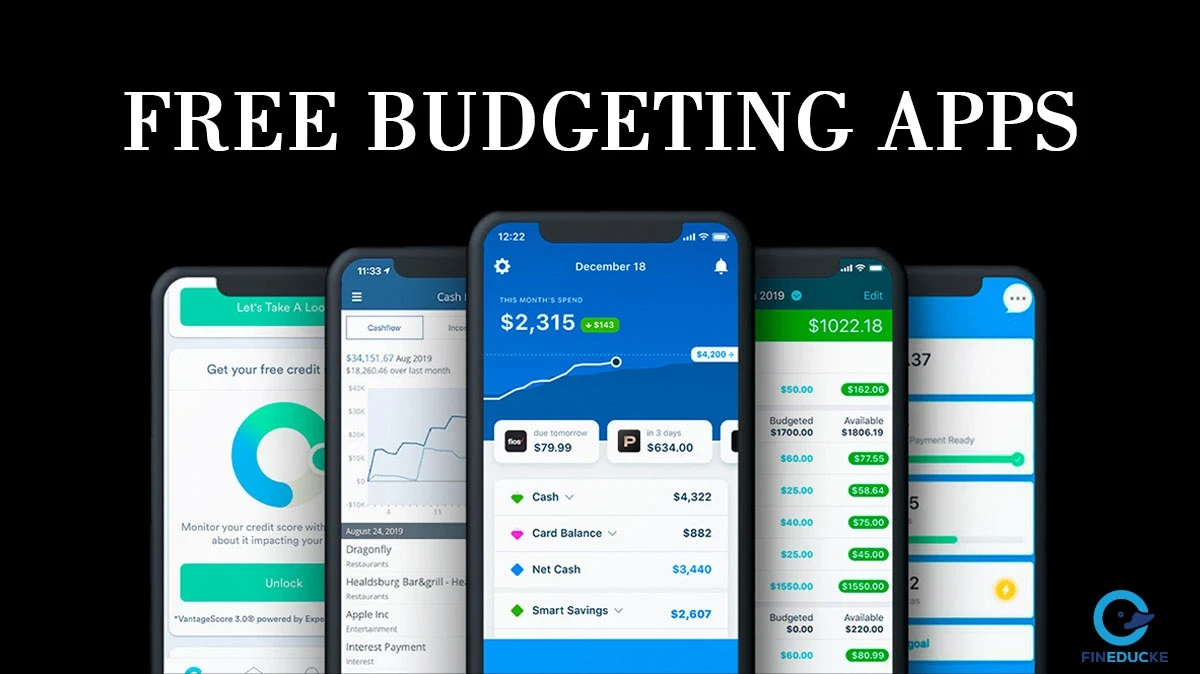
8. Manage Your Finances
Managing your finances is essential for the success of your
Bolt business. Keep track of your income, expenses, and profits. Consider using
accounting software to help with budgeting, tax preparation, and financial
reporting.
9. Market Your Bolt Business
While Bolt itself generates ride requests, you can take
additional steps to promote your business:
10. Stay Informed
The ride-hailing industry is constantly evolving. Stay
informed about changes in regulations, Bolt policies, and market trends.
Joining online forums or local driver communities can help you stay updated and
connect with other Bolt drivers.
Conclusion
Starting a Bolt business in Kenya requires careful planning,
investment, and adherence to regulations. By following these steps, you can
position yourself for success in the competitive ride-hailing market. Whether
you’re a solo driver or a fleet owner, focusing on quality service and
efficient operations will help you maximize your earnings and grow your Bolt
business.
I’m Clinton Wamalwa Wanjala, a financial writer and certified financial consultant passionate about empowering the youth with practical financial knowledge. As the founder of Fineducke.com, I provide accessible guidance on personal finance, entrepreneurship, and investment opportunities.































Leave a Comment:
Please log in to leave a comment.
Comments:
No comments yet. Be the first to comment!