




















Let’s be real, vacations don’t come cheap. Whether it’s a trip to Diani Beach or a Euro tour you’ve been dreaming about since the high school days, traveling requires money. And not just for the ticket and hotel. There’s:
Don’t forget those random just-in-case expenses that always pop up.
But here is the good news? You don’t have to win the lottery or wait five years to afford that dream holiday. With the right strategies of a modern saver and a little patience, you can make it happen.
If you’ve got six months to plan and save, that’s plenty of time. Here’s a practical, no-nonsense guide to help you save money for a vacation in six months, without feeling broke every step of the way.
Before you even start saving, you need to know what you're saving for. Pick a destination, yes even if its somewhere local, it doesn’t have to be international. Research the costs.
Break it down like this:

Let’s say your vacation will cost you $1,800 in total. Over six months, that means you need to save $300 per month.
Knowing the numbers gives your brain a target. Without it, you’re just wishing, not planning.
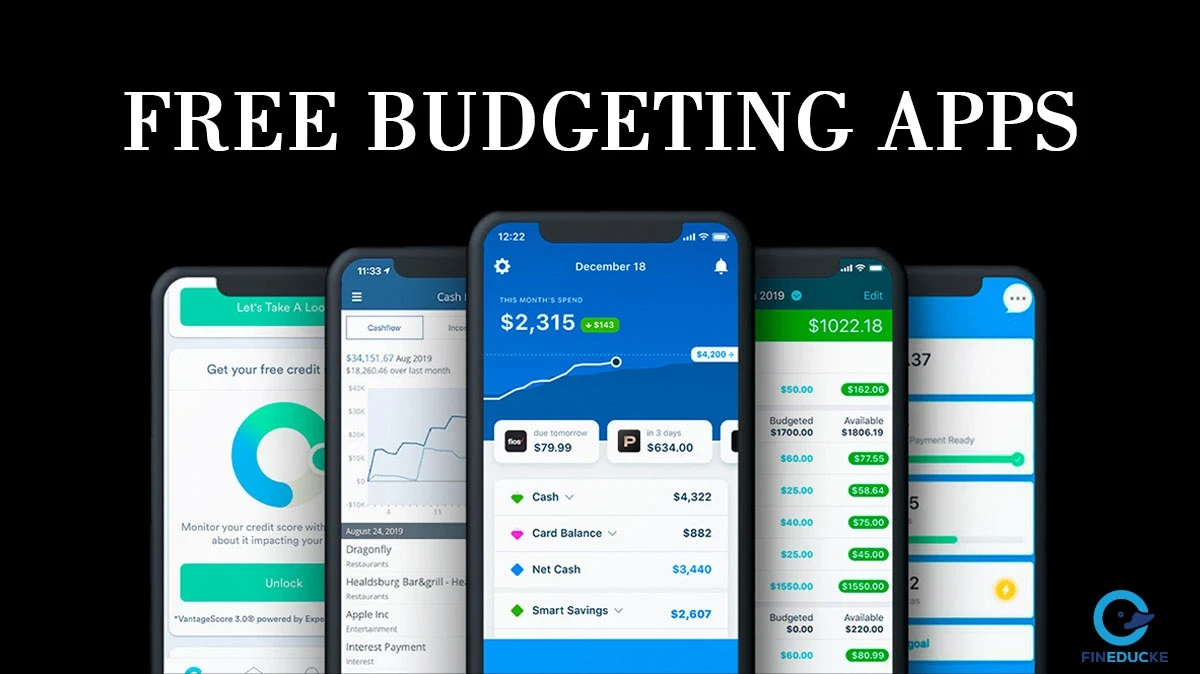
Don’t complicate this. You can go the old way, write on a book, use a notebook, or go modern; open a Google Sheet, or get a free budgeting app like Mint or Emma. Your goal is to look at your monthly income and expenses.
Ask yourself:
For example:
Once you see your numbers clearly, it’s easier to free up $300, $100 or whatever your goal is each month.

Psychology plays a big role in saving. If your savings sit in the same account as your spending money, guess what? You’ll probably spend it.
Open a separate savings account labeled “Vacation Fund 2026.” Don’t touch it. This simple move makes your vacation feel real, and watching the balance grow is honestly very motivating.
Better yet, pick an account that earns interest, in this case you can choose, a high-yield savings account or a money market account if available in your region.
Don’t rely on willpower. Automate it. Set up a standing order or direct deposit so that part of your income (e.g. $300 or $100 every payday) goes straight into your vacation fund.
Think of it like paying a bill to your future self. The less you have to think about it, the more consistent you’ll be.
If you get paid weekly, even better, what do you do? split your monthly goal into weekly chunks and send it to the vacation fund. That’s just $75 per week for a $1,800 goal. Sounds more doable, right?
If your current income doesn’t allow for that level of saving, no pressure—it just means you need to boost your income.
Some ideas:
Even an extra $100–$200/month from a side hustle can fast-track your savings big time.

Challenges are a fun way to gamify the process. Try one of these:
The key is to make it fun and track your progress. Visual trackers or progress bars can make it feel like a game you’re winning.
Even while saving, be smart with your future spending:
You can have a luxurious experience on a budget if you plan wisely. Being broke isn’t what makes a trip unforgettable, trust me, it’s the memories, not the money. This isn’t romantizing being broke but we have to have fun regardless, right?
It’s easy to start strong and then lose steam halfway. So build accountability into your plan.
And if you fall behind one month? Don’t quit. Just adjust. Add a little more next month or extend your timeline slightly. Progress is progress.
Saving for a vacation doesn’t mean living like a monk. It means being intentional with your money, cutting back where it makes sense, and focusing on a goal that excites you.
Six months from now, you could be boarding that flight, sipping a coconut by the beach, or hiking through the hills, knowing it’s fully paid for. No credit card regrets. Just pure joy.
So start today. Your dream vacation isn’t far. With the right mindset and this step-by-step plan, you’ll get there; one smart move at a time.
I’m Clinton Wamalwa Wanjala, a financial writer and certified financial consultant passionate about empowering the youth with practical financial knowledge. As the founder of Fineducke.com, I provide accessible guidance on personal finance, entrepreneurship, and investment opportunities.





























Hello fineducke.com Administrator!