
















Mombasa has long been one of East Africa’s most important
commercial cities, powered largely by trade flowing through the Port of Mombasa.
Over the decades, this strategic gateway has helped create powerful business
fortunes in sectors such as grain milling, logistics, real estate,
manufacturing, and regional trade.
This 2026 ranking highlights the ten richest individuals and
families connected to Mombasa, based on available information about business
ownership, assets, shareholdings in private and public entities, and the
estimated valuation of dominant family-owned conglomerates
Estimated Net Worth: $2.4 Billion
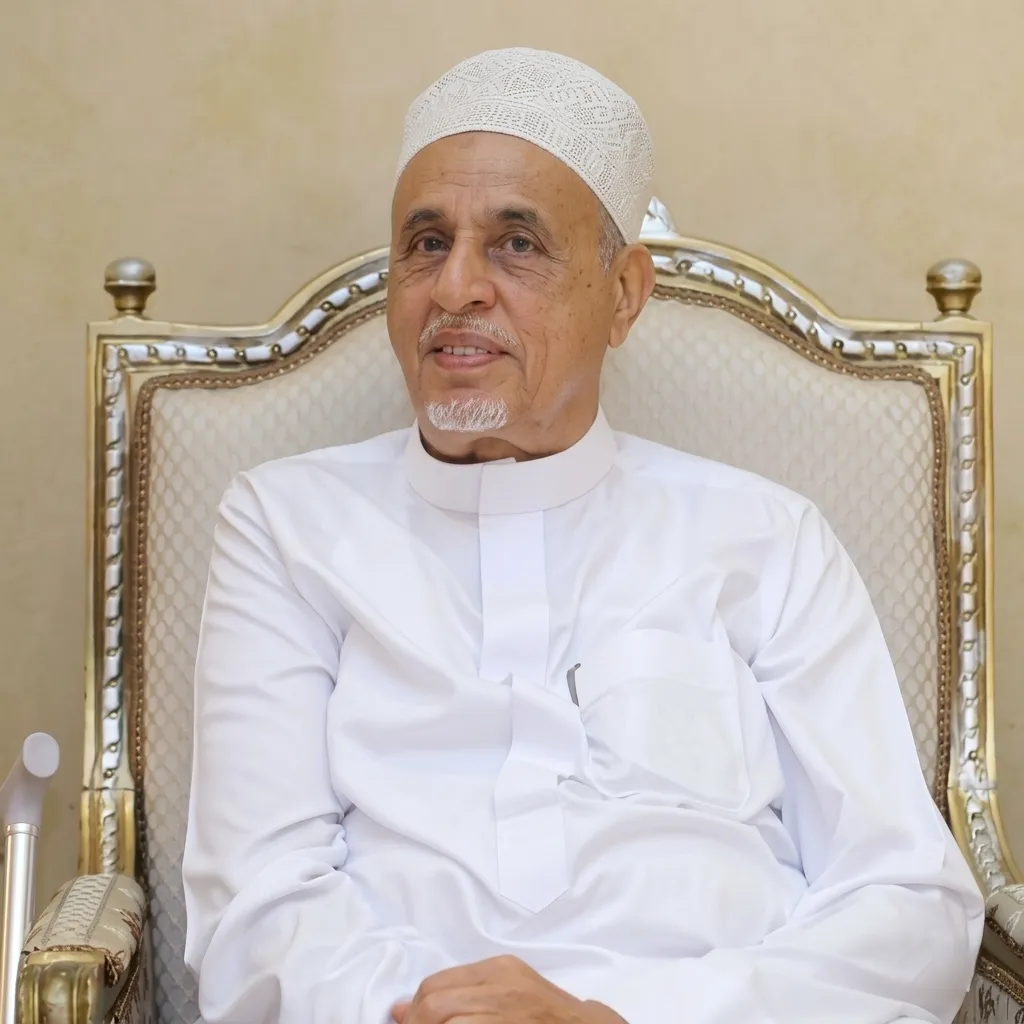
Salim Taib stands at the pinnacle of Mombasa’s wealth
hierarchy, presiding over an empire that controls a significant portion of the
East African food supply chain. His primary vehicles for capital accumulation, Kitui
Flour Mills and Pembe Flour Mills, are integrated logistical entities that
manage the import, processing, and distribution of staple grains across Kenya,
Uganda, and Tanzania.
Taib is a primary beneficiary of the "Blue
Economy," specifically the use of massive cargo ships that remain in high
seas awaiting optimal market conditions. His ability to ship 29,900-ton
consignments of maize directly into the Port of Mombasa provides a massive
competitive advantage.
Taib’s influence extends into shipping and logistics, where
he partners with international firms to manage the complex route from North
America or Mexico to the East African coast. His regional reach, with mills in
Tanga, Tanzania, and multiple locations in Uganda, ensures that his wealth is
diversified across different currency and regulatory environments.
Estimated Net Worth: $2.1 Billion
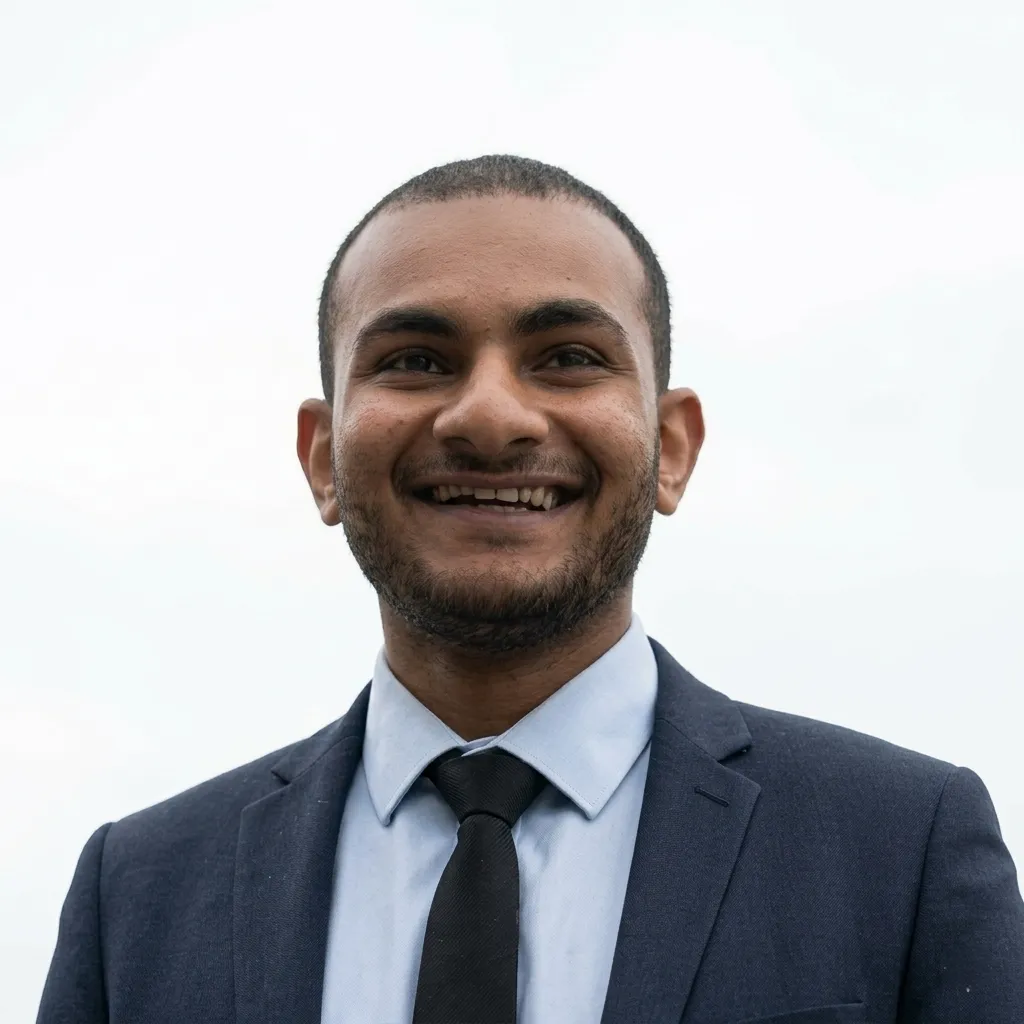
Mohammed Islam Ali is a cornerstone of coastal industrial
wealth, having co-founded Mombasa Maize Millers (MMM) in 1978. While he
operates alongside his family, he remains the central figure in an enterprise
that maintains a near-monopolistic grip on local coastal distribution networks.
In 2026, Ali's wealth is increasingly tied to the
modernization of the Port of Mombasa. As the port expanded its capacity to 2.11
million TEUs in 2025, Ali optimized his bulk handling capabilities, reducing
the turnaround time for his grain silos. He has also diversified into logistics
and warehousing through Transmara Logistics Ltd, which services third-party
logistical needs for other coastal businesses. Controlling the ship, the silo,
the mill, and the truck ensures a high-margin operation that continues to grow
despite inflationary pressures.
Estimated Net Worth: $1.6 Billion
Suleiman Shahbal represents the modern face of coastal
wealth, blending over 23 years of international banking expertise with
aggressive real estate development. As the founder and chairman of GulfCap
Group, Shahbal has positioned himself as a leading developer in the Kenyan
housing sector. His net worth has seen a significant surge in 2026 due to the
successful completion of the Buxton Point project in Mombasa, a Sh 6 billion
development recognized as one of the best affordable housing projects in
Africa.
Despite a reported Sh 450 million loss in the initial phase
of Buxton Point due to rising global steel prices and soil fortification
challenges, Shahbal’s long-term strategy of leveraging banking expertise has
paid dividends. His firm, GulfCap Real Estate, recently secured a Sh 13 billion
contract for housing units in Nairobi, signaling a nationwide expansion of his coastal
capital. Shahbal’s wealth is also anchored in significant shareholdings in
GulfCap Group and Gulf Investments Limited, entities involved in establishing
financial institutions across the Middle East and India.
Estimated Net Worth: $850 Million
Ali Hassan Joho, the former Governor of Mombasa and Cabinet
Secretary for Mining and Blue Economy, exemplifies the synergy between maritime
commerce and policy influence. During his 2024 vetting, Joho disclosed a
personal net worth of KSh 2.36 billion, derived from his share of various
properties and family businesses.
Joho’s primary personal assets include shareholdings in
Autoports Freight Terminals Limited and Portside Freight Terminals Limited,
which are critical hubs for clearing and forwarding at the Port of Mombasa. By
2026, he has transitioned his focus toward the "Blue Economy,"
leveraging high-value homes and undeveloped properties in Mombasa, Vipingo,
Malindi, and Nairobi into a high-yield real estate portfolio. His business
model relies on high-volume logistics contracts and the appreciation of prime
coastal land, making him a central figure in the city’s economic future.
Estimated Net Worth: $800 Million
Hasmukh Patel is the industrialist behind Mombasa Cement,
one of the most prolific manufacturing entities in the region. In 2026, Patel’s
net worth is underpinned by the construction boom fueled by the Dongo Kundu
Special Economic Zone and the government’s affordable housing agenda. Cement
production and consumption increased by over 13.9% in late 2025/2026, directly
benefiting his operations.
Patel’s influence is also defined by his extensive
philanthropy, which serves as a strategic social license for his heavy-industry
operations. By maintaining a dominant position in the cement and steel markets,
Patel benefits from the infrastructure-led development model. His wealth is
highly correlated with the $2.9 billion LNG power plant and other
energy-intensive projects at Dongo Kundu, which promise to lower manufacturing
costs.
Estimated Net Worth: $700 Million
Rashid Sajjad Mohammed, a prominent figure from the KANU
era, has built an enduring conglomerate known as the Milly Group. He owns eight
firms with interests spanning warehousing, real estate development, and
agribusiness. Key entities include Pwani Warehousing and Saku Development.
Sajjad’s wealth strategy involves securing essential infrastructure
for the port’s value chain while maintaining a low profile. His warehousing
firms, such as Airport Warehousing and Pwani Warehousing, benefited from the
19.5% surge in transit cargo recorded in 2025. By 2026, he has diversified into
"plug-and-play" factory plots within the new special economic zones,
ensuring long-term relevance in the city’s industrial future.
Estimated Net Worth: $600 Million
Samir Naushad Merali, the heir to the Sameer Group,
represents the "digital future" of coastal and national wealth.
Inheriting the group from his late father, Naushad Merali, Samir has overseen a
pivot toward green energy, tech startups, and telecommunications. While much of
the group’s activity is centered in Nairobi, its coastal real estate and
manufacturing interests remain foundational.
In 2026, Samir is seen as a bridge between the traditional
billionaire class and the emerging tech-savvy elite. His wealth is highly
diversified, including former shares in Airtel Kenya and interests in finance
and agriculture. The group's entry into the green energy space aligns with the
government's Sh 375 billion bet on transition fuels at Dongo Kundu, positioning
the Merali fortune for sustained growth.
Estimated Net Worth: $550 Million
The fortune associated with Awadh "Swaleh Nguru"
Sherman represents the enduring power of land ownership on Mombasa Island. At
the time of his death, Sherman's net worth was reported to be well over KSh 2.5
billion, built primarily on his ownership of one-third of Mombasa Island,
specifically the Majengo area.
By 2026, this wealth has remained concentrated through the
systematic subdivision and sale of prime subplots and continued investments in
ranching and sisal. Despite long-standing legal disputes over the distribution
of the riches, the underlying landholdings remain among the most valuable in
the region. This individual's legacy serves as a case study for real estate as
a primary asset class in the coastal economy, where land acts as a hedge
against market volatility.
Estimated Net Worth: $500 Million
The late Tahir Sheikh Said, commonly known as TSS, was once
one of the largest land owners in Kenya, and in 2026, the holdings associated
with his name remain a formidable force. The centerpiece of this wealth is the
TSS Towers, a landmark commercial property in the heart of Mombasa City. Beyond
real estate, the holdings include significant interests in Unga Millers and
Transmara Logistics Ltd.
While the management of these assets has faced challenges
since TSS’s passing, the sheer scale of the landholdings ensures a top position
on the 2026 list. In a market where prime coastal real estate remains highly
valued, these holdings act as a major landlord for commercial and industrial
tenants. The wealth is being refined to meet the demands of the modern logistics
sector that supports the port’s record-breaking throughput.
Estimated Net Worth: $450 Million
Sunil Shah, associated with United Millers, represents the
second tier of Mombasa’s agribusiness elite. His wealth is built on the
processing and distribution of essential commodities, mirroring the success of
the Taib and Ali families but on a more localized scale.
In 2026, Shah has benefited from the increased regional
trade with Uganda and the DRC, which grew by 25.2% and 16.5% respectively in
2025. His milling operations are integrated with the Northern Corridor’s
transport infrastructure, allowing him to capture a steady share of the
regional food market. By focusing on "ownership and banking leverage,"
Shah has maintained a stable financial trajectory despite the challenges in the
broader manufacturing sector.
The fortunes of Mombasa’s richest individuals reveal a clear
pattern: control of essential infrastructure, strategic land ownership, and
diversified portfolios drive coastal wealth. Grain milling, port logistics,
real estate, and industrial manufacturing remain the primary engines, while
emerging sectors like green energy and tech are slowly shaping the next
generation of elites. The Port of Mombasa acts as a critical multiplier,
linking trade, logistics, and industrial operations. Across decades, the city’s
wealthiest have combined traditional industries with strategic investments,
showing that dominance in core sectors and foresight in emerging markets remain
the keys to sustaining and growing fortunes on the Kenyan coast.
I am Eddah, a professional blogger specializing in wealth analysis and financial insights. As a contributor to Fineducke.com, I explore the world’s richest individuals, their net worth, and financial moves shaping economies. With a keen eye for detail, I turn complex data into engaging, easy-to-read content that informs and inspires


























Leave a Comment:
Please log in to leave a comment.
Comments:
No comments yet. Be the first to comment!