




















Saving is complex than many people think. Yes, it includes cutting costs and putting money aside. However, this is just a sneak peek and not the entirety of what saving wholly entails.
In this modern age, saving has changed immensely but still the goal of creating financial freedom remains at the center.
If you are interested in understanding saving from a third eye perspective, this article acts as the best starting point of a modern saver.
Lets start with the basics as we build up to advanced facets of modern saving.
If you’ve ever thought you need a lot of money to start saving or that saving means denying yourself fun and enjoyment then you’ve been misled.
Those are just outdated beliefs. And this is your wake-up call.
Traditionally, saving is defined as “setting aside money for future use” or “income that has not been spent.” Economics textbooks go a step further and say it’s income not used for immediate consumption, sometimes even linking it to the idea of cutting back on expenses.
But let’s be honest, that definition is way too narrow for the world we live in today.
In modern life, saving is no longer just a good money habit. It’s a life strategy.
Saving is the act of assigning a portion of your income to your future self so that you can live with more freedom, more peace, and more intention.
For us modern savers, it’s not just about retirement or emergencies like our parents did. In todays world, saving can mean:
In short: saving is no longer just about surviving, it’s about designing the life you want.
It’s not a sacrifice. It’s a statement.
A bold declaration about your values, priorities, and goals. Picture it like this, when you are saving, its like you're telling the world and yourself;
I’m intentional about how I live, and I’m willing to delay small pleasures for bigger wins or rather:
Saving is one of the hardest things in money management.
Often, people find it difficult to save especially when their income is low and they’re struggling to meet their basic needs. And honestly, if you don’t even have enough to sustain yourself through the month, how are you supposed to save?
That’s a question that troubles many people.
But here’s the truth most people never hear: There’s a secret to saving even when you earn very little.
You don’t need to make a lot of money to save. In fact, I’ll go as far as saying:
Saving has very little to do with income, and everything to do with mindset.
It’s not that you don’t want to save. It’s that saving doesn’t give you an instant reward.
When you’re choosing between buying something now vs. putting that money aside for your future, guess who wins most of the time? The present moment.
And then comes the pressure.
Lifestyle pressure. Social pressure. The endless scrolling through people’s “best life” moments. Everyone seems to be winning. Upgrading. Traveling. Spending. And you? You’re trying to be disciplined and save?
Suddenly, saving feels like punishment. Like you’re sitting on the sidelines while everyone else is enjoying the ride.
But here’s the truth: a lot of that pressure is noise. And when you get clear on what you really want, that noise gets easier to tune out.
I have created an article that will help rewire your brain so that you enjoy saving. Read it here: How to save on a tight budget (without feeling miserable). The article clearly outlines 5 proven strategies that you can employ to save more even when earning little.
Inside all of us, there’s a spender and a saver. The spender wants freedom now. The saver wants freedom later.
Neither one is wrong. The key is balance is to balance the spender and saver inside you. A major problem that we have is that we never or rarely train the saver muscle. If you grew up watching money being spent as soon as it came in, saving might feel unnatural. But it’s a skill, not a personality trait.
You’re not “bad with money.” You just haven’t been shown another way that works for you.
Here’s the good news; you can teach your brain to love saving.
Start small. Transfer something or anything and celebrate it, no matter how small. That little spark of pride? That’s momentum. Saving becomes less of a task and more of a flex. You’re not depriving yourself. You’re claiming your future.
Give your savings purpose. Name your accounts. Attach emotion to your goals. “Freedom Fund” feels better than “Account 4529.”
Tiny habits matter. Use a round-up app. Automate small transfers every week. Keep a sticky note reminder of your goal on your mirror.
Make it fun. Make it visible. Make it yours.
Because saving isn’t just about money. It’s about self-control, self-worth, and long-term joy.
And that’s the kind of psychology that builds real freedom.
Saving without a goal is like driving without a destination. You might move, sure, but eventually, you’ll get tired or distracted and pull over. That’s why goal-based saving matters.
When you save with purpose, it becomes easier to stay consistent, even when temptations pop up. You’re no longer just putting money away for “some day.” You’re working toward something real, something that excites you.
And not every goal has to be massive or life-changing. Some are short-term and fun, others are long-term and foundational.
Short-term goals are the ones you want to hit in the next few months to a year. Think:
Long-term goals stretch further. They need time, planning, and consistency.
Now, to make these goals actually work, they need to be clear. That’s where SMART goals come in. Your saving goals should be:
Specific, Measurable, Achievable, Relevant, and Time-bound.
So instead of saying, “I want to save for a trip,” say:
“I’m saving $1,200 in six months for a four-day trip to Bali. I’ll set aside $200 per month.”
That’s how you keep your brain focused. That’s how saving stops feeling vague and starts feeling real.
Because when your goal is clear, saving becomes less of a struggle and more of a mission. You’re not just stashing money—you’re getting closer to something that matters to you.
And that kind of focus? It’s powerful.
Let’s get this out of the way, there’s no perfect number. No magical percentage that works for everyone. The truth is, how much you should save depends on your life, not someone else’s budgeting TikTok.
But if you’re looking for a starting point, there are helpful frameworks. One of the most popular is the 50/30/20 rule.
It breaks down like this:
It’s a great baseline if your income is somewhat stable. But life isn’t always that neat, and that’s okay.
Maybe you live in a city where rent eats up more than 50%. Maybe your income isn’t fixed or you’re supporting others. Or maybe you just got a raise and want to save more aggressively. That’s where personalizing your saving rate becomes key.
Ask yourself:
You might save 10%, or 30%, or even just $5 a week. The amount matters less than the habit.
But here’s a word of caution: don’t confuse saving with hoarding.
Saving is intentional. Hoarding is fear-driven. One builds freedom, the other builds anxiety. Saving should serve your life, not control it.
If you’re cutting back so much that you feel miserable, or you’re scared to touch your savings even when you need to—that’s not healthy saving. That’s financial stress disguised as discipline.
So find your balance. Save with clarity. Know what the money is for and give yourself permission to enjoy some of it when the time is right.
Because saving isn’t about punishment—it’s about power. And you get to decide how much of that power you want to build.
A lot of people believe they need to be earning big to start saving. But that’s one of the biggest lies out there. The truth is, income isn’t the barrier—mindset is.
Yes, it’s easier to save when you’re making more. But it’s not impossible to save when you’re earning less. In fact, some of the most disciplined savers started with very little. Because when money is tight, you learn to stretch, prioritize, and plan with intention.
The secret? Small wins.
Saving $10, $50, or even $5 might not feel like much, but over time, it adds up. And more importantly, it builds the habit. That habit is what changes everything. You’re teaching yourself that no matter how little comes in, you still deserve to keep a piece of it for yourself.
So how do you do it when the income isn’t consistent or feels too little?
Here are a few realistic tips:
Save first, not last. Even if it’s 5%. Once money hits your account, pay yourself before it disappears.
Use cash jars or mobile wallets to separate your savings from your spending money.
Save your “extras”—like that $3 you didn’t use on lunch or the $100 you got as a refund.
Don’t wait to feel “ready.” Start now. Start messy. Just start.
This is the pay yourself first mentality. You give your future a piece of today, no matter how small.
Because it’s not about the amount, it’s about the action.
Saving on a small income is proof that you're taking control, even when the odds aren’t perfect. And that’s something to be proud of.
So you’ve started saving—now the big question is: where should that money go?
Keeping your savings in the same account where your salary lands is a trap. It’s too easy to “accidentally” use it. That’s why where you keep your savings matters just as much as saving itself.
For short-term savings—like money for emergencies, travel, or upcoming bills—you want options that are safe, easy to access, and ideally earn you a little something.
Here are a few good spots:
A separate bank savings account: Keep it away from your main account so you’re not tempted to dip in.
Money Market Funds: These are great for parking money short-term while earning more interest than a normal bank. They're safe, relatively liquid, and perfect for goals within a year or two.
Digital wallets or mobile saving tools: Especially useful for daily savers. You can automate small amounts and still access the funds fast when needed.
If you’re looking to save long-term, think about:
SACCOs: Best when you're saving toward a big goal and want to avoid withdrawing every other week. They often offer better interest and can help you build a borrowing record too.
Fixed deposit accounts: Lock your money in for a set period and earn a fixed rate. Great if you know you won’t need the cash anytime soon.
Just remember: every saving option has its pros and cons. Ask yourself three things:
The goal is to match the account to the purpose. Quick goals need fast access. Long-term goals can be tucked away.
Saving is step one. Parking your money wisely? That’s how it starts to work for you.
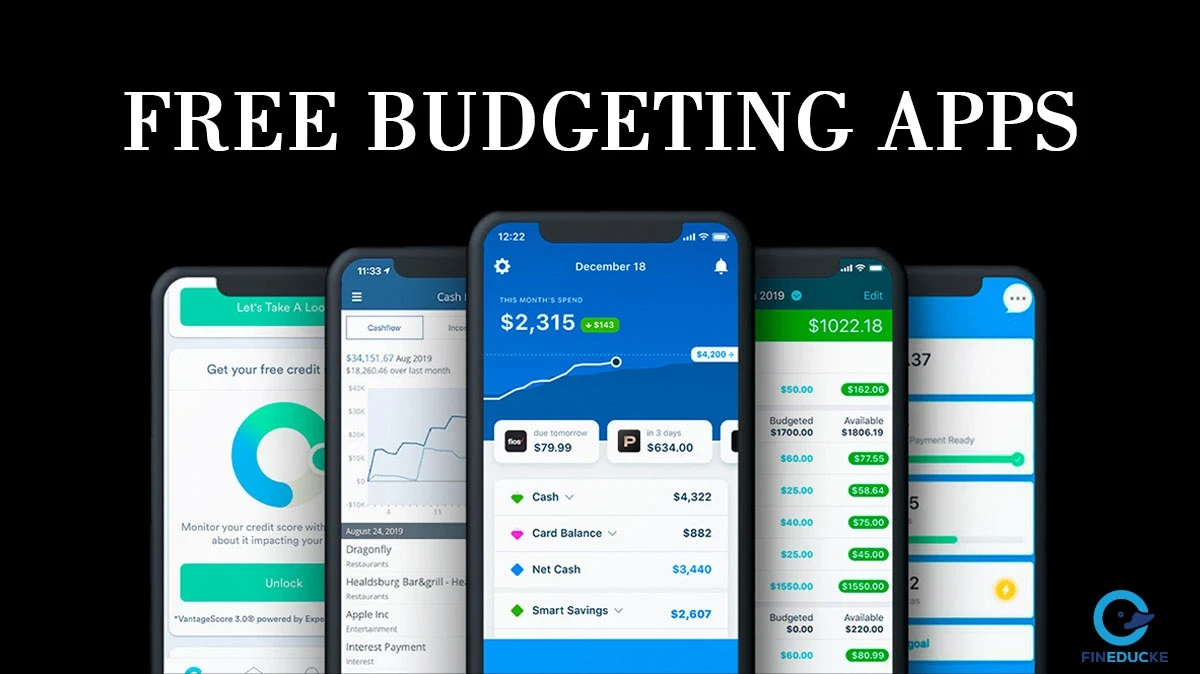
Saving gets easier when you don’t have to think about it. When tech does the work for you, that’s when small habits turn into real progress.
People talk a lot about Qapital, an app built on behavioral hooks that round up purchases or trigger savings based on custom “rules.” It feels a bit like building pocket-sized habits—you set it and almost forget it
Then there are Acorns and Oportun (formerly Digit), which let you round up spare change or automate small transfers—both favorites for forgetful savers.
Reddit users love the simplicity. One comment said:
“Acorns does the round-up feature, it's $1 a month”
Another shared:
“I use Capital One 360 for savings buckets … use the piggy bank app”
Then there’s the idea of “blind” savings—putting away money daily so you don’t even see it, almost like a surprise for your future self .
Many swear by simple automation—move a fixed amount every payday before you see it . Some gamify it with 52‑week challenges or digital “jars” for different goals. These tiny wins, done consistently, build momentum.
Apps like YNAB or Monarch Money force you to give every dollar a job, which many describe as “life-changing” on Reddit. They’re not free—but if clarity matters, they’re worth a try.
N/B: Pick tools that fit your style—whether it’s automation, round-ups, or a gamified piggy bank. The tech is just the container. The real power is in the habit—start small, automate often, and celebrate the progress.
Here’s a mindset shift that changes everything:
Your savings should have names.
Seriously. When your money has a job, it’s less likely to get wasted. And it becomes way easier to stay motivated.
Modern savers don’t just throw all their money into one pot. They break it down into specific, purpose-driven mini-funds. Let’s talk about the most important ones.
This is your financial cushion. Life happens — illness, job loss, unexpected car repairs — and your emergency fund is there to soften the blow.
Rule of thumb? Aim for at least 3 to 6 months of basic expenses. But if that feels overwhelming, start with KES 5,000, then grow it slowly.
Think of this as your “soon-but-not-now” fund. It’s for things you know are coming — birthdays, rent top-ups, school fees, annual subscriptions, December travel.
Instead of panicking when the time comes, you’ll already have the money set aside. Sinking funds keep your budget calm and drama-free.
Yes, this is legit. You’re allowed to enjoy your money.
A fun fund lets you save for guilt-free pleasure — dates, new clothes, a weekend away, concert tickets. It helps you avoid the all-or-nothing trap where you either splurge recklessly or save so hard you hate it.
These are for big dreams: a house deposit, new laptop, side hustle startup costs. Giving each goal its own “container” helps you track progress and stay emotionally connected to why you’re saving.
When you give your savings a name, it becomes personal. And when saving feels personal, it sticks.
So go ahead — name your funds. Turn your money into a tool that works with your life, not against it.
Let’s be real—saving money sounds simple, but when you actually try to do it, things get messy fast. And if you’re just starting out, it’s easy to fall into a few common traps that can slow you down or make you feel like you’re failing.
You can’t save what you can’t see. If you don’t know where your money is going each month, it’s almost impossible to figure out where to cut back or what’s realistic to save. Tracking—even roughly—gives you clarity.
Saving “just to save” is noble, but it rarely sticks. When your savings has no purpose, it’s easy to dip into it. A named goal gives your effort meaning and keeps you motivated when temptation strikes.
If your savings are one tap away from your M-Pesa or debit card, chances are you’ll touch it. Keep your savings in a separate account, a money market fund, or anywhere that creates just enough friction to make you think twice before withdrawing.
It’s tempting to look at someone else’s savings progress and feel behind. But your financial life is yours alone. Focus on progress, not perfection.
Maybe you tried saving and then had to use it. That’s not failure—that’s the whole point. You had the money when you needed it. Start again, even if it’s with less. Keep going.
Saving is a skill. Mistakes are part of the process. Learn, adjust, and keep moving.
Starting is one thing. Sticking with it? That’s where most people struggle.
But saving isn’t about being perfect every month. It’s about building a rhythm you can return to, even after life gets messy. Here’s how to stay on track without burning out.
Set up automatic transfers the moment your income lands. Whether it’s daily, weekly, or monthly—make sure it’s not something you have to think about. Automation removes the decision fatigue. You don’t have to be disciplined if the system does it for you.
Out of sight, out of mind. But when you can see your savings grow, it becomes exciting. Use progress bars, printable trackers, or even a sticky note goal chart on your wall. Watching that line move up? Powerful.
Saving isn’t punishment. If you’ve hit a milestone—no matter how small—celebrate it. Watch a movie, take a day off, enjoy a small treat. Rewards keep you emotionally invested.
Why did you start saving in the first place? A solo trip? Freedom from paycheck stress? Whatever it is, write it down. Put it somewhere you’ll see often. Your “why” will carry you through those moments when saving feels hard or pointless.
Consistency is less about effort, more about systems and mindset. Start small, stay connected to your purpose, and let the habits build the momentum.
Saving and investing get thrown around like they mean the same thing. But they don’t. And knowing the difference can save you from making some costly mistakes.
Saving is all about safety and short-term security. It’s the money you set aside for emergencies, rent, travel, or anything you might need in the near future. It stays in places like bank accounts, money market funds, or SACCOs—where the risk is low and you can access it easily.
Investing, on the other hand, is about growing your money over time. It usually involves more risk, but with the potential for higher returns. Think stocks, real estate, mutual funds, or even crypto (if you know what you’re doing).
If saving is the seatbelt, investing is the gas pedal. One protects you, the other moves you forward.
So, how do you choose?
The biggest mistake people make is either investing before they’ve built an emergency fund, or saving all their money and wondering why it’s not growing fast enough.
The truth is, you need both. They serve different purposes.
Save to stay steady. Invest to build wealth. Knowing when to do each is how you start playing the long game.
At the heart of it, saving money isn’t just about numbers or discipline. It’s about self-respect.
You save because you believe your future self deserves peace. You save because you’re not okay with living in constant stress or reacting to every financial curveball unprepared. You don’t save because you’re scared—you save because you’re smart.
In a world that pushes instant gratification and comparison, choosing to save is a radical act. It means you’re thinking ahead. You’re choosing intention over impulse. And that’s powerful.
Even if you’re starting small—even if it’s just KES 100 a week—it still counts. The amount doesn’t define the value. The habit does.
What matters is that you begin. You don’t need a perfect budget, a high salary, or financial apps with all the bells and whistles. You just need to care enough about yourself to start putting something aside, no matter how tiny.
Because every coin saved is a quiet promise you make to your future self:
I’ve got you.
And that, right there, is self-respect in action.
So start today. Start where you are. Start with what you have. And keep showing up—for you.
I’m Clinton Wamalwa Wanjala, a financial writer and certified financial consultant passionate about empowering the youth with practical financial knowledge. As the founder of Fineducke.com, I provide accessible guidance on personal finance, entrepreneurship, and investment opportunities.































Leave a Comment:
Please log in to leave a comment.
Comments:
No comments yet. Be the first to comment!