Mexico's ultra-wealthy individuals continue to shape the nation's economic and business landscape in 2026. These billionaires aren't just figureheads on wealth rankings—they are active investors, industrialists, and influencers who hold significant stakes in telecommunications, mining, retail, finance, and infrastructure. From founding multinationals to modernizing old family empires, their impact stretches across Latin America and beyond.
According to Forbes' 2026 rankings, Mexico is home to over 20 billionaires, with a combined net worth of more than $150 billion. This financial elite plays a pivotal role in job creation, philanthropy, innovation, and Mexico's position in the global economy. Leading the list once again is telecom magnate Carlos Slim Helú, whose fortune has rebounded amid a strong performance from América Móvil and related holdings.
This article profiles the top 10 richest people in Mexico for 2026, based on data from Forbes, Bloomberg, and other financial databases. Each profile includes details about their wealth, business ventures, and personal histories, giving a clearer view of how Mexico's wealthiest continue to accumulate and diversify their fortunes.
Key Takeaways
- Carlos Slim Helú remains the richest person in Mexico with a net worth of $82.5 billion.
- The top 10 richest Mexicans control wealth across industries including telecom, mining, retail, finance, and chemicals.
- María Asunción Aramburuzabala is the richest woman in Mexico, worth $9.0 billion.
- Grupo México, América Móvil, and Grupo BAL are some of the largest wealth-generating enterprises in the country.
- Most fortunes are family-held and span multiple generations.
Top 10 Richest People in Mexico in 2026
1. Carlos Slim Helú & Family
- · Age: 85
- · Residence: Mexico City, Mexico
- · Source of Wealth / Title: Founder of Grupo Carso and América Móvil
- · Net Worth: $82.5 billion
- · Major Holdings: ~57% stake in América Móvil, Grupo Carso, stakes in The New York Times, infrastructure and energy sectors
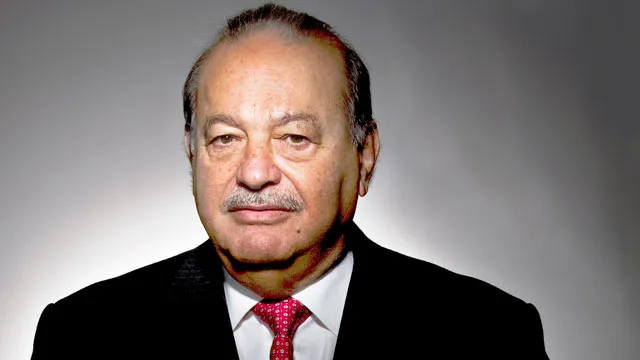
Carlos Slim Helú has long been synonymous with wealth in Mexico. His journey began in the 1960s when he founded a real estate investment company. Over the decades, Slim expanded into telecom by acquiring Telmex during Mexico's privatization wave in the 1990s. That acquisition laid the groundwork for América Móvil, now Latin America's largest mobile telecom provider.
Through Grupo Carso, Slim holds interests in retail, construction, and energy. He also maintains a high-profile stake in The New York Times and continues to expand his infrastructure investments in Latin America and Europe.
Outside of business, Slim is active in philanthropy via the Carlos Slim Foundation, which focuses on education, health, and social development.
2. Germán Larrea Mota Velasco & Family
- · Age: 70
- · Residence: Mexico City, Mexico
- · Source of Wealth / Title: CEO of Grupo México
- · Net Worth: $28.6 billion
- · Major Holdings: Grupo México (mining, railroads, infrastructure)
As the head of Grupo México, Germán Larrea controls one of the largest copper mining operations in the world. The conglomerate also manages freight railroads and infrastructure projects throughout Mexico.
Larrea's fortune surged during the commodities boom of the early 2000s, and he has since diversified into transportation and energy. Known for his low public profile, Larrea rarely gives interviews or appears at public events, preferring to focus on business expansion.
Grupo México’s strong financial performance in recent years, along with global demand for copper, has kept Larrea securely in the top tier of Mexico's richest.
3. María Asunción Aramburuzabala & Family
- · Age: 61
- · Residence: Mexico City, Mexico
- · Source of Wealth / Title: Chair of Tresalia Capital
- · Net Worth: $9.0 billion
- · Major Holdings: Tresalia Capital, former stake in Grupo Modelo
María Asunción Aramburuzabala is Mexico's wealthiest woman and one of Latin America's most prominent female investors. She inherited part of her fortune from Grupo Modelo, the brewer of Corona beer, which was sold to Anheuser-Busch InBev for $20 billion in 2013.
She reinvested her wealth into Tresalia Capital, a private equity firm that funds tech startups, real estate, and industrial ventures across Mexico. Aramburuzabala is also known for her influence on corporate governance and efforts to increase female representation in boardrooms.
Her savvy investments and strategic leadership continue to grow her wealth beyond the Modelo legacy.
4. Alejandro Baillères Gual & Family
- · Age: 62
- · Residence: Mexico City, Mexico
- · Source of Wealth / Title: Chair of Grupo BAL
- · Net Worth: $9.0 billion
- · Major Holdings: Grupo BAL (mining, finance, insurance, retail)
The Baillères fortune originates from Grupo BAL, a family-run conglomerate with diverse holdings. Alejandro Baillères took over the group after the passing of his father, Alberto Baillères, in 2022.
Grupo BAL owns Peñoles, a major mining firm, as well as El Palacio de Hierro (luxury department stores) and Grupo Nacional Provincial, a major insurance provider. Alejandro continues to modernize operations while maintaining a long-term investment philosophy.
The group’s conservative financial strategies and strong legacy businesses keep the Baillères family firmly among the country’s wealthiest.
5. Ricardo Salinas Pliego & Family
- · Age: 69
- · Residence: Mexico City, Mexico
- · Source of Wealth / Title: Chairman of Grupo Salinas
- · Net Worth: $4.9 billion
- · Major Holdings: TV Azteca, Elektra, Banco Azteca
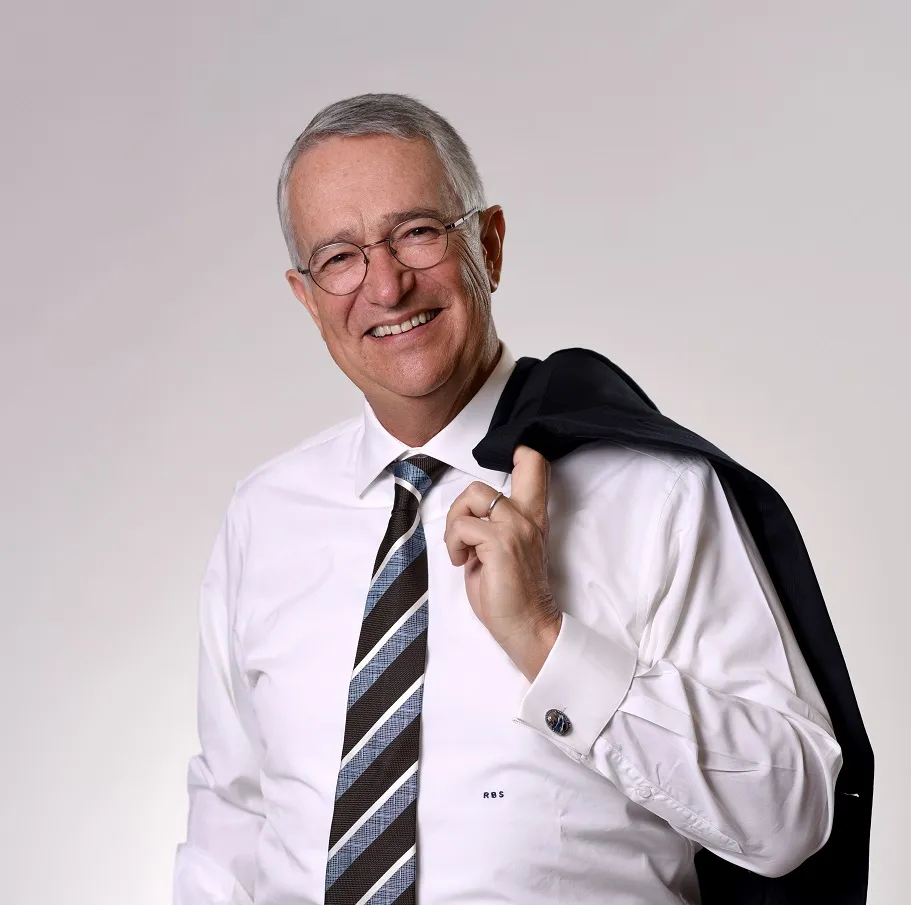
Ricardo Salinas Pliego is a prominent media and retail tycoon, controlling Grupo Salinas, which includes TV Azteca, Elektra, and Banco Azteca. His companies cater to Mexico's growing middle and lower-income segments, offering retail, banking, and broadcasting services.
Salinas is known for his outspoken personality on social media and his active political commentary. Despite recent regulatory pressures, Grupo Salinas remains profitable and highly influential in Mexican public life.
He has also pledged large donations to education and healthcare initiatives via his foundations.
6. Carlos Hank Rhon & Family
- · Age: 76
- · Residence: Mexico City, Mexico
- · Source of Wealth / Title: Founder of Grupo Hermes, major stakeholder in Grupo Banorte
- · Net Worth: $4.0 billion
- · Major Holdings: Grupo Hermes (infrastructure, construction), Grupo Banorte
Carlos Hank Rhon is a banking and infrastructure magnate with deep political and business roots in Mexico. He heads Grupo Hermes, involved in transportation, construction, and energy.
A key part of his fortune stems from his family's significant stake in Grupo Banorte, one of Mexico's largest banks. The Hank family has been influential for decades, and Rhon continues to expand their reach into private equity and energy.
He is also known for philanthropic work through the Fundación Carlos Hank Rhon, which supports education and social development.
7. Antonio del Valle Ruiz & Family
- · Age: 84
- · Residence: Mexico City, Mexico
- · Source of Wealth / Title: Honorary Chairman of Orbia (formerly Mexichem)
- · Net Worth: $2.9 billion
- · Major Holdings: Orbia Advance Corporation (chemicals, infrastructure)
Antonio del Valle Ruiz built his fortune in the chemicals industry. As the honorary chairman of Orbia, formerly Mexichem, he transformed a local firm into a global supplier of specialized products for agriculture, infrastructure, and healthcare.
The del Valle family has stakes in banking and industrial firms, and Antonio remains one of the country’s most respected industrialists. His corporate philosophy emphasizes sustainable growth and innovation.
8. Fernando Chico Pardo
- · Age: 70
- · Residence: Mexico City, Mexico
- · Source of Wealth / Title: Chairman of Grupo Aeroportuario del Sureste (ASUR)
- · Net Worth: $2.8 billion
- · Major Holdings: ASUR (airport operator), infrastructure projects
Fernando Chico Pardo made his fortune in transportation and airport infrastructure. He leads ASUR, which operates several major airports across southeastern Mexico, including Cancún.
A former investment banker, Chico Pardo has expanded into highways, logistics, and public-private partnerships. His strategic investments in travel and tourism infrastructure have paid off handsomely, especially post-COVID as travel rebounds.
9. Rufino Vigil González
- Age: 75
- · Residence: Monterrey, Mexico
- · Source of Wealth / Title: Chairman of Industrias CH
- · Net Worth: $2.6 billion
- · Major Holdings: Industrias CH (steel production), real estate
Rufino Vigil González leads Industrias CH, a major player in Mexico’s steel and industrial manufacturing sector. Known for cost-efficient production and regional exports, his firm supports infrastructure and construction across Latin America.
Vigil has expanded into real estate and renewable energy, seeking long-term value. Though publicity-shy, he is influential in industrial and policy circles.
10. Enrique Coppel Luken & Family
- Age: 78
- Residence: Culiacán, Mexico
- Source of Wealth / Title: Chairman of Grupo Coppel
- Net Worth: $2.0 billion
- Major Holdings: Grupo Coppel (retail, consumer credit)

Enrique Coppel Luken runs Grupo Coppel, a retail and financial services empire serving middle-class Mexicans. The chain offers furniture, electronics, and credit services, especially in underserved regions.
Founded in the 1940s, Coppel has grown into one of Mexico’s largest private employers. Enrique has modernized operations while expanding digital and credit services to reach new markets.
Who is the richest person in Mexico?
Carlos Slim Helú is the richest person in Mexico in 2026, with a net worth of $82.5 billion. He made his fortune in telecommunications through América Móvil and diversified into retail, finance, and infrastructure via Grupo Carso.
Who is the richest woman in Mexico?
María Asunción Aramburuzabala is the richest woman in Mexico, worth $9.0 billion. She chairs Tresalia Capital and inherited her initial wealth from her family’s stake in Grupo Modelo, later reinvesting into diverse sectors.
The Bottom Line
Mexico’s billionaires have played a vital role in shaping the country’s private sector through calculated risk-taking, generational planning, and strong market positioning. Many of these fortunes stem from legacy companies, yet their evolution reflects adaptation to global economic shifts.
While not everyone will build an empire, their stories serve as examples of how business acumen, timing, and innovation can create long-term wealth in any economy.