

















This article takes a closer look at the wealthiest individuals shaping Niger’s economy in 2026. The country's richest does not yet feature on Forbes or Bloomberg’s billionaire indexes.
However, it has a small but powerful group of business and political elites whose financial influence extends across different sectors but mainly energy, mining, construction, and trade.
In this detailed list, we rank the top 10 richest people in Niger based on estimated net worth, business interests, and economic impact. Each profile in this rich list outlines Niger’s richest peoples’ background, how they built their fortune, and the sectors driving their success.
At the top of the list is Mahamadou Issoufou, the former president of Niger. He has a strong foothold in the mining and energy industries which have positioned him as the country’s wealthiest individual.
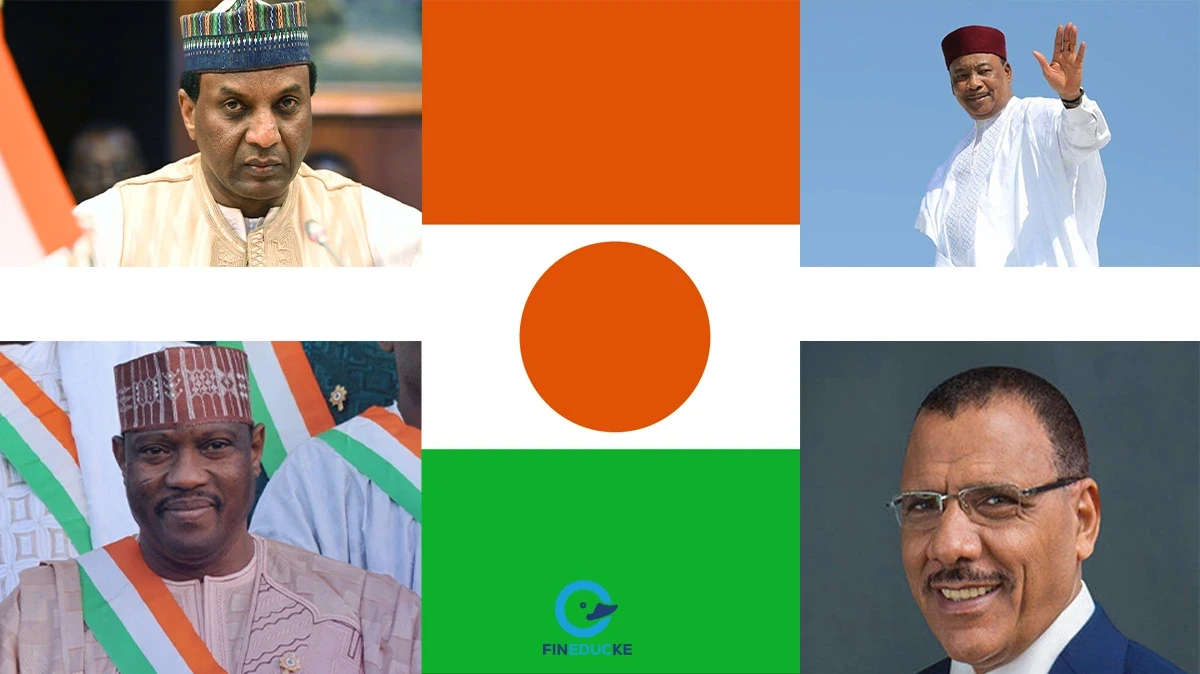
Other wealthy individuals on the list include transitional leader Ali Lamine Zeine, veteran politician Hama Amadou, and mining entrepreneur Ousmane Cissé among others. They all represent a mix of political and business power that defines Niger’s upper economic class.
Key Takeaways
Biography:
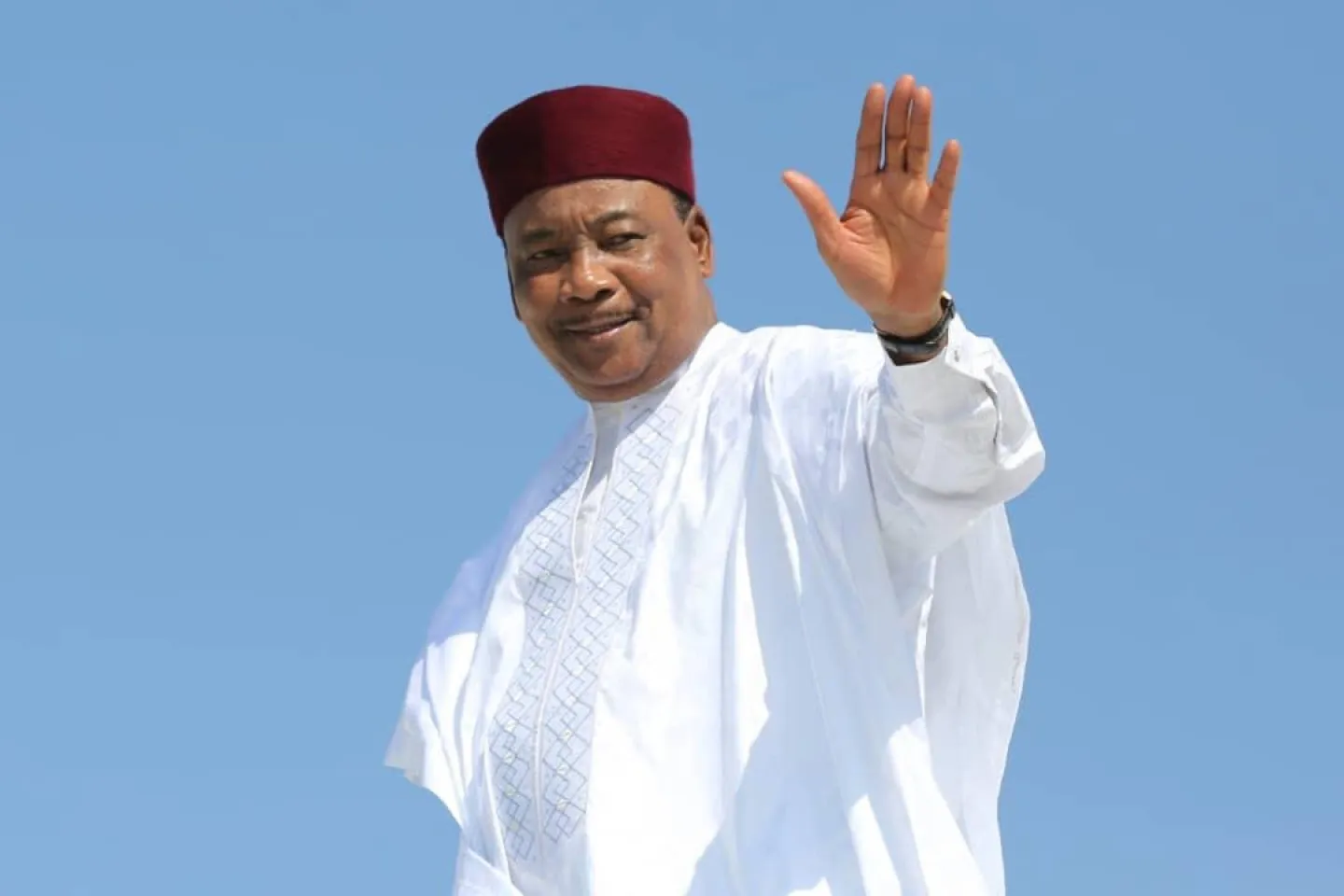
Mahamadou Issoufou is the richest person in Niger. Born on 1 January 1952 in Dandaji town in Tahoua Department.
He served as the country’s president from the year 2011 to 2021 after succeeding Salou Djibo. He is a trained mining engineer, he began his career with the Société des Mines de l’Air (SOMAIR) before joining politics. During his term, he played a central role in shaping Niger’s uranium and energy policy.
Issoufou’s wealth comes mainly from investments in the mining sector, holdings in energy and real estate. Besides Niger, he also has partnerships with foreign investors.
He has also been active in regional economic diplomacy. Often, he advocates for renewable energy development in the Sahel.

Biography:
Ali Lamine Zeine, Niger’s current transitional head of state, is an economist with deep roots in financial governance. Before leading the transitional government following the 2023 coup, Zeine served as Minister of Finance and held a senior position at the African Development Bank (AfDB). His expertise in macroeconomics and public finance has positioned him as one of the country’s most influential policymakers.
Zeine’s wealth comes from decades of international consultancy, high-level financial management, and strategic investments in infrastructure and agriculture. While his exact net worth is undisclosed, his control over key national economic institutions and relationships with multinational partners reflect his significant influence over Niger’s financial landscape.
Biography:
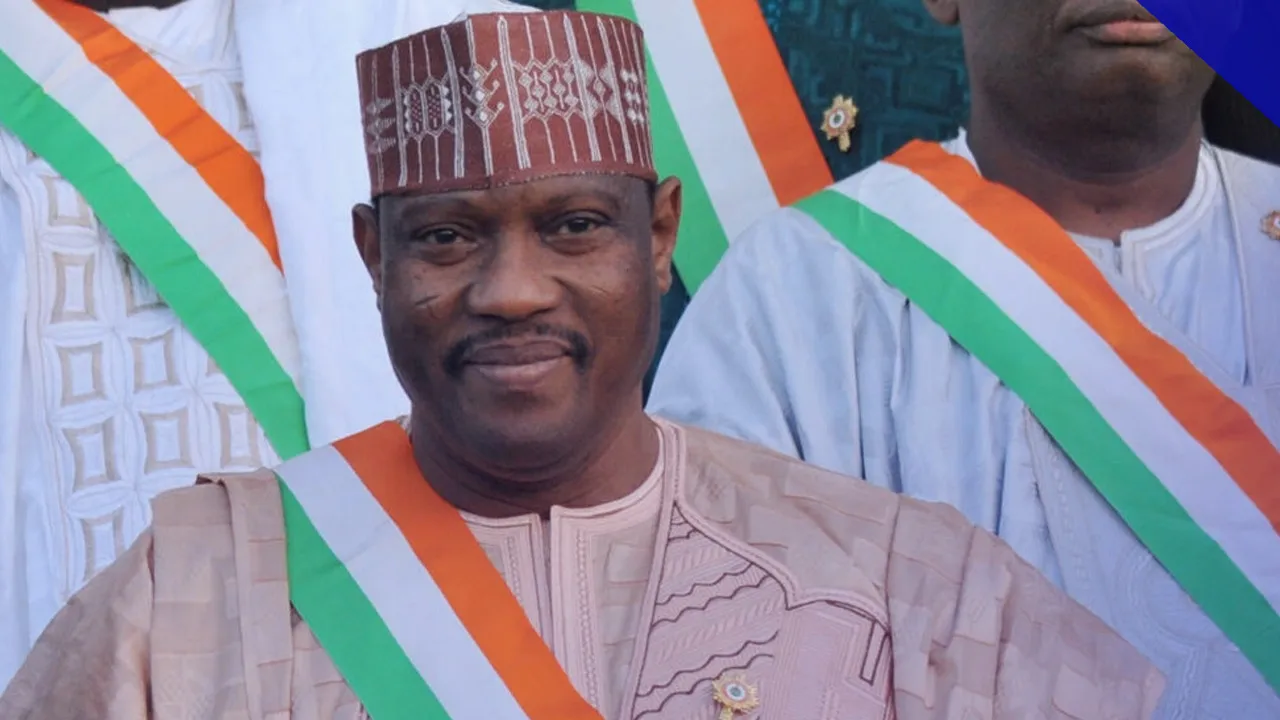
Hama Amadou is one of Niger’s most seasoned political figures, having served as Prime Minister and later President of the National Assembly. Known for his strong political presence and business acumen, Amadou’s wealth was built through a mix of government contracts, private sector investments, and partnerships in the construction and transport industries.
Although his career has included periods of political controversy, Amadou remains a central figure in Nigerien public life. His business portfolio reportedly includes interests in logistics and real estate across Niger and neighboring countries.
Biography:
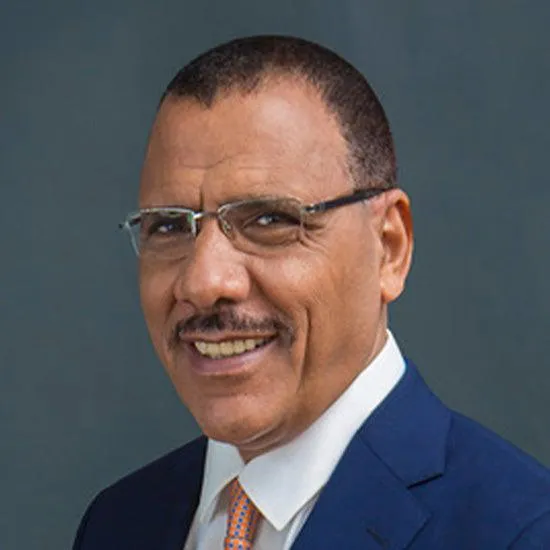
Born in 1960 in the present day Diffa Region, Mohamed Bazoum served as Niger’s 10th president from 2021 until the 2023 military coup. He was known for his progressive stance on education and governance.
A long-time member of the ruling party, Bazoum’s personal fortune derives from landholdings, agribusiness ventures, and commercial properties in Niger and abroad.
Even after his ousting, his assets and political legacy remain influential. His investments in agricultural modernization projects and partnerships with foreign development agencies underline his commitment to economic reform before the coup disrupted his administration.
Biography:
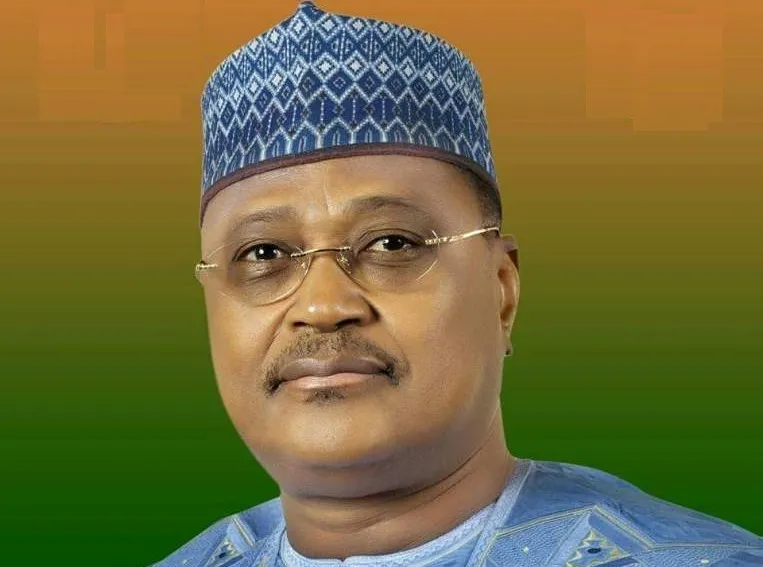
Seini Oumarou has long been an influential figure in both politics and commerce. He was Prime Minister of Niger from June 2007 to September 2009. From 2009 on November, he became the President of the National Assembly of Niger until February 2010.
Oumarou’s wealth majorly come from private enterprises in construction, agriculture, and transport sectors.
His business ventures are closely linked with government infrastructure projects, giving him a steady foothold in Niger’s development economy.
Oumarou’s career exemplifies the tight relationship between politics and business in Niger, where former leaders often convert political capital into long-term financial stability.
Biography:
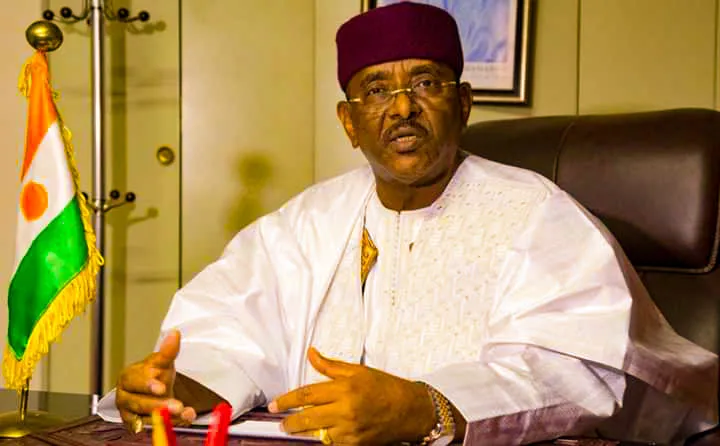
Albadé Abouba is recognized for his leadership in the transport and security sectors. Since 2009, he has been the Secretary-General of the National Movement for the Development of Society (MNSD-Nassara). He was a key associate of President Tandja.
Abouba currently operates in private business where he controls a network of logistics and transport companies serving the Sahel region. His companies play a crucial role in domestic goods movement and cross-border trade.
He is also known for investing in security and communication systems, vital industries in a country challenged by instability and infrastructure gaps.
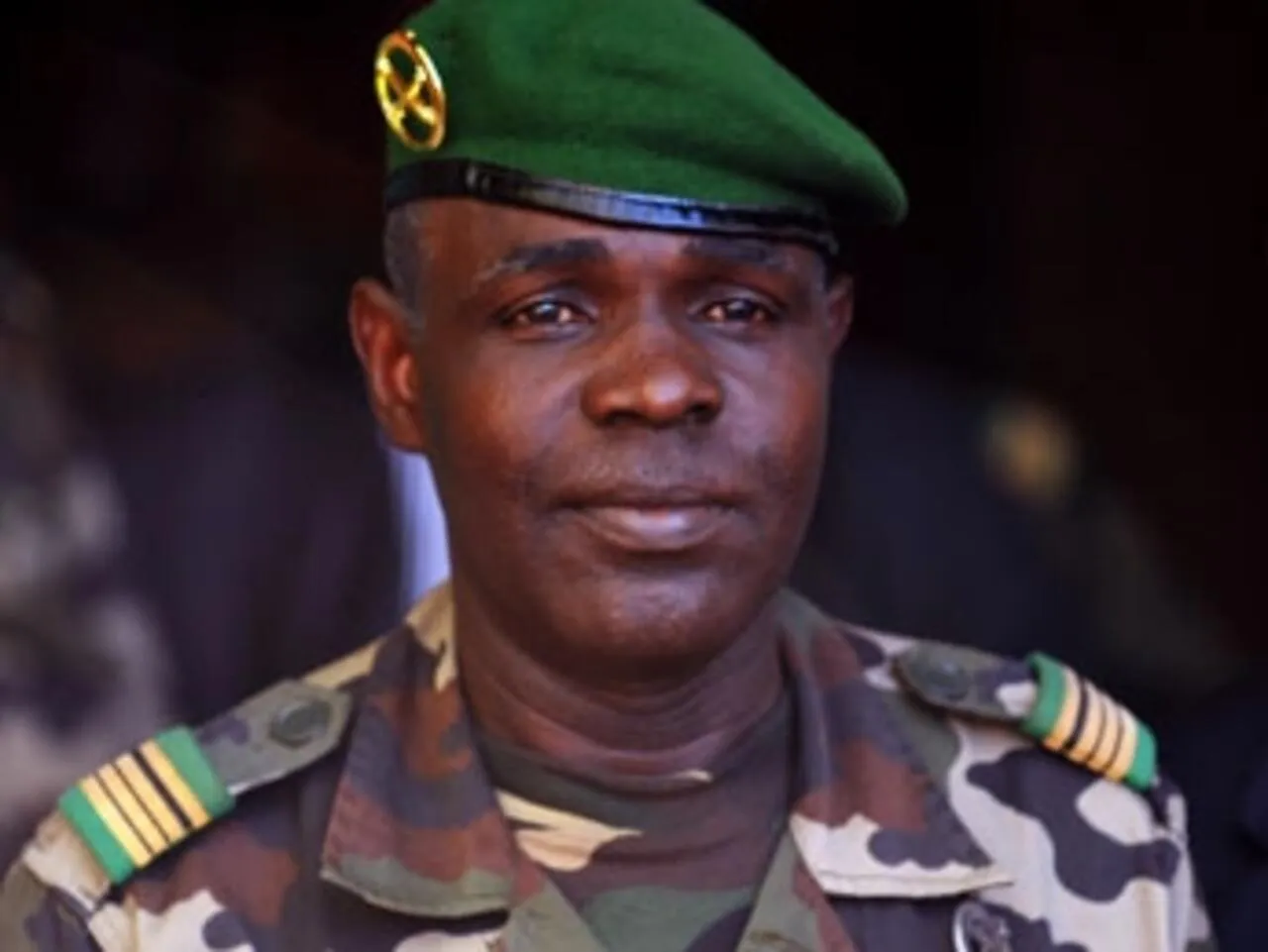
Biography:
Salou Djibo led Niger’s transitional government in 2010–2011 before handing over power to Mahamadou Issoufou. Following his exit from military politics, Djibo turned to business, channeling investments into large-scale agriculture and property development.
His background in the armed forces and governance allowed him to maintain ties to Niger’s defense sector, where he reportedly consults on logistics and infrastructure projects. Djibo’s wealth reflects both his strategic influence and his ability to pivot successfully into the private sector.
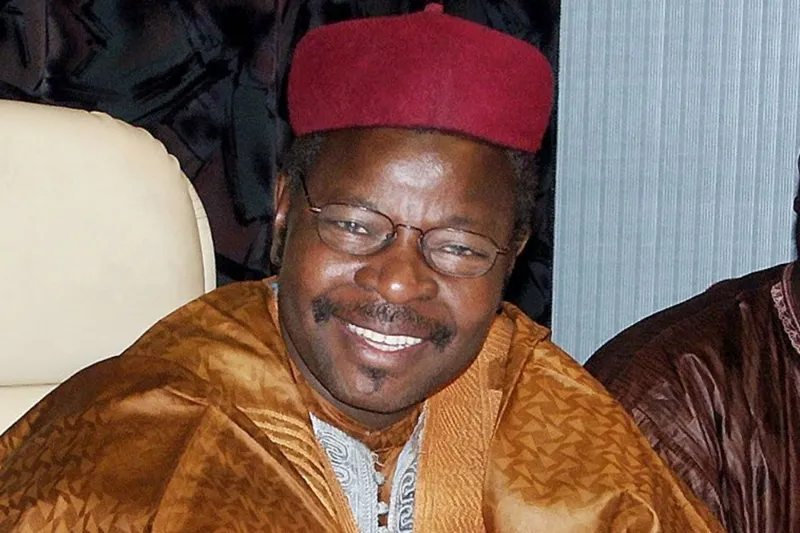
Biography:
Mahamane Ousmane was Niger’s first democratically elected president in 1993. After leaving office, he built a career in academia and business, focusing on real estate and educational initiatives. Ousmane is known for founding private institutions that promote leadership and civic education.
Although his wealth is modest compared to other elites, Ousmane’s influence is enduring. His investments in education and development projects continue to shape Niger’s human capital growth.
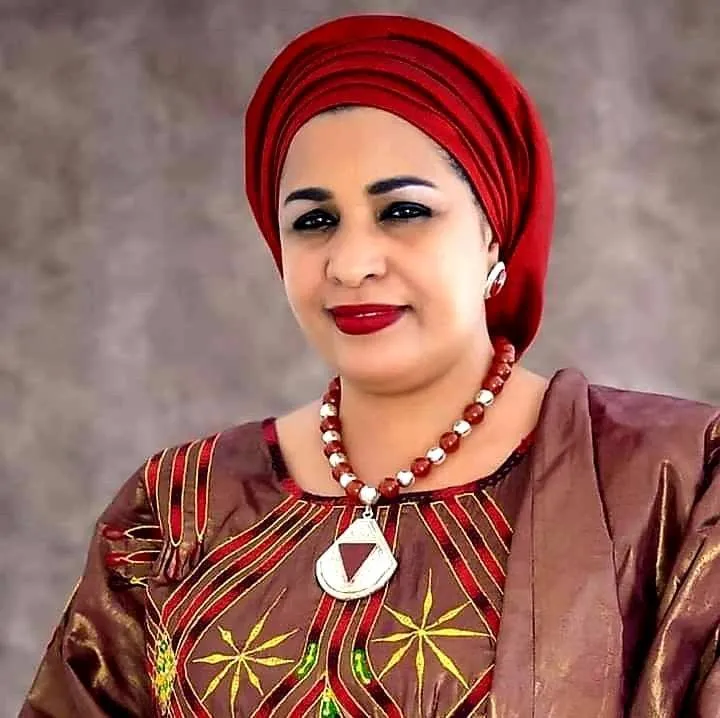
Biography:
Lalla Malika Issoufou is medical doctor and patron of many charities. She is the richest woman in Niger and one of most prominent women entrepreneurs and philanthropists in the country.
Malika is the wife of former president Mahamadou Issoufou. She has founded several initiatives focused on education, women’s health, and child welfare.
Her personal fortune comes from family assets and independent ventures in education and wellness sectors. Malika has become a symbolic figure for female empowerment in Niger, championing literacy and healthcare programs in rural communities.
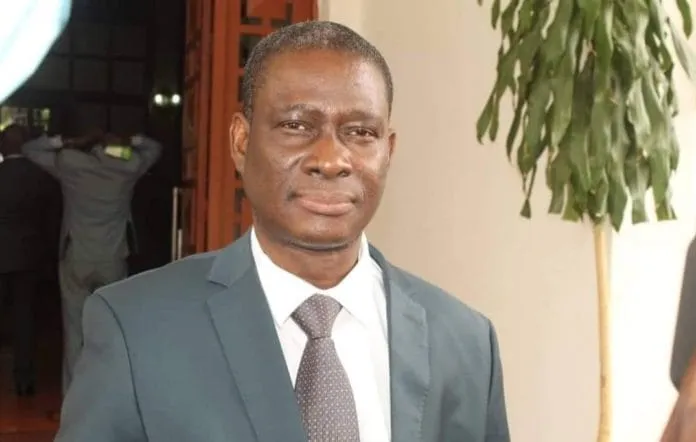
Biography:
Ousmane Cissé made his mark in Niger’s lucrative but volatile uranium industry. Operating from Arlit, a mining hub in northern Niger, Cissé manages firms involved in mineral extraction and export logistics. His companies work with international partners in the mining sector, a cornerstone of Niger’s economy.
Cissé’s rise represents a new generation of private entrepreneurs shaping the future of the mining industry beyond government control.
The richest person in Niger in 2026 is Mahamadou Issoufou. He is is former president of the country. Issoufou’s net worth is estimated to be around $150 million to $250 million. Most of his wealth is tied to investments in energy, uranium mining, and real estate. It’s presumed that His background as a mining engineer and his decade in office gave him access to high-value infrastructure and resource projects thus making him Niger’s wealthiest and most influential individual.
Malika Issoufou is recognized as the richest woman in Niger with an estimated net worth between $5 million and $15 million. Her wealth originates from entrepreneurship and philanthropic foundations in education and health. She continues to play a key role in social development initiatives, representing a rare example of female leadership in Niger’s elite economic circles.
While Niger’s wealthy class remains small and closely tied to politics, the neighboring country Nigeria presents a contrasting story . In Nigeria, private-sector-driven fortunes dominate. The table below highlights how the two countries differ in economic scale, key industries, and the concentration of wealth.
|
Category |
Niger |
Nigeria |
|
Population
(2026 estimate) |
~29.1
million |
~237.5
million |
|
GDP
(Nominal, 2026 estimate) |
≈ US$21.87
billion |
≈ US$188.27
billion |
|
GDP
per Capita (Nominal) |
~US$751
|
~US$1,646
(projection) |
|
Number
of Billionaires (Forbes/Global) |
No
confirmed data (likely 0) |
Several
billionaires reported (exact number varies) |
|
Top
Industry of Wealth |
Mining
(uranium), energy, trade |
Oil
& gas, telecoms, manufacturing |
|
Currency |
West
African CFA franc (XOF) |
Nigerian
Naira (NGN) |
|
Main
Export Products |
Uranium,
gold, livestock |
Crude
oil, natural gas, agricultural goods |
|
Economic
Classification |
Low-income,
developing country |
Lower-middle
income / emerging economy |
|
Primary
Source of Elite Wealth |
Political/business
overlaps, mining |
Diversified
private sector, industrial & service sectors |
The wealthiest individuals in Niger are not listed on global billionaire indexes, however, their influence is deeply woven into the nation’s economic and political framework.
As seen from the list above, most of the richest people in Niger built their fortunes through a blend of public service, strategic investments, and control of essential industries like mining, construction, and transport.
Their stories reveal a broader truth about wealth in emerging economies: influence, persistence, and timing can be as valuable as innovation. As Niger continues to modernize and attract foreign investment, the next generation of entrepreneurs may redefine what it means to be wealthy in one of Africa’s most resource-rich yet underdeveloped nations.
If you are interested in checking the net worth of other African countries, start by reading this rich list article on the Top 10 Richest people in Nigeria in 2025. From Aliko Mohammad Dangote to Mohammed Indimi, find out these business magnets grew their wealth to rank among the wealthiest people in Africa.
I am Eddah, a professional blogger specializing in wealth analysis and financial insights. As a contributor to Fineducke.com, I explore the world’s richest individuals, their net worth, and financial moves shaping economies. With a keen eye for detail, I turn complex data into engaging, easy-to-read content that informs and inspires

























Leave a Comment:
Please log in to leave a comment.
Comments:
No comments yet. Be the first to comment!