













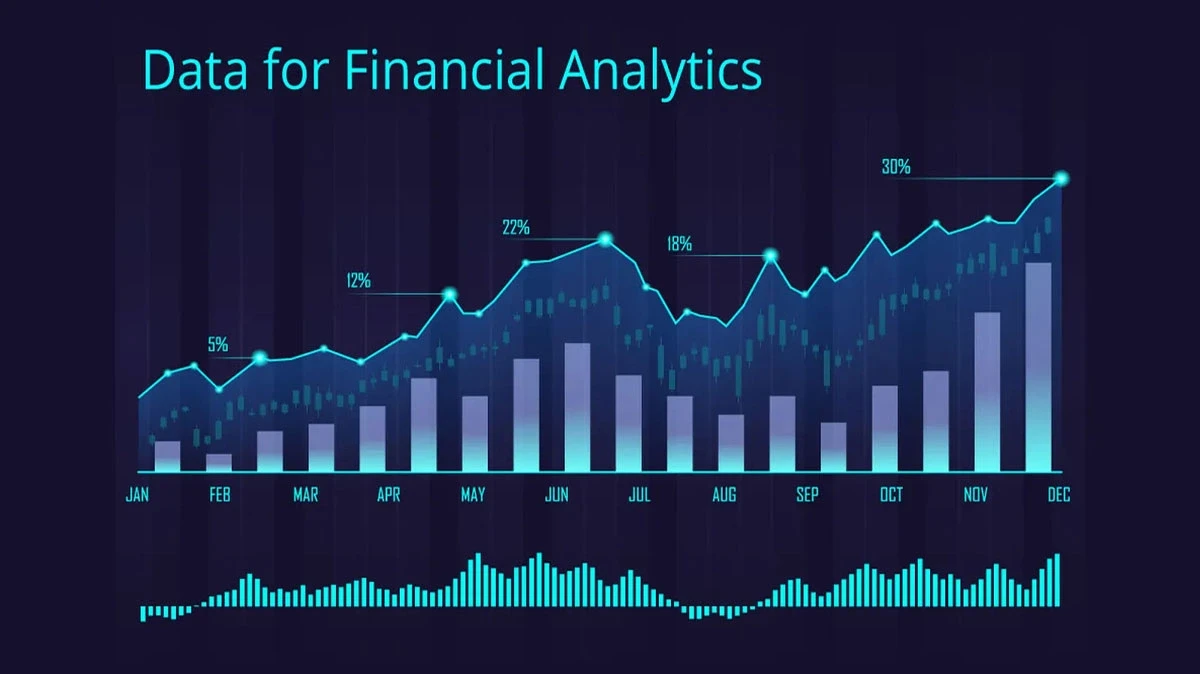






In this chapter, we will explore the foundational elements of currency trading, which are essential for understanding how the Forex market operates. A solid grasp of these fundamentals will equip you with the knowledge needed to make informed trading decisions.
We'll begin by looking at currency pairs and exchange rates, the basic building blocks of Forex trading. Understanding how these pairs work and how exchange rates are determined is crucial for any trader.
Next, we'll delve into the different types of currency pairs: major, minor, and exotic. Each category has its own characteristics and plays a unique role in the market.
We'll also examine the factors that influence exchange rates, including economic indicators, central bank policies, geopolitical events, and market sentiment. Recognizing these factors and their impact on currency values will help you anticipate market movements and develop effective trading strategies.
Additionally, we'll cover how to read Forex quotes and charts. This includes understanding the bid-ask spread, identifying candlestick patterns, and recognizing support and resistance levels. These tools and techniques are vital for analyzing market trends and making sound trading decisions.
By the end of this chapter, you'll have a comprehensive understanding of the core principles that drive the Forex market, setting a strong foundation for your trading journey.
Next read: Chapter 3: Beginner's Guide to Technical Analysis in Forex Trading
In the Forex market, currencies are always traded in pairs. This is because when you buy one currency, you are simultaneously selling another. The two currencies involved in a trade are referred to as a currency pair.
1. Currency Pairs
A currency pair consists of two currencies: the base currency and the quote currency. The base currency is the first currency listed in the pair, while the quote currency is the second. For example, in the currency pair EUR/USD, the euro (EUR) is the base currency, and the US dollar (USD) is the quote currency.
When trading a currency pair, you are essentially betting on the value of the base currency relative to the quote currency. If you buy the EUR/USD pair, you are speculating that the euro will increase in value against the dollar. Conversely, if you sell the EUR/USD pair, you are speculating that the euro will decrease in value against the dollar.
2. Exchange Rates
The exchange rate is the price at which one currency can be exchanged for another. It indicates how much of the quote currency is needed to purchase one unit of the base currency. For instance, if the EUR/USD exchange rate is 1.20, it means that 1 euro is equal to 1.20 US dollars.
Exchange rates are constantly fluctuating due to various factors, including economic data releases, central bank policies, and geopolitical events. Traders monitor these changes closely to determine the best times to buy or sell currency pairs.
3. How to Read Exchange Rates
Understanding how to read exchange rates is crucial for Forex trading. Let's break down the key components:
4. Types of Currency Pairs
Currency pairs are generally classified into three categories:
Understanding currency pairs and exchange rates is fundamental to Forex trading. By knowing how to read and interpret these elements, you can better anticipate market movements and make more informed trading decisions. In the next section, we will explore the different categories of currency pairs in greater detail.
B. Major, Minor, and Exotic Currency Pairs
In Forex trading, currency pairs are categorized into three main groups based on their trading volume, liquidity, and global economic significance: major, minor (or cross), and exotic currency pairs.
1. Major Currency Pairs
Major currency pairs are the most traded pairs in the Forex market and involve the world's strongest economies. They include:
2. Minor (Cross) Currency Pairs
Minor currency pairs, also known as cross currency pairs, do not include the US dollar but consist of other major currencies. Some examples include:
3. Exotic Currency Pairs
Exotic currency pairs involve one major currency and one currency from a smaller or emerging economy. These pairs tend to have lower liquidity and higher spreads compared to major and minor pairs. Examples include:
Understanding the categories of currency pairs is essential for Forex traders to choose the most suitable pairs for their trading strategies. Major pairs offer high liquidity and tighter spreads, making them popular among traders. Minor and exotic pairs provide opportunities for diversification but require careful consideration due to their lower liquidity and higher volatility. In the next section, we will explore the factors that influence exchange rates, affecting the value of these currency pairs in the Forex market.
C. Factors Influencing Exchange Rates
Exchange rates in the Forex market are influenced by a variety of factors, ranging from economic indicators to geopolitical events. Understanding these factors is crucial for predicting currency movements and making informed trading decisions.
1. Economic Indicators
Economic indicators are statistical reports released by governments and organizations that provide insights into a country's economic performance. Key economic indicators that impact exchange rates include:
2. Central Bank Policies
Central banks play a crucial role in influencing exchange rates through monetary policy decisions. Key factors include:
3. Geopolitical Events
Geopolitical events, such as political instability, elections, wars, and trade conflicts, can cause volatility in currency markets. Factors include:
4. Market Sentiment
Market sentiment refers to the overall attitude of traders and investors towards a currency pair or the market as a whole. Factors influencing market sentiment include:
Understanding these factors and their interplay is essential for Forex traders to analyze market trends, anticipate currency movements, and mitigate risks. In the next section, we will explore how to interpret Forex quotes and charts, providing practical tools for technical analysis and decision-making in the Forex market.
D. Reading Forex Quotes and Charts
To effectively navigate the Forex market, traders must understand how to interpret Forex quotes and charts. These tools provide valuable insights into price movements and market trends, aiding in decision-making and strategy development.
1. Bid-Ask Spread
The bid-ask spread is the difference between the highest price that a buyer is willing to pay (bid price) and the lowest price that a seller is willing to accept (ask price) for a currency pair at any given time. Key points to consider include:
2. Candlestick Patterns
Candlestick charts are widely used in Forex trading for their ability to visually represent price movements over specific time periods. Each candlestick provides information about the open, high, low, and close prices during the chosen time frame. Key aspects of candlestick patterns include:
3. Support and Resistance Levels
Support and resistance levels are key concepts in technical analysis that help traders identify potential price barriers and trends within a currency pair's price movements. Key considerations include:
Understanding how to interpret Forex quotes and charts, including the bid-ask spread, candlestick patterns, and support/resistance levels, empowers traders to make informed decisions and capitalize on market opportunities. In the next section, we will delve deeper into technical analysis techniques and strategies for successful Forex trading.
I’m Clinton Wamalwa Wanjala, a financial writer and certified financial consultant passionate about empowering the youth with practical financial knowledge. As the founder of Fineducke.com, I provide accessible guidance on personal finance, entrepreneurship, and investment opportunities.


































Leave a Comment:
Please log in to leave a comment.
Comments:
No comments yet. Be the first to comment!